




Popular
What are the key battles highlighted in the series and how do they impact the characters involved?
How does the series depict the experiences of civilians during the war?
What role do key historical figures play in the narrative, and how are they portrayed?
How does the series explore the theme of camaraderie among soldiers?
What are the personal stories of soldiers that the series focuses on, and how do they evolve throughout the war?
Should I watch it?
Ask Your Own Question

What is the plot?
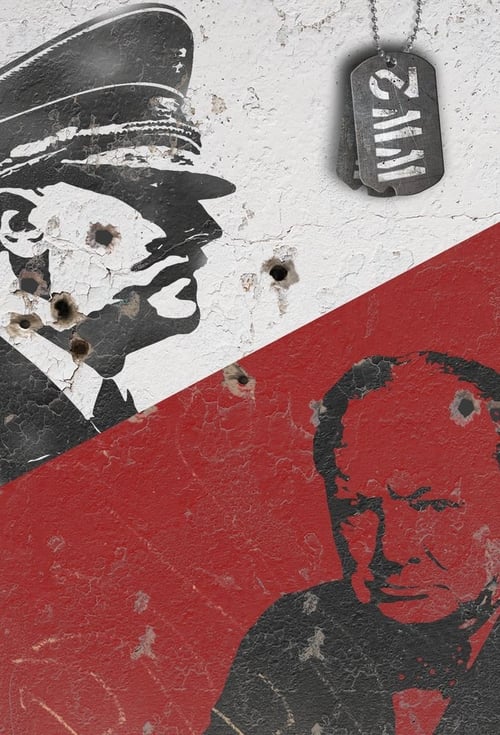
"World War Two" (2018) is a documentary series that chronicles the events of World War II through a combination of archival footage, expert interviews, and personal accounts. The series is structured chronologically, beginning with the rise of fascism in Europe and concluding with the aftermath of the war.
The series opens with the aftermath of World War I, highlighting the Treaty of Versailles and the economic turmoil that followed. It sets the stage for the rise of Adolf Hitler and the Nazi Party in Germany. The first episode details Hitler's ascension to power in the early 1930s, showcasing his charismatic speeches and the propaganda that fueled his popularity. The episode emphasizes the political instability in Germany and the public's disillusionment with the Weimar Republic.
As the narrative progresses, the series depicts the remilitarization of the Rhineland in 1936, where Hitler defies the Treaty of Versailles. The episode captures the tension in Europe as other nations, particularly France and Britain, choose to appease Hitler rather than confront him. This decision is portrayed as a critical miscalculation that emboldens the Nazi regime.
The series then transitions to the invasion of Poland in September 1939, marking the official start of World War II. The episode illustrates the swift and brutal tactics of the German Blitzkrieg, showcasing the chaos and destruction faced by Polish civilians. Eyewitness accounts and footage reveal the harrowing experiences of those caught in the conflict.
Following the fall of Poland, the series covers the Phoney War period, where little military action occurs on the Western Front. However, it highlights the strategic preparations being made by both the Allies and Axis powers. The episode emphasizes the growing tension as Germany invades Denmark and Norway in April 1940, demonstrating the effectiveness of German military strategy.
The narrative then shifts to the rapid conquest of France in May 1940. The series details the German invasion through the Ardennes, the encirclement of Allied forces at Dunkirk, and the subsequent evacuation of British and French troops. The emotional weight of the Dunkirk evacuation is captured through personal stories of soldiers and civilians who participated in the rescue efforts.
As France falls, the series explores the Battle of Britain, showcasing the aerial combat between the Royal Air Force and the Luftwaffe. The episode highlights key moments, such as the bombing of London and the resilience of the British people. It emphasizes Winston Churchill's leadership and the determination of the British to resist Nazi aggression.
The focus then shifts to the Eastern Front, detailing Operation Barbarossa, the German invasion of the Soviet Union in June 1941. The series portrays the initial successes of the German army, the brutal conditions faced by Soviet soldiers, and the suffering of civilians caught in the conflict. The harsh winter and the Soviet counteroffensive at Stalingrad are depicted as turning points in the war.
The series continues with the events leading to the United States' entry into the war after the attack on Pearl Harbor in December 1941. It captures the shock and anger felt by the American public and the subsequent mobilization of the U.S. military. The narrative details the early battles in the Pacific, including the Battle of Midway, which shifts the balance of power in favor of the Allies.
As the war progresses, the series covers the North African Campaign, highlighting the battles between British and German forces. The series illustrates the significance of the Battle of El Alamein and the eventual Allied victory in North Africa, setting the stage for the invasion of Italy.
The narrative then shifts to the D-Day landings on June 6, 1944. The series provides a detailed account of the planning and execution of Operation Overlord, showcasing the bravery of Allied soldiers as they storm the beaches of Normandy. Eyewitness accounts and archival footage convey the chaos and heroism of the day.
Following the success of D-Day, the series explores the liberation of France and the push into Germany. It highlights key battles, such as the Battle of the Bulge, and the eventual capture of Berlin in May 1945. The emotional toll of the war is depicted through the experiences of soldiers and civilians alike.
The series concludes with the aftermath of the war, detailing the devastation in Europe, the Nuremberg Trials, and the establishment of the United Nations. It reflects on the long-term consequences of the war and the lessons learned, emphasizing the importance of remembering the sacrifices made during this tumultuous period in history.









What is the ending?
The ending of the TV show "World War Two," produced in 2018, culminates in a series of poignant moments that reflect the aftermath of the war. The series concludes with the Allied forces celebrating their victory, but the emotional toll of the conflict weighs heavily on the characters. Key figures grapple with their experiences, and the world begins to rebuild, albeit with scars that will take time to heal.
As the final episodes unfold, the narrative shifts to the immediate aftermath of the war. The camera captures the devastation across Europe, with cities in ruins and the somber faces of survivors. The Allied leaders convene to discuss the future of Europe, emphasizing the need for unity and rebuilding.
In a significant scene, we see soldiers returning home, their expressions a mix of relief and trauma. Among them is a character who has lost friends in battle, and as he steps off the transport, he is met with a bittersweet welcome from his family. The joy of reunion is overshadowed by the memories of loss, highlighting the emotional scars left by the war.
Another key character, a nurse who served on the front lines, reflects on her experiences as she tends to the wounded. She is seen in a makeshift hospital, her hands steady but her eyes revealing the weight of what she has witnessed. Her journey of healing begins as she finds solace in helping others, yet the memories of the war linger.
The series closes with a montage of rebuilding efforts across Europe. We see people clearing rubble, children playing in the streets, and communities coming together to forge a new beginning. The final shot lingers on a memorial, honoring those who sacrificed their lives, a reminder of the cost of war and the hope for peace.
In summary, the ending of "World War Two" encapsulates the complex emotions of victory and loss, emphasizing the resilience of the human spirit in the face of adversity.
As the final episodes of "World War Two" unfold, the narrative begins with a somber tone, reflecting the aftermath of the war. The camera pans over the devastated landscapes of Europe, where once-thriving cities now lie in ruins. The air is thick with dust and the echoes of conflict, a stark reminder of the battles fought and lives lost.
Scene by scene, we witness the Allied forces celebrating their hard-won victory. The atmosphere is charged with a mix of relief and sorrow. Soldiers, weary from the long fight, gather in makeshift camps, their faces etched with fatigue and the haunting memories of their comrades who did not return. Among them is a young soldier, his eyes reflecting a deep sense of loss as he clutches a photograph of a fallen friend. The camaraderie among the men is palpable, yet the weight of grief hangs heavily in the air.
In a poignant moment, the camera shifts to a gathering of Allied leaders. They convene in a war room, the walls adorned with maps and battle plans. The tension is palpable as they discuss the future of Europe, emphasizing the need for unity and cooperation to prevent such devastation from occurring again. Each leader's expression reveals their internal struggles; they are aware of the monumental task ahead and the fragile peace they must forge.
The narrative then transitions to the homecoming of soldiers. A transport ship arrives at a bustling port, and families eagerly await their loved ones. The scene is filled with a cacophony of emotions--joy, relief, and an undercurrent of sorrow. As the young soldier steps off the ship, he is met by his family, their faces lighting up with joy. Yet, as they embrace, his eyes betray the turmoil within him. He is home, but the war has changed him irrevocably.
Next, we follow a nurse who served on the front lines. The camera captures her in a makeshift hospital, tending to the wounded. Her hands move with precision, but her eyes reveal the emotional toll of her experiences. She pauses for a moment, staring out a window at the chaos outside, reflecting on the lives she has tried to save and the ones she could not. In a moment of vulnerability, she confides in a fellow nurse, sharing her fears and the haunting memories that replay in her mind. This scene highlights her resilience and the healing journey she must undertake.
As the series progresses, we see the efforts to rebuild. The camera captures scenes of people clearing rubble, children playing in the streets, and communities coming together to forge a new beginning. The atmosphere shifts from despair to hope, as individuals work side by side, united in their determination to restore their lives and their cities.
The final moments of the series focus on a memorial being erected in honor of those who sacrificed their lives during the war. The camera lingers on the faces of the survivors as they gather to pay their respects. Each character reflects on their journey, the losses they have endured, and the hope they carry for the future. The memorial stands as a testament to the resilience of the human spirit, a reminder of the cost of war and the enduring quest for peace.
In the closing shot, the camera pulls back to reveal the memorial against the backdrop of a sunset, symbolizing the end of one chapter and the beginning of another. The series concludes with a powerful message about the importance of remembrance, healing, and the collective effort to build a better world. Each character's fate is intertwined with the larger narrative of recovery and resilience, leaving viewers with a sense of hope amidst the scars of war.
Is there a post-credit scene?
The TV show "World War Two," produced in 2018, does not feature a post-credit scene. The series concludes its narrative with a powerful and reflective final episode that encapsulates the emotional and historical weight of the events depicted throughout the series. The focus remains on the stories of individuals and the broader implications of the war, leaving viewers with a sense of closure rather than additional scenes after the credits. The final moments emphasize the sacrifices made and the lessons learned, resonating deeply with the audience as the credits roll.
What are the key battles highlighted in the series and how do they impact the characters involved?
The series meticulously details several key battles, including the Battle of Britain, the Battle of Stalingrad, and the D-Day landings. Each battle is portrayed with intense visual detail, showcasing the chaos and bravery of soldiers. For instance, during the Battle of Stalingrad, the emotional toll on soldiers is palpable as they face the brutal winter and relentless enemy attacks, leading to moments of despair and heroism that shape their character arcs.
How does the series depict the experiences of civilians during the war?
The series poignantly illustrates the impact of war on civilians, particularly in episodes focusing on the Blitz in London. Viewers witness families huddled in bomb shelters, their faces etched with fear and uncertainty. The emotional weight of loss is felt deeply as characters grapple with the destruction of their homes and the loss of loved ones, showcasing their resilience and the human spirit amidst adversity.
What role do key historical figures play in the narrative, and how are they portrayed?
Key historical figures such as Winston Churchill and Adolf Hitler are portrayed with a focus on their motivations and decisions. Churchill's speeches are depicted with fervor, capturing his determination and the weight of leadership during dark times. In contrast, Hitler's character is shown as increasingly paranoid and erratic, reflecting the internal struggles of a dictator losing control, which adds depth to the political landscape of the series.
How does the series explore the theme of camaraderie among soldiers?
Camaraderie is a central theme, particularly illustrated through the relationships formed in the trenches and on the battlefield. Scenes of soldiers sharing rations, laughing amidst the chaos, and supporting each other during moments of crisis highlight their bonds. The emotional stakes rise as characters face loss, with their friendships becoming a source of strength, showcasing the profound impact of shared experiences in wartime.
What are the personal stories of soldiers that the series focuses on, and how do they evolve throughout the war?
The series delves into the personal stories of several soldiers, such as a young recruit grappling with fear and a seasoned veteran haunted by past battles. As the war progresses, viewers witness their transformations; the recruit grows into a courageous leader, while the veteran confronts his trauma. These character arcs are rich with emotional depth, illustrating the psychological toll of war and the journey towards resilience.
Is this family friendly?
The 2018 series "World War Two" is a documentary-style portrayal of the events and experiences during the Second World War. While it aims to educate viewers about historical events, it contains several elements that may be considered objectionable or upsetting for children or sensitive individuals.
-
Graphic War Footage: The series includes actual footage from the war, which may depict violence, destruction, and the aftermath of battles, potentially distressing for younger viewers.
-
Depictions of Suffering: There are scenes that illustrate the suffering of soldiers and civilians, including injuries and the impact of war on families, which can evoke strong emotional responses.
-
Holocaust References: The series addresses the Holocaust and the atrocities committed during this time, including images and discussions that may be difficult for some viewers to process.
-
Themes of Loss and Grief: The emotional weight of loss, both personal and collective, is a recurring theme, showcasing the impact of war on individuals and communities.
-
Discussions of War Crimes: The series touches on war crimes and moral dilemmas faced during the conflict, which may be complex and challenging topics for younger audiences to understand.
Overall, while the series serves as an important historical account, its content may not be suitable for all viewers, particularly children or those sensitive to graphic depictions of war and its consequences.









