



Popular
What are some of the most shocking moments captured on Court Cam?
Can you describe a specific case that was highlighted in Court Cam and its outcome?
What role do the judges play in the dramatic moments shown on Court Cam?
How do the defendants' emotional states affect their behavior in the courtroom as shown in Court Cam?
What are some examples of courtroom security measures depicted in Court Cam?
Should I watch it?
Ask Your Own Question

What is the plot?
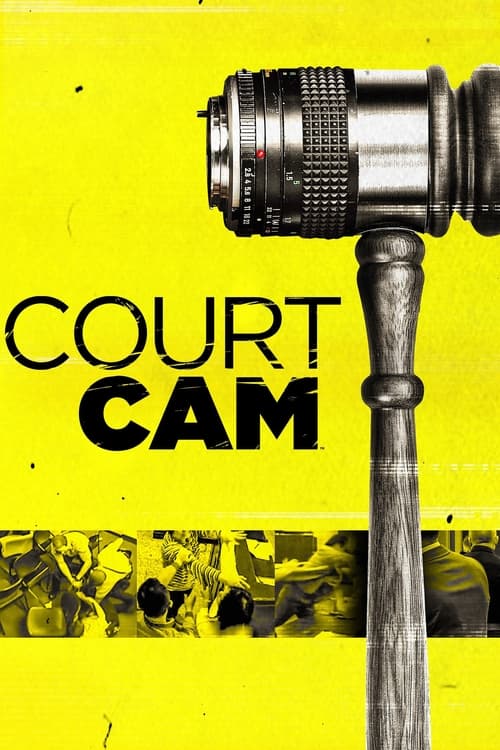
Court Cam is an anthology series that showcases real-life courtroom footage, highlighting dramatic moments that occur during trials and hearings. Each episode features various cases, and the events unfold in a non-linear fashion, focusing on different stories in each segment.
In one segment, a defendant is seen in a courtroom for a sentencing hearing after being convicted of robbery. As the judge reads the sentence, the defendant becomes increasingly agitated. He suddenly stands up, shouting at the judge, expressing his anger over the verdict. Security personnel quickly move in to restrain him, but he manages to break free momentarily, causing chaos in the courtroom. The camera captures the panic on the faces of the spectators as they duck for cover. Eventually, the security team regains control, and the defendant is subdued and escorted out, still yelling.
In another case, a woman is on trial for assault. The courtroom is tense as the prosecution presents evidence, including video footage of the incident. The woman's defense attorney argues that she acted in self-defense. As the jury deliberates, the woman appears anxious, fidgeting in her seat. When the verdict is announced, she is found guilty. Overcome with emotion, she breaks down in tears, while her family members react with shock and disappointment. The judge orders her to be taken into custody, and the emotional weight of the moment is palpable.
A different segment features a dramatic confrontation between a defendant and the judge. The defendant, charged with multiple offenses, is visibly frustrated with the proceedings. During the hearing, he interrupts the judge multiple times, leading to a stern warning. Ignoring the warning, he continues to speak out of turn, which prompts the judge to hold him in contempt of court. The defendant is then taken away by bailiffs, and the judge expresses exasperation at the disruption.
In another courtroom scene, a man is sentenced for a DUI that resulted in a fatal accident. The victim's family is present, and their grief is evident. As the judge delivers the sentence, the man shows little remorse, which angers the family. One family member stands up, shouting at the defendant, demanding justice for their loved one. The courtroom erupts in chaos as the bailiffs rush to restore order. The emotional turmoil of the victim's family contrasts sharply with the defendant's indifference, highlighting the impact of the crime.
Throughout the series, various cases are presented, each with its own unique set of circumstances and emotional stakes. The show captures the raw emotions of those involved, from defendants facing the consequences of their actions to victims and their families seeking justice. Each segment is punctuated by moments of tension, conflict, and resolution, showcasing the unpredictable nature of courtroom proceedings.
The series concludes with a montage of various courtroom moments, emphasizing the drama and intensity of the legal system. The final scenes highlight the emotional aftermath of the cases, leaving viewers with a lasting impression of the human stories behind the legal battles.









What is the ending?
Court Cam does not have a traditional narrative structure with a singular ending like a scripted film or series. Instead, it is an anthology-style show that features various court cases, highlighting dramatic moments from real courtrooms across the United States. Each episode presents different stories, often focusing on the emotional and intense moments that occur during trials, sentencing, and other legal proceedings.
In a typical episode, the ending varies based on the individual cases presented. For example, one case might conclude with a defendant receiving a lengthy prison sentence after a heated exchange in court, while another might show a victim's family expressing their grief and anger during a sentencing hearing. The show captures the raw emotions of those involved, including defendants, victims, and their families, as they navigate the complexities of the legal system.
To illustrate this, let's take a hypothetical episode as an example:
Scene 1: The episode opens in a packed courtroom, where the atmosphere is tense. The camera pans across the faces of the audience, capturing the anxiety and anticipation. The judge enters, and everyone rises. The defendant, a young man in his twenties, stands at the front, visibly nervous, his hands trembling slightly as he clutches the edge of the podium.
Scene 2: The prosecution presents their case, detailing the events of a violent robbery that left a victim severely injured. The prosecutor's voice is firm and unwavering, painting a vivid picture of the crime. The camera cuts to the victim's family, who listen intently, their expressions a mix of sorrow and anger. The emotional weight of their loss is palpable, and tears glisten in their eyes.
Scene 3: The defense attorney stands to present their argument. They argue for leniency, citing the defendant's troubled upbringing and lack of prior offenses. The defendant's eyes dart nervously around the room, and he appears to be on the verge of tears. The defense attorney's voice softens as they appeal to the judge's sense of compassion, trying to humanize the young man standing trial.
Scene 4: The judge listens intently, their expression unreadable. After both sides have presented their cases, the courtroom falls silent as the judge prepares to deliver the sentence. The tension is thick, and the camera captures the anxious glances exchanged between the defendant and his family.
Scene 5: The judge finally speaks, delivering a stern sentence of ten years in prison. The defendant's face falls, and he collapses into a chair, overwhelmed by the weight of the verdict. His family reacts with a mix of shock and despair, some members covering their faces with their hands, while others shake their heads in disbelief.
Scene 6: The episode concludes with a montage of reactions from the courtroom. The victim's family expresses a sense of closure, albeit bittersweet, while the defendant is led away in handcuffs, his future uncertain. The camera lingers on the faces of those affected, capturing the emotional aftermath of the decision.
In this hypothetical episode, the fate of the main characters is clear: the defendant faces a lengthy prison sentence, while the victim's family grapples with their loss but finds some solace in the justice served. The emotional turmoil experienced by all parties involved underscores the complexities of the legal system and the profound impact of crime on individuals and families.
Each episode of Court Cam follows a similar structure, showcasing the raw emotions and dramatic moments that unfold in real courtrooms, leaving viewers with a deeper understanding of the human experiences behind the legal proceedings.
Is there a post-credit scene?
Court Cam, produced in 2019, does not feature post-credit scenes. Each episode typically concludes after the final segment, which includes a recap of the most intense courtroom moments and commentary from the host. The focus remains on the dramatic and often shocking real-life courtroom footage, highlighting the emotional weight of the cases presented. Therefore, viewers can expect a straightforward ending without additional scenes or content after the credits.
What are some of the most shocking moments captured on Court Cam?
Court Cam features numerous shocking moments, including a defendant who lunges at the judge, a bailiff who intervenes to prevent a potential attack, and a courtroom outburst that leads to a dramatic arrest. Each incident showcases the unpredictable nature of court proceedings and the heightened emotions involved.
Can you describe a specific case that was highlighted in Court Cam and its outcome?
One notable case featured a man charged with assault who, during his hearing, became agitated and attempted to flee the courtroom. The footage captured the chaos as deputies quickly subdued him, leading to a discussion about the consequences of his actions and the judge's stern reprimand.
What role do the judges play in the dramatic moments shown on Court Cam?
Judges in Court Cam often display a range of emotions, from frustration to disbelief, as they navigate unexpected outbursts and confrontations in their courtrooms. Their reactions are pivotal in maintaining order and ensuring justice is served, often leading to immediate consequences for disruptive defendants.
How do the defendants' emotional states affect their behavior in the courtroom as shown in Court Cam?
Defendants on Court Cam often exhibit a spectrum of emotions, from fear and anxiety to anger and defiance. These emotional states can lead to unpredictable behavior, such as outbursts or attempts to escape, which are captured in real-time, highlighting the intense pressure of facing legal consequences.
What are some examples of courtroom security measures depicted in Court Cam?
Court Cam frequently showcases various security measures in place, such as the presence of armed bailiffs, metal detectors at entrances, and the use of restraints for particularly volatile defendants. These measures are crucial in maintaining safety and order during proceedings, especially when tensions run high.
Is this family friendly?
"Court Cam," produced in 2019, is a true crime documentary series that features real courtroom footage and highlights various legal proceedings. While it provides an insightful look into the justice system, it is not considered family-friendly due to several potentially objectionable or upsetting aspects.
-
Violence and Crime: The series often includes graphic descriptions and footage of violent crimes, including assaults, homicides, and other serious offenses that may be disturbing to younger viewers.
-
Emotional Distress: Many segments showcase the emotional turmoil of victims, families, and defendants, which can be intense and upsetting. Viewers may witness raw displays of grief, anger, and despair.
-
Legal Consequences: The show discusses severe legal repercussions, including lengthy prison sentences and the impact of crime on communities, which may be difficult for children to understand.
-
Confrontational Situations: There are moments of confrontation in the courtroom, including outbursts from defendants or family members, which can create a tense atmosphere.
-
Substance Abuse: Some cases involve drug-related offenses, which may introduce themes of addiction and its consequences.
Overall, "Court Cam" contains mature themes and graphic content that may not be suitable for children or sensitive viewers.









