













Popular
What is the significance of the SPARTAN program in the story?
How does the relationship between John-117 and Dr. Halsey evolve throughout the series?
What role do the other SPARTANs play in the narrative?
How does the Covenant's invasion impact the characters emotionally?
What are the key moments that define Master Chief's character development?
Should I watch it?
Ask Your Own Question

What is the plot?
The story begins with a prologue that introduces the character of Dr. Catherine Halsey, a scientist working for the United Nations Space Command (UNSC). She is seen in a laboratory setting, where she discusses the future of humanity and the need for a new breed of soldiers to combat the growing threat of the Covenant. Halsey is shown to be deeply committed to her work, believing that the ends justify the means, even if it involves morally questionable decisions.
The narrative then shifts to the early years of the SPARTAN program, where young children are abducted and trained to become super-soldiers. Among these children is a young boy named John, who is later designated as Master Chief. The children undergo rigorous training and are subjected to harsh conditions, which Halsey believes will prepare them for the challenges ahead. The emotional toll on the children is evident, as they struggle with the loss of their childhood and the brutal training regimen.
As the story progresses, the focus shifts to the first major mission of the SPARTANs. The team, now consisting of several members including John, is sent to a colony world called Harvest, which is under attack by the Covenant. The SPARTANs are deployed to assist in the evacuation of civilians and to engage the enemy forces. During this mission, they face overwhelming odds, showcasing their enhanced abilities and combat training. The battle is intense, with explosions and gunfire all around, highlighting the chaos of war.
In the midst of the battle, John demonstrates his leadership skills, coordinating the team and making split-second decisions to save lives. However, the mission takes a tragic turn when they encounter a powerful Covenant ship. The SPARTANs are forced to retreat, and the loss of civilian lives weighs heavily on John and the team. This moment solidifies their resolve to fight against the Covenant, but it also deepens the emotional scars they carry.
Following the events on Harvest, the narrative delves into the aftermath of the battle. The SPARTANs return to the UNSC base, where they are debriefed and evaluated. Halsey continues to push for the advancement of the SPARTAN program, believing that they are humanity's best hope against the Covenant. However, there is growing dissent among the military leaders regarding the ethical implications of the program and the treatment of the children involved.
As tensions rise, the story introduces the character of Jacob Keyes, a captain in the UNSC who becomes a mentor to John. Keyes recognizes the potential in the SPARTANs but is also wary of Halsey's methods. He begins to question the morality of using children as soldiers and the long-term effects it may have on them. This internal conflict adds depth to the narrative, as Keyes grapples with his loyalty to the UNSC and his concern for the SPARTANs.
The plot thickens when the Covenant launches a full-scale assault on Earth. The SPARTANs are called into action once again, this time to defend their home planet. The battle is fierce, with the Covenant forces overwhelming the defenses. John and his team engage in combat, showcasing their training and abilities. The stakes are higher than ever, as they fight not only for their survival but for the future of humanity.
During the climactic battle, John faces a pivotal moment when he must make a decision that could change the course of the war. He chooses to lead a risky mission to disable a Covenant ship that is bombarding Earth. This decision is fraught with danger, and the emotional weight of potentially sacrificing his team weighs heavily on him. The mission is executed with precision, but not without casualties, further deepening the emotional impact on John and his comrades.
As the dust settles from the battle, the narrative shifts to the aftermath of the war. The SPARTANs are celebrated as heroes, but the toll of the conflict is evident. John reflects on the losses they have endured and the sacrifices made along the way. Halsey continues to advocate for the SPARTAN program, but there is a growing recognition of the need for change within the UNSC.
The story concludes with John standing as a symbol of hope for humanity, embodying the strength and resilience of the SPARTANs. However, the emotional scars and moral dilemmas faced throughout the journey linger, leaving a lasting impact on him and his team. The final scenes hint at the ongoing struggle against the Covenant and the uncertain future that lies ahead for humanity.



What is the ending?
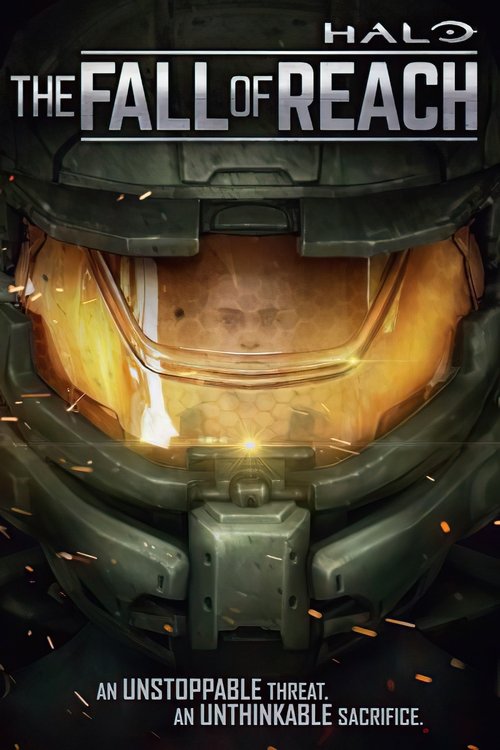
In the ending of "Halo: The Fall of Reach," the story culminates in a fierce battle between the United Nations Space Command (UNSC) forces and the Covenant. The main character, Master Chief, along with his fellow Spartans, engages in a desperate fight to protect humanity. The narrative concludes with the Spartans successfully retrieving the AI Cortana, but at a significant cost, as many of their comrades fall in battle. The fate of the characters is left with a sense of urgency and determination as they prepare for the ongoing war against the Covenant.
As the final act unfolds, the scene opens with the UNSC forces under siege. The atmosphere is tense, filled with the sounds of gunfire and explosions. Master Chief, also known as John-117, stands resolute, embodying the spirit of a soldier committed to his mission. His internal conflict is palpable; he grapples with the weight of leadership and the lives of his fellow Spartans, particularly his bond with his team members, including Kelly, Fred, and Linda.
The camera shifts to the battlefield, where the Spartans are engaged in a fierce firefight against the Covenant forces. The visual chaos of the scene is striking, with bright plasma blasts illuminating the darkened landscape. Each Spartan showcases their unique skills, working in unison to fend off the relentless alien attackers. The emotional stakes rise as they witness their comrades fall, fueling their determination to push forward.
In a pivotal moment, Master Chief receives a critical communication from Dr. Halsey, the creator of the Spartan program. She urges him to retrieve Cortana, the AI that holds vital information for humanity's survival. This moment highlights the deep connection between Master Chief and Halsey, as he reflects on the sacrifices made for the Spartan program and the burden of responsibility he carries.
As the battle rages on, the Spartans make their way to the location where Cortana is held. The tension escalates as they encounter heavy resistance from the Covenant. Each Spartan faces their own challenges, showcasing their bravery and resilience. Kelly, known for her speed, darts through enemy lines, while Fred provides cover fire, demonstrating the camaraderie and trust among the team.
In a heart-wrenching scene, Linda, the sniper of the group, is gravely injured while attempting to protect her teammates. Master Chief's anguish is evident as he rushes to her side, showcasing the emotional toll of war and the bonds formed between the Spartans. Despite the chaos, he reassures her, promising to keep fighting for their cause.
The climax of the story occurs when Master Chief finally reaches Cortana. The AI, portrayed with a sense of urgency and intelligence, provides crucial information about the Covenant's plans. The moment is bittersweet, as the team realizes that retrieving Cortana comes with the understanding that the war is far from over. The stakes are higher than ever, and the weight of their mission looms large.
As the battle concludes, the surviving Spartans regroup, battered but unbroken. The emotional aftermath is palpable; they mourn their fallen comrades while steeling themselves for the challenges ahead. Master Chief stands at the forefront, embodying the resolve of humanity's last hope. The final scene captures the Spartans preparing for their next mission, a sense of determination etched on their faces as they look toward an uncertain future.
In the end, Master Chief, Kelly, Fred, and the remaining Spartans are left to confront the reality of their ongoing fight against the Covenant. The narrative closes with a sense of urgency, emphasizing the themes of sacrifice, loyalty, and the relentless struggle for survival in the face of overwhelming odds. The fate of each character is intertwined with the larger conflict, setting the stage for the battles yet to come.
Is there a post-credit scene?
In the 2015 animated series "Halo: The Fall of Reach," there is no post-credit scene. The series concludes with a focus on the emotional and physical toll of the SPARTAN program on the characters, particularly John-117 (Master Chief) and his fellow SPARTANs. The final moments emphasize the gravity of their mission and the sacrifices they have made, leaving viewers with a sense of anticipation for the battles to come in the Halo universe, but without any additional scenes or content after the credits.
What is the significance of the SPARTAN program in the story?
The SPARTAN program is central to the narrative of Halo: The Fall of Reach, as it represents humanity's desperate attempt to combat the growing threat of the Covenant. The program is designed to create super-soldiers, and the emotional weight of the characters, particularly John-117 (Master Chief) and his fellow SPARTANs, is explored through their rigorous training, the physical and psychological toll it takes on them, and their eventual acceptance of their roles as humanity's last line of defense.
How does the relationship between John-117 and Dr. Halsey evolve throughout the series?
The relationship between John-117 and Dr. Halsey is complex and evolves significantly throughout the series. Initially, Halsey is seen as a mentor and a figure of authority, guiding John through the SPARTAN program. However, as the story progresses, John grapples with feelings of betrayal and anger towards Halsey for her role in the creation of the SPARTANs and the ethical implications of her experiments. This internal conflict highlights John's struggle between loyalty to his creator and his growing sense of autonomy.
What role do the other SPARTANs play in the narrative?
The other SPARTANs, including Kelly, Linda, and Fred, play crucial roles in the narrative, showcasing the camaraderie and bond formed between them during their training and missions. Each character brings unique skills and perspectives, contributing to the overall effectiveness of the team. Their interactions reveal their individual motivations, fears, and the emotional burden they carry as they face the realities of war, ultimately emphasizing the theme of brotherhood amidst the chaos.
How does the Covenant's invasion impact the characters emotionally?
The Covenant's invasion serves as a catalyst for the characters' emotional journeys. As the SPARTANs witness the destruction of human colonies and the loss of innocent lives, they are driven by a sense of duty and urgency to protect humanity. This invasion heightens their fears, particularly for their loved ones, and forces them to confront the harsh realities of their existence as soldiers. The emotional weight of loss, sacrifice, and the burden of responsibility profoundly affects their psyche, shaping their motivations and actions throughout the series.
What are the key moments that define Master Chief's character development?
Key moments that define Master Chief's character development include his initial training as a child, where he is stripped of his childhood and molded into a soldier, and his first real combat experience against the Covenant, which solidifies his role as a leader. His interactions with Dr. Halsey reveal his internal conflict regarding his identity and purpose. Additionally, moments of vulnerability, such as when he reflects on the loss of his fellow SPARTANs and the weight of his responsibilities, contribute to his evolution from a mere soldier to a symbol of hope for humanity.
Is this family friendly?
"Halo: The Fall of Reach" contains several elements that may be considered objectionable or upsetting for children or sensitive viewers. Here are some aspects to be aware of:
-
Violence and Combat: The series features intense scenes of warfare, including gunfights, explosions, and the depiction of soldiers in battle. The violence is portrayed in a stylized manner but can still be intense.
-
Death and Loss: Characters experience significant loss, including the deaths of comrades and the emotional toll of warfare. These moments can be heavy and may evoke feelings of sadness or distress.
-
Genetic Experimentation: The series explores themes of genetic modification and the ethical implications of creating super-soldiers. This can be unsettling for some viewers, particularly in how it affects the characters' identities and humanity.
-
Emotional Struggles: Characters grapple with feelings of isolation, fear, and the burden of their roles as soldiers. These emotional struggles can be intense and may resonate deeply with sensitive viewers.
-
Mature Themes: The overarching themes of war, sacrifice, and the moral complexities of conflict may be difficult for younger audiences to fully comprehend and could lead to uncomfortable discussions.
Overall, while the series is rooted in science fiction and action, its mature themes and depictions of violence and emotional turmoil may not be suitable for all children or sensitive viewers.