
Popular
What is the significance of the cat in the episode 'Three Robots'?
How does the character of the soldier in 'Suits' evolve throughout the episode?
What motivates the protagonist in 'The Drowned Giant' to explore the giant's body?
What is the relationship between the two main characters in 'Zima Blue'?
What drives the characters in 'Good Hunting' to seek revenge?
Should I watch it?
Ask Your Own Question

What is the plot?
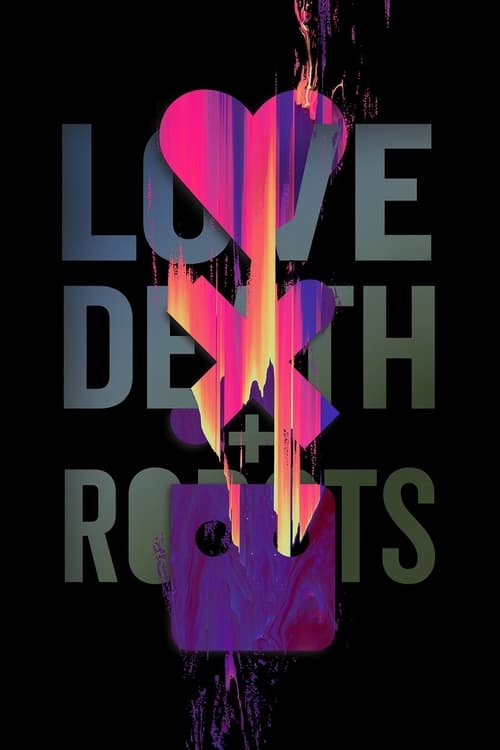
"Love, Death & Robots" is an anthology series consisting of various standalone episodes, each with its own unique story, characters, and themes. Below is a detailed plot summary of each episode from the 2019 season, organized chronologically by episode.
-
Sonnie's Edge: The story begins in a dark, dystopian future where underground monster fights are a popular form of entertainment. Sonnie, a fierce and confident fighter, is introduced as she prepares for a match. She has a unique ability to control a monstrous creature through a psychic connection. As the fight progresses, Sonnie's opponent, a man named Darius, is revealed to have a personal vendetta against her. The fight is brutal, showcasing Sonnie's skill and the terrifying power of her creature. After a tense battle, Sonnie emerges victorious, but the twist reveals that she is not just controlling the monster; she is the monster, having transferred her consciousness into it. The episode ends with Sonnie confronting Darius, who is horrified by the revelation.
-
Three Robots: In a post-apocalyptic world, three robots--X, Y, and Z--explore the remnants of human civilization. They exhibit curiosity and humor as they interact with various artifacts left behind by humans. Their journey includes discovering a cat, which they find fascinating, and learning about human habits and culture through the remnants of technology and lifestyle. The robots engage in witty banter, contrasting their logical perspectives with the absurdity of human behavior. The episode culminates in a humorous yet poignant reflection on humanity's downfall, as the robots conclude that humans were ultimately self-destructive.
-
The Drowned Giant: The story begins with the discovery of a giant's corpse washed ashore in a small coastal town. The giant, named "Jorge," is initially a source of wonder and curiosity for the townspeople. They gather to gawk at the giant's body, taking photos and marveling at its size. As time passes, the initial awe fades, and the giant's body becomes a site of neglect and disrespect. People begin to vandalize it, and the giant's remains are eventually stripped for souvenirs. The narrative explores themes of mortality and the fleeting nature of wonder, culminating in the giant's complete decomposition, leaving only a memory of what once was.
-
The Witness: The episode opens with a young woman witnessing a murder in an urban setting. She sees a man kill a woman in a brutal act and immediately flees the scene, terrified. As she runs through the city, she is pursued by the murderer, leading to a tense chase filled with close calls and narrow escapes. The woman navigates through crowded streets and dark alleys, her heart racing as she tries to evade capture. The chase culminates in a shocking twist when the woman confronts the murderer, revealing that she is also a killer. The episode ends with a cyclical twist, suggesting that the events may repeat themselves.
-
Suits: In a rural setting, a group of farmers is shown defending their land from giant alien creatures that threaten their crops. The farmers wear mechanized suits that enhance their strength and abilities, allowing them to fight back against the invaders. The episode highlights their camaraderie and determination as they strategize to protect their livelihood. During a climactic battle, the farmers face overwhelming odds, but their teamwork and ingenuity allow them to fend off the creatures. The episode concludes with a sense of victory, but also a lingering uncertainty about the future.
-
The Tall Grass: A train journey takes a dark turn when a passenger, a man, is warned by a fellow traveler about a mysterious tall grass that appears near the tracks. The man becomes increasingly curious and decides to investigate the grass, despite the warnings. As he ventures into the grass, he encounters strange and unsettling phenomena, including ghostly figures and disorienting sounds. The atmosphere becomes increasingly tense as he realizes he is not alone. The episode ends with a chilling twist, as the man becomes trapped in the grass, suggesting a cycle of entrapment for those who enter.
-
The Dump: The story follows a grumpy old man living in a junkyard, who has a unique relationship with the discarded items around him. One day, a young boy arrives, fascinated by the junk and eager to explore. The old man initially rebuffs the boy's enthusiasm but eventually warms to him. As they bond, the boy learns about the old man's past and the stories behind the items in the dump. The episode takes a dark turn when the boy discovers a monstrous creature living in the junkyard, leading to a confrontation that tests their friendship. The old man ultimately sacrifices himself to save the boy, leaving a lasting impact on the young child.
-
Shapeshifters: Set in a military context, the story follows two soldiers who are also werewolves, navigating their dual identities. They face prejudice from their fellow soldiers, who view them as monsters. The narrative explores their struggles with acceptance and the brutality of war. During a mission, they are sent to confront an enemy force, leading to intense combat scenes. The soldiers' werewolf abilities give them an edge, but they also face the consequences of their transformations. The episode culminates in a tragic ending, highlighting the cost of war and the struggle for identity.
-
Helping Hand: The episode begins with an astronaut on a space mission who faces a catastrophic event when her spacecraft is damaged. She is forced to make a difficult decision to save herself. As she navigates the wreckage, she realizes she must detach her damaged arm to survive. The scene is tense and emotional, showcasing her determination and fear. After successfully detaching her arm, she uses her remaining resources to signal for help. The episode ends with a sense of isolation and the harsh reality of space travel.
-
Fish Night: A father and son embark on a road trip through a desolate desert landscape. As night falls, they stop at a remote location to camp. The son expresses his desire to see the stars, and the father reluctantly agrees. As they gaze at the sky, they witness a surreal phenomenon where glowing fish swim through the air. The scene is magical and dreamlike, filled with wonder and awe. However, the father becomes increasingly anxious, fearing the unknown. The episode concludes with a bittersweet moment as the father realizes the importance of cherishing these fleeting experiences with his son.
-
Lucky 13: The story follows a female pilot who is assigned to a military dropship named Lucky 13. Initially, she is skeptical about the ship's reputation, as it has a history of being unlucky. However, as they embark on various missions, she develops a bond with the ship, treating it as a partner rather than just a machine. The narrative showcases their successful missions and the challenges they face together. The climax occurs during a dangerous mission where the ship is heavily damaged, but the pilot's quick thinking saves them. The episode ends with a poignant reflection on the bond between humans and technology.
-
Zima Blue: The episode centers on a renowned artist named Zima, who is known for his large-scale blue artworks. A journalist interviews him, seeking to understand the meaning behind his work. As Zima recounts his journey, the narrative reveals his origins as a simple pool-cleaning robot. Over time, he evolved and sought to express his identity through art. The episode explores themes of existence and purpose, culminating in Zima's decision to return to his roots. He creates a final masterpiece that reflects his true self, leaving a lasting impact on the art world.
-
Blind Spot: A group of cyborg thieves plans a heist on a moving vehicle. The team consists of various members, each with unique abilities. As they execute their plan, they encounter unexpected challenges, including a powerful security system. The tension escalates as they navigate the heist, showcasing their skills and teamwork. However, a betrayal occurs within the group, leading to a violent confrontation. The episode ends with a twist, revealing the true nature of the heist and the consequences of their actions.
-
Ice Age: A couple discovers a miniature civilization inside their freezer, where tiny people live and thrive. They observe the civilization's development over time, witnessing their struggles and achievements. The couple becomes increasingly invested in the lives of the tiny people, but their actions inadvertently disrupt the delicate balance of their world. The episode explores themes of power and responsibility, culminating in a tragic ending as the couple realizes the consequences of their interference.
-
Alternate Histories: The episode presents a humorous take on alternate histories, showcasing various scenarios in which Adolf Hitler is killed in different ways. Each scenario is depicted with exaggerated visuals and comedic elements, exploring the absurdity of history. The narrative highlights the impact of these alternate events on the world, ultimately leading to a reflection on the nature of history itself. The episode concludes with a twist, suggesting that the past is inescapable.
-
Good Hunting: Set in a fantastical world, the story follows a young boy named Liang who befriends a shape-shifting huli jing, a fox spirit. As they grow up, Liang becomes a skilled craftsman, while the huli jing faces oppression from humans. The narrative explores their friendship and the challenges they face in a changing world. The climax occurs when the huli jing is captured and transformed into a mechanical creature. Liang must confront the forces that have changed their lives, leading to a bittersweet resolution.
-
The Very Pulse of the Machine: An astronaut is stranded on a distant moon after a mission goes awry. As she navigates the harsh environment, she experiences hallucinations and visions of her past. The narrative explores her struggle for survival and her connection to the machine that once supported her. The episode culminates in a surreal and introspective ending, highlighting the fragility of existence.
-
Pop Squad: In a dystopian future, a police officer enforces a strict anti-reproduction policy. The narrative follows his internal conflict as he confronts the morality of his actions. During a routine investigation, he encounters a mother and her child, leading to a tense confrontation. The episode explores themes of life, death, and the value of existence, culminating in a tragic decision that haunts the officer.
-
Snow in the Desert: The story follows a lone man living in a desert, who possesses a rare ability to regenerate. He is pursued by bounty hunters seeking to exploit his gift. The narrative explores his struggle for survival and the loneliness of his existence. The climax occurs during a confrontation with the bounty hunters, showcasing his resilience and determination. The episode ends with a sense of hope as he finds a connection with another character.
-
The Tall Grass: A train journey takes a dark turn when a passenger, a man, is warned by a fellow traveler about a mysterious tall grass that appears near the tracks. The man becomes increasingly curious and decides to investigate the grass, despite the warnings. As he ventures into the grass, he encounters strange and unsettling phenomena, including ghostly figures and disorienting sounds. The atmosphere becomes increasingly tense as he realizes he is not alone. The episode ends with a chilling twist, as the man becomes trapped in the grass, suggesting a cycle of entrapment for those who enter.
-
The Drowned Giant: The story begins with the discovery of a giant's corpse washed ashore in a small coastal town. The giant, named "Jorge," is initially a source of wonder and curiosity for the townspeople. They gather to gawk at the giant's body, taking photos and marveling at its size. As time passes, the initial awe fades, and the giant's body becomes a site of neglect and disrespect. People begin to vandalize it, and the giant's remains are eventually stripped for souvenirs. The narrative explores themes of mortality and the fleeting nature of wonder, culminating in the giant's complete decomposition, leaving only a memory of what once was.
-
The Witness: The episode opens with a young woman witnessing a murder in an urban setting. She sees a man kill a woman in a brutal act and immediately flees the scene, terrified. As she runs through the city, she is pursued by the murderer, leading to a tense chase filled with close calls and narrow escapes. The woman navigates through crowded streets and dark alleys, her heart racing as she tries to evade capture. The chase culminates in a shocking twist when the woman confronts the murderer, revealing that she is also a killer. The episode ends with a cyclical twist, suggesting that the events may repeat themselves.
-
Suits: In a rural setting, a group of farmers is shown defending their land from giant alien creatures that threaten their crops. The farmers wear mechanized suits that enhance their strength and abilities, allowing them to fight back against the invaders. The episode highlights their camaraderie and determination as they strategize to protect their livelihood. During a climactic battle, the farmers face overwhelming odds, but their teamwork and ingenuity allow them to fend off the creatures. The episode concludes with a sense of victory, but also a lingering uncertainty about the future.
-
The Dump: The story follows a grumpy old man living in a junkyard, who has a unique relationship with the discarded items around him. One day, a young boy arrives, fascinated by the junk and eager to explore. The old man initially rebuffs the boy's enthusiasm but eventually warms to him. As they bond, the boy learns about the old man's past and the stories behind the items in the dump. The episode takes a dark turn when the boy discovers a monstrous creature living in the junkyard, leading to a confrontation that tests their friendship. The old man ultimately sacrifices himself to save the boy, leaving a lasting impact on the young child.
-
Shapeshifters: Set in a military context, the story follows two soldiers who are also werewolves, navigating their dual identities. They face prejudice from their fellow soldiers, who view them as monsters. The narrative explores their struggles with acceptance and the brutality of war. During a mission, they are sent to confront an enemy force, leading to intense combat scenes. The soldiers' werewolf abilities give them an edge, but they also face the consequences of their transformations. The episode culminates in a tragic ending, highlighting the cost of war and the struggle for identity.
-
Helping Hand: The episode begins with an astronaut on a space mission who faces a catastrophic event when her spacecraft is damaged. She is forced to make a difficult decision to save herself. As she navigates the wreckage, she realizes she must detach her damaged arm to survive. The scene is tense and emotional, showcasing her determination and fear. After successfully detaching her arm, she uses her remaining resources to signal for help. The episode ends with a sense of isolation and the harsh reality of space travel.
-
Fish Night: A father and son embark on a road trip through a desolate desert landscape. As night falls, they stop at a remote location to camp. The son expresses his desire to see the stars, and the father reluctantly agrees. As they gaze at the sky, they witness a surreal phenomenon where glowing fish swim through the air. The scene is magical and dreamlike, filled with wonder and awe. However, the father becomes increasingly anxious, fearing the unknown. The episode concludes with a bittersweet moment as the father realizes the importance of cherishing these fleeting experiences with his son.
-
Lucky 13: The story follows a female pilot who is assigned to a military dropship named Lucky 13. Initially, she is skeptical about the ship's reputation, as it has a history of being unlucky. However, as they embark on various missions, she develops a bond with the ship, treating it as a partner rather than just a machine. The narrative showcases their successful missions and the challenges they face together. The climax occurs during a dangerous mission where the ship is heavily damaged, but the pilot's quick thinking saves them. The episode ends with a poignant reflection on the bond between humans and technology.
-
Zima Blue: The episode centers on a renowned artist named Zima, who is known for his large-scale blue artworks. A journalist interviews him, seeking to understand the meaning behind his work. As Zima recounts his journey, the narrative reveals his origins as a simple pool-cleaning robot. Over time, he evolved and sought to express his identity through art. The episode explores themes of existence and purpose, culminating in Zima's decision to return to his roots. He creates a final masterpiece that reflects his true self, leaving a lasting impact on the art world.
-
Blind Spot: A group of cyborg thieves plans a heist on a moving vehicle. The team consists of various members, each with unique abilities. As they execute their plan, they encounter unexpected challenges, including a powerful security system. The tension escalates as they navigate the heist, showcasing their skills and teamwork. However, a betrayal occurs within the group, leading to a violent confrontation. The episode ends with a twist, revealing the true nature of the heist and the consequences of their actions.
-
Ice Age: A couple discovers a miniature civilization inside their freezer, where tiny people live and thrive. They observe the civilization's development over time, witnessing their struggles and achievements. The couple becomes increasingly invested in the lives of the tiny people, but their actions inadvertently disrupt the delicate balance of their world. The episode explores themes of power and responsibility, culminating in a tragic ending as the couple realizes the consequences of their interference.
-
Alternate Histories: The episode presents a humorous take on alternate histories, showcasing various scenarios in which Adolf Hitler is killed in different ways. Each scenario is depicted with exaggerated visuals and comedic elements, exploring the absurdity of history. The narrative highlights the impact of these alternate events on the world, ultimately leading to a reflection on the nature of history itself. The episode concludes with a twist, suggesting that the past is inescapable.
-
Good Hunting: Set in a fantastical world, the story follows a young boy named Liang who befriends a shape-shifting huli jing, a fox spirit. As they grow up, Liang becomes a skilled craftsman, while the huli jing faces oppression from humans. The narrative explores their friendship and the challenges they face in a changing world. The climax occurs when the huli jing is captured and transformed into a mechanical creature. Liang must confront the forces that have changed their lives, leading to a bittersweet resolution.
-
The Very Pulse of the Machine: An astronaut is stranded on a distant moon after a mission goes awry. As she navigates the harsh environment, she experiences hallucinations and visions of her past. The narrative explores her struggle for survival and her connection to the machine that once supported her. The episode culminates in a surreal and introspective ending, highlighting the fragility of existence.
-
Pop Squad: In a dystopian future, a police officer enforces a strict anti-reproduction policy. The narrative follows his internal conflict as he confronts the morality of his actions. During a routine investigation, he encounters a mother and her child, leading to a tense confrontation. The episode explores themes of life, death, and the value of existence, culminating in a tragic decision that haunts the officer.
-
Snow in the Desert: The story follows a lone man living in a desert, who possesses a rare ability to regenerate. He is pursued by bounty hunters seeking to exploit his gift. The narrative explores his struggle for survival and the loneliness of his existence. The climax occurs during a confrontation with the bounty hunters, showcasing his resilience and determination. The episode ends with a sense of hope as he finds a connection with another character.

What is the ending?
"Love, Death & Robots" is an anthology series, meaning it consists of multiple short stories, each with its own unique ending. Therefore, I will summarize the endings of a few notable episodes from the 2019 season.
-
"Sonnie's Edge": The story concludes with Sonnie revealing that she has been controlling the beast in the arena through her consciousness. After defeating her opponent, she confronts the man who had previously abused her, killing him in a brutal act of revenge. The ending emphasizes her empowerment and the cyclical nature of violence.
-
"Three Robots": The three robots, after exploring a post-apocalyptic world, come to a humorous yet poignant conclusion about humanity's flaws. They observe the remnants of human civilization and share a light-hearted discussion about the absurdity of human behavior. The episode ends with them deciding to leave Earth, hinting at the resilience of life despite humanity's downfall.
-
"The Drowned Giant": The story ends with the giant's body decomposing and being treated with indifference by the townspeople. As the giant's remains are eventually reduced to a skeleton, the townspeople's fascination fades, illustrating the transient nature of life and the human tendency to forget. The giant, once a source of awe, becomes just another part of the landscape.
-
"Good Hunting": The narrative concludes with the transformation of the main character, Liang, who becomes a powerful figure in a world where magic and technology collide. After losing his love, he seeks revenge against the oppressive forces that took her life. The ending leaves him in a state of solitude, having embraced his new identity while mourning his past.
Now, I will provide an expanded narrative for one of the episodes, "Sonnie's Edge," detailing the ending scene by scene.
As the final battle in the underground arena unfolds, the atmosphere is thick with tension. The crowd roars, their excitement palpable as Sonnie, a fierce and determined fighter, prepares to face her opponent. She is not just fighting for victory; she is fighting for her life and her dignity. The arena is dimly lit, with harsh lights illuminating the combatants and casting long shadows that dance across the blood-stained floor.
Sonnie's beast, a monstrous creature with glistening scales and sharp claws, is a reflection of her inner strength and rage. As the battle commences, she feels a surge of adrenaline coursing through her veins. The opponent's beast, a hulking brute, charges at her with ferocity. Sonnie, however, is in complete control, her mind linked to the creature through a neural interface. She maneuvers with precision, her thoughts guiding the beast's every move.
The fight escalates, and the crowd's cheers grow louder, drowning out the sounds of the clash. Sonnie's determination is fueled by memories of her past, the trauma she endured at the hands of men who sought to dominate her. Each strike she delivers is not just a blow to her opponent but a cathartic release of her pent-up anger and pain.
As the battle reaches its climax, Sonnie's beast gains the upper hand, delivering a devastating blow that sends her opponent crashing to the ground. The crowd erupts in a frenzy, but Sonnie's focus shifts. She locks eyes with the man who had once abused her, now watching from the sidelines, a smug grin on his face. In that moment, her rage transforms into a singular purpose: revenge.
With a final, powerful command, Sonnie directs her beast to finish the fight. The creature lunges at the fallen opponent, but instead of delivering a fatal blow, Sonnie's consciousness shifts. She breaks free from the beast's body and confronts her abuser directly. The arena fades away, and she stands before him, a fierce glint in her eyes.
In a swift and brutal act, she kills him, her face a mask of both fury and liberation. The act is cathartic, a culmination of her struggles and a reclaiming of her power. As she stands over his lifeless body, the weight of her past begins to lift. The crowd's cheers fade into silence, replaced by a profound sense of closure.
The episode ends with Sonnie walking away from the arena, her head held high. She has not only defeated her opponent in the ring but has also conquered the demons of her past. The final shot lingers on her face, a mixture of triumph and sorrow, as she steps into a new chapter of her life, free from the chains that once bound her. The fate of Sonnie is one of empowerment, having transformed her pain into strength, while the fate of her abuser serves as a stark reminder of the consequences of violence and oppression.
Is there a post-credit scene?
In the 2019 anthology series "Love, Death & Robots," there is no consistent post-credit scene across the episodes. Each episode stands alone with its own unique story, animation style, and themes, and while some episodes may have a brief moment that could be considered a closing note, there is no overarching post-credit scene that ties the series together or provides additional content after the credits. Each story concludes as intended, leaving viewers to reflect on the themes of love, death, and technology presented within that specific episode.
What is the significance of the cat in the episode 'Three Robots'?
In 'Three Robots', the cat serves as a symbol of the remnants of humanity's past, representing both nostalgia and the unexpected resilience of life. The three robots, who are exploring a post-apocalyptic world, initially view the cat with curiosity and amusement. As they interact with it, the cat's nonchalant demeanor contrasts with the robots' programmed logic, highlighting the unpredictability of life. The cat's presence also evokes a sense of warmth and connection to the lost human experience, emphasizing the theme of companionship even in a desolate world.
How does the character of the soldier in 'Suits' evolve throughout the episode?
In 'Suits', the soldier begins as a determined and somewhat reckless character, driven by a sense of duty to protect his family and community from the monstrous threats that plague their existence. As the episode progresses, he faces numerous challenges that test his resolve and leadership. His evolution is marked by moments of vulnerability, particularly when he witnesses the sacrifices made by his fellow soldiers and the impact of their losses. By the end, he emerges as a more reflective and responsible leader, understanding the weight of his choices and the importance of unity in the face of overwhelming odds.
What motivates the protagonist in 'The Drowned Giant' to explore the giant's body?
In 'The Drowned Giant', the protagonist is initially driven by a mix of curiosity and a sense of wonder at the sight of the giant's body washed ashore. As he explores the giant, his motivations shift from mere fascination to a deeper contemplation of mortality and the transient nature of existence. The giant, once a figure of awe, becomes a canvas for the townspeople's projections of their own fears and desires. The protagonist's journey reflects his internal struggle with the meaning of life and death, as he grapples with the giant's decay and the indifference of the world around him.
What is the relationship between the two main characters in 'Zima Blue'?
In 'Zima Blue', the relationship between the artist Zima and the narrator is complex and evolves throughout the episode. Initially, the narrator is an admirer of Zima's work, captivated by the depth and beauty of his art. As Zima shares his story, the narrator becomes increasingly aware of the artist's existential journey and the profound transformation he undergoes. Zima's relationship with his art is deeply personal, reflecting his quest for identity and purpose. The emotional connection between them deepens as the narrator begins to understand the sacrifices Zima made in pursuit of his true self, culminating in a poignant realization about the nature of existence and the essence of creativity.
What drives the characters in 'Good Hunting' to seek revenge?
In 'Good Hunting', the characters are driven by a mix of personal loss and societal injustice. The protagonist, Liang, is motivated by the tragic fate of his childhood friend, a shape-shifting huli jing, who is hunted down by humans for her magical abilities. As Liang witnesses the destruction of his world and the exploitation of the huli jing, his desire for revenge grows. The emotional weight of his loss fuels his transformation from a passive observer to an active participant in the fight against the oppressive forces that seek to eradicate the magical beings. This quest for vengeance is intertwined with themes of love, loss, and the struggle for identity in a rapidly changing world.
Is this family friendly?
"Love, Death & Robots" is an anthology series that features a variety of animated short films, each with its own unique story and style. While the series showcases stunning visuals and innovative storytelling, it is important to note that it contains several elements that may not be suitable for children or sensitive viewers.
-
Graphic Violence: Many episodes include intense and graphic depictions of violence, including bloodshed and brutal confrontations.
-
Sexual Content: Some shorts feature nudity, sexual situations, and themes that may be inappropriate for younger audiences.
-
Dark Themes: The series often explores heavy and existential themes, such as death, despair, and the darker aspects of human nature, which may be unsettling for some viewers.
-
Horror Elements: Certain episodes incorporate horror elements, including grotesque imagery and frightening scenarios that could be disturbing.
-
Language: There is occasional use of strong language throughout the series.
Due to these factors, "Love, Death & Robots" is generally not considered family-friendly and may be more suitable for mature audiences. Viewer discretion is advised.