










Popular
What is the significance of Bean's relationship with her mother, Queen Dagmar?
How does Elfo's character evolve throughout the series?
What role does Luci play in Bean's life and her decision-making?
What are the implications of the curse placed on Dreamland?
How does the character of King Zøg reflect the themes of power and responsibility?
Should I watch it?
Ask Your Own Question

What is the plot?
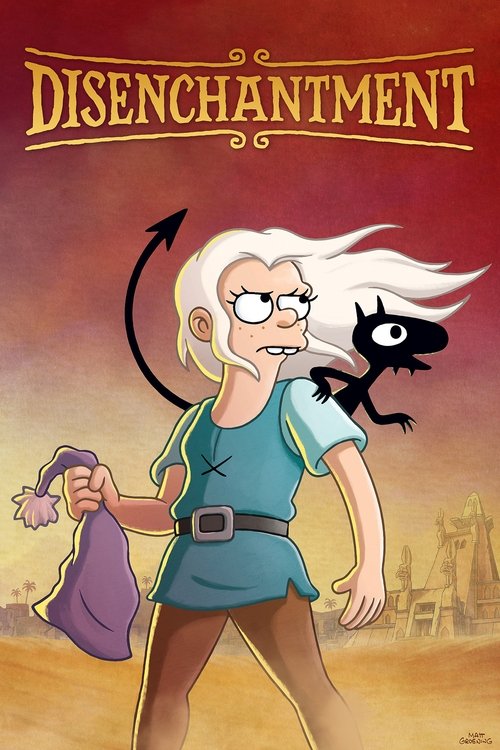
In the kingdom of Dreamland, we are introduced to Princess Bean, a rebellious young woman who is disillusioned with her royal life. She is often seen drinking and causing trouble, much to the dismay of her father, King Zøg. One day, during a royal banquet, Bean's wild behavior leads to a confrontation with her father, who is frustrated with her lack of decorum. This sets the stage for Bean's desire to escape the confines of her royal duties.
Bean's life takes a turn when she meets a mischievous elf named Elfo, who has left his home in search of adventure and happiness. Elfo is optimistic and naive, contrasting sharply with Bean's cynical outlook. The two quickly form a bond, and Bean decides to leave the castle with Elfo to explore the world outside. They embark on a journey that leads them to a mysterious forest, where they encounter various magical creatures and face challenges that test their friendship.
As they travel, Bean and Elfo come across a group of rebels who are fighting against the oppressive rule of the kingdom. Among them is a character named Luci, a personal demon who becomes attached to Bean. Luci is sarcastic and manipulative, often pushing Bean towards her darker impulses. Despite his dubious nature, Luci becomes an integral part of the trio, adding tension and humor to their adventures.
The trio's escapades lead them to a series of misadventures, including a run-in with a group of trolls and a confrontation with a powerful sorceress. During these encounters, Bean's character is further developed as she grapples with her identity and the responsibilities that come with being a princess. She begins to realize that her actions have consequences, not just for herself but for those around her.
As the story progresses, Bean learns about her mother's mysterious past and the reasons behind her father's strict demeanor. This revelation deepens her understanding of her family dynamics and motivates her to confront her father about the truth. The emotional stakes rise as Bean struggles with her feelings of abandonment and the desire to forge her own path.
In a pivotal moment, Bean discovers that her mother is alive and has been trapped in a magical realm. This revelation propels her on a quest to rescue her mother, leading the trio into dangerous territory. They face numerous obstacles, including betrayal from those they thought were allies and the looming threat of dark forces that seek to thwart their plans.
The climax of the story occurs when Bean, Elfo, and Luci confront the sorceress who has imprisoned her mother. A fierce battle ensues, showcasing each character's growth and the strength of their bond. Bean's determination to save her mother drives her to tap into her latent magical abilities, revealing her true potential as a princess.
In the aftermath of the battle, Bean is faced with a choice: to return to her life in Dreamland or to embrace her newfound identity and continue her adventures with Elfo and Luci. Ultimately, she chooses the latter, signifying her rejection of the traditional royal life and her commitment to forging her own destiny.
The series concludes with Bean, Elfo, and Luci embarking on new adventures, hinting at the challenges and growth that lie ahead. Their journey is far from over, and the bonds they have formed will be tested as they navigate the complexities of friendship, love, and the responsibilities of their respective roles in a fantastical world.

What is the ending?
In the ending of Disenchantment, Princess Bean confronts her destiny and the truth about her mother, while Elfo and Luci face their own challenges. The story culminates in a battle against the forces of evil, leading to significant sacrifices and revelations about love, loyalty, and the consequences of one's choices.
As the final episodes unfold, we see Princess Bean, Elfo, and Luci navigating the complexities of their relationships and the looming threat of the demon, who has been manipulating events from the shadows. The trio's bond is tested as they confront their pasts and the realities of their world. In a climactic showdown, Bean learns the truth about her mother, who is revealed to have a deeper connection to the chaos surrounding them. The series concludes with a bittersweet resolution, leaving the characters changed and their futures uncertain.
Now, let's delve into the ending in a more detailed narrative fashion.
The final episodes begin with Princess Bean, Elfo, and Luci in the kingdom of Dreamland, where tensions are high. The trio is aware that a great evil is rising, and they must confront it together. Bean is particularly troubled by the revelations about her mother, who has been a mysterious figure throughout the series. As they prepare for the impending conflict, Bean grapples with feelings of abandonment and the weight of her royal responsibilities.
In a pivotal scene, the trio gathers in a dimly lit chamber, where they discuss their next steps. Elfo, ever optimistic, tries to lighten the mood, but Bean's anxiety is palpable. She feels the pressure of her lineage and the expectations placed upon her as a princess. Luci, the cynical demon, offers his own brand of support, though his motivations are often self-serving. The dynamic between the three is charged with tension, as they each have their own fears and desires.
As the battle against the demon unfolds, the stakes are raised. The trio faces off against the forces of darkness in a dramatic confrontation. The animation captures the chaos of the battle, with vibrant colors and dynamic movements. Bean fights fiercely, her determination fueled by the desire to protect her friends and reclaim her destiny. Elfo, despite his earlier bravado, finds himself in a precarious situation, showcasing his vulnerability. Luci, torn between his loyalty to Bean and his nature as a demon, struggles with his own identity.
In a heart-wrenching moment, sacrifices are made. Elfo, in a bid to save Bean, faces a dire fate. His love for her shines through, and he makes a choice that ultimately leads to his demise. This moment is filled with emotional weight, as Bean realizes the depth of their bond and the cost of their adventures. The animation captures her anguish, her face contorted in grief as she watches Elfo's fate unfold.
As the dust settles, Bean confronts her mother, who has been revealed to be a significant player in the chaos. The confrontation is intense, filled with raw emotion as Bean demands answers. Her mother, once a distant figure, becomes a source of both pain and understanding. The dialogue is charged, revealing the complexities of their relationship and the reasons behind the choices made.
In the aftermath, Bean emerges changed. She has faced loss and betrayal, but also love and friendship. The series concludes with her standing at a crossroads, contemplating her future. Luci, having undergone his own transformation, remains by her side, hinting at a new beginning for their relationship. The final scenes are poignant, capturing the essence of growth and the bittersweet nature of their journey.
As the screen fades to black, viewers are left with a sense of uncertainty about the characters' futures. Bean, now more aware of her strength and the sacrifices made for her, is poised to take on whatever comes next. The ending encapsulates the themes of love, loyalty, and the complexities of personal growth, leaving a lasting impression on the audience.
Is there a post-credit scene?
In the show "Disenchantment," there are indeed post-credit scenes that appear at the end of several episodes, particularly in the first season. These scenes often provide humorous or additional context to the main storyline, featuring minor characters or comedic moments that enhance the overall experience of the episode.
For example, in the first season, one notable post-credit scene features the character of Elfo, who is a half-elf with a naive and optimistic outlook on life. In one scene, after the main story concludes, Elfo is seen in a humorous situation that highlights his innocence and the absurdity of the world around him. These moments serve to lighten the mood and offer a comedic twist, often leaving the audience with a chuckle.
The post-credit scenes are not always directly tied to the main plot but instead serve as a fun way to expand on the quirky universe of Dreamland and its inhabitants, showcasing the show's signature blend of humor and fantasy. Each scene varies in content, but they consistently reflect the show's irreverent tone and character dynamics.
What is the significance of Bean's relationship with her mother, Queen Dagmar?
Bean's relationship with her mother, Queen Dagmar, is complex and fraught with tension. Initially, Bean feels abandoned by Dagmar, who left her to pursue her own ambitions. As the series progresses, it becomes clear that Dagmar has her own agenda, which includes a desire for power and control. This dynamic creates a deep emotional conflict for Bean, who struggles with feelings of betrayal and a longing for maternal approval. The revelation of Dagmar's true intentions adds layers to their relationship, showcasing Bean's growth as she learns to assert her independence.
How does Elfo's character evolve throughout the series?
Elfo begins as a naive and optimistic elf who yearns for adventure beyond the confines of his idyllic home. His journey with Bean and Luci exposes him to the harsh realities of the world, leading to significant character development. As he faces betrayal, heartbreak, and the complexities of love, Elfo grapples with his identity and purpose. His internal conflict between his cheerful nature and the darker aspects of life creates a poignant contrast, ultimately shaping him into a more resilient and self-aware character.
What role does Luci play in Bean's life and her decision-making?
Luci, the mischievous demon, serves as both a friend and a foil to Bean. His cynical outlook and penchant for chaos often lead Bean into trouble, but they also provide her with a unique perspective on her choices. Luci's influence pushes Bean to embrace her rebellious side, challenging societal norms and expectations. Despite his devilish nature, Luci genuinely cares for Bean, and their bond deepens as they navigate the trials of their adventures together. His presence often highlights Bean's internal struggles, making her decisions more impactful.
What are the implications of the curse placed on Dreamland?
The curse on Dreamland, which causes misfortune and chaos, serves as a central plot element that affects all characters. It symbolizes the consequences of past actions and the struggle for redemption. As Bean, Elfo, and Luci uncover the origins of the curse, they confront their own flaws and the impact of their choices. The curse not only creates external conflict but also mirrors the internal battles faced by the characters, particularly Bean, as she seeks to break free from her family's legacy and forge her own path.
How does the character of King Zøg reflect the themes of power and responsibility?
King Zøg embodies the complexities of power and the burdens that come with it. Initially portrayed as a bumbling and often selfish ruler, his character reveals deeper layers as the series progresses. Zøg's decisions often stem from a desire to maintain control and protect his kingdom, but they also highlight his insecurities and fears of inadequacy. His relationship with Bean is particularly telling, as he grapples with the challenge of being a father while also fulfilling his duties as a king. This duality showcases the theme of responsibility and the sacrifices leaders must make.
Is this family friendly?
"Disenchantment," produced in 2018, is an animated series that blends fantasy and comedy, but it contains several elements that may not be considered family-friendly. Here are some potentially objectionable or upsetting aspects:
-
Violence: The show features scenes of cartoonish violence, including battles, sword fights, and characters getting hurt in exaggerated ways. While it is not graphic, the frequent presence of violence may be unsettling for younger viewers.
-
Dark Humor: The series employs dark humor that touches on themes of death, despair, and existential crises. Some jokes may be inappropriate for children or sensitive viewers.
-
Substance Use: Characters are depicted consuming alcohol and engaging in drunken behavior, which may not be suitable for younger audiences.
-
Mature Themes: The show explores complex themes such as betrayal, loss, and the struggles of adulthood, which may resonate differently with children compared to adult viewers.
-
Innuendo and Suggestive Content: There are instances of sexual innuendo and suggestive jokes that may not be appropriate for a younger audience.
-
Emotional Turmoil: Characters often experience significant emotional distress, including feelings of loneliness, inadequacy, and depression, which could be upsetting for sensitive viewers.
Overall, while "Disenchantment" has a whimsical and fantastical setting, its humor and themes may not be suitable for all children or sensitive individuals.