







Popular
What challenges does Dave face when moving into the neighborhood?
How does Calvin's relationship with his family evolve throughout the series?
What role does the character of Gemma play in the Johnson family's integration into the neighborhood?
How does the character of Marty contribute to the comedic elements of the show?
What specific incidents highlight the cultural misunderstandings between the Johnsons and the Butlers?
Should I watch it?
Ask Your Own Question

What is the plot?
The series begins with the Johnson family, consisting of Dave, Gemma, and their son Grover, moving from a predominantly white neighborhood in Michigan to a predominantly black neighborhood in Los Angeles. Dave, an optimistic and friendly man, is excited about the move and eager to make new friends. Gemma, his wife, is more cautious and concerned about their new environment. Grover, their son, is apprehensive but hopeful about making new friends.
Upon arriving, the Johnsons meet their new neighbor, Calvin Butler, a strong-willed and proud man who is initially skeptical of the Johnsons. Calvin's wife, Tina, is more welcoming, but Calvin's protective nature leads to some tension. Dave tries to break the ice by introducing himself and offering to help with the moving process, but Calvin is dismissive and makes it clear that he is not interested in befriending them.
As the Johnsons settle in, they face various challenges adjusting to their new neighborhood. Dave's attempts to connect with Calvin often backfire, leading to awkward and humorous situations. For instance, Dave tries to bond over a barbecue, but Calvin's traditional views clash with Dave's more modern approach, resulting in a comedic disaster.
In another episode, Dave and Calvin find themselves in a competition over who can throw the best block party. Dave is determined to prove himself and win over the neighborhood, while Calvin is motivated by pride and a desire to maintain his status as the neighborhood leader. The rivalry escalates, leading to a series of comedic mishaps as both men try to outdo each other, ultimately culminating in a chaotic but fun block party that brings the community together.
Throughout the series, the Johnsons navigate various cultural differences and misunderstandings. Gemma often finds herself in situations where she must assert her independence and challenge stereotypes, while Dave learns to appreciate the richness of the community's culture. Grover, meanwhile, makes friends with local kids, showcasing the innocence and curiosity of youth.
As the series progresses, the relationship between the Johnsons and the Butlers evolves. Calvin begins to see Dave as a friend rather than an intruder, and they share moments of vulnerability, such as discussing their parenting challenges and personal aspirations. This gradual shift in their relationship is marked by humorous yet heartfelt exchanges that highlight their growing camaraderie.
In a pivotal episode, the Johnsons face a crisis when a local incident raises tensions in the neighborhood. Dave and Calvin must work together to address the situation, showcasing their growth as friends and neighbors. They organize a community meeting to discuss the issues at hand, demonstrating their commitment to fostering understanding and unity within the neighborhood.
The series also explores the dynamics of the Johnsons' extended family, including Gemma's parents, who visit and add another layer of complexity to the family's interactions. Their differing views on race and culture lead to humorous yet poignant moments that challenge the characters to confront their biases and assumptions.
As the first season concludes, the Johnsons and the Butlers have solidified their friendship, having navigated various challenges together. The final scenes depict a neighborhood gathering where the community comes together to celebrate their diversity, highlighting the progress made in bridging cultural gaps and fostering a sense of belonging.
The series continues to explore themes of friendship, community, and cultural differences, with each episode presenting new challenges and humorous situations that further develop the characters and their relationships. The Johnsons and the Butlers learn to embrace their differences while finding common ground, ultimately creating a vibrant and supportive neighborhood.







What is the ending?
In the final episode of "The Neighborhood," the characters face a series of personal challenges and revelations that test their relationships and understanding of one another. Dave and Gemma navigate their evolving roles as parents, while Calvin and Tina confront their own issues within their marriage. The episode culminates in a heartfelt moment that reinforces the importance of community and support.
As the episode begins, we find Dave and Gemma preparing for a family gathering. The atmosphere is filled with excitement, but underlying tensions are evident. Dave is particularly anxious about how his parents will interact with Calvin and Tina, who have their own reservations about the gathering.
Scene by scene, the narrative unfolds. Dave, trying to maintain a positive outlook, reassures Gemma that everything will go smoothly. However, Gemma expresses her concerns about the potential for conflict, given the differing backgrounds of their families. This moment highlights their commitment to each other, even as they face uncertainty.
As the gathering commences, Calvin and Tina arrive, bringing their own set of dynamics into the mix. Calvin is jovial, attempting to lighten the mood, while Tina is more reserved, reflecting her internal struggles. The interactions between the families are filled with awkward moments, showcasing the cultural differences and misunderstandings that have been a recurring theme throughout the series.
In a pivotal scene, tensions rise when a conversation about parenting styles leads to a heated debate. Dave and Calvin find themselves on opposite sides, with Dave advocating for a more lenient approach while Calvin stands firm on discipline. This conflict serves as a microcosm of the larger themes of the show, emphasizing the challenges of bridging cultural divides.
As the evening progresses, the characters begin to open up about their fears and insecurities. Tina shares her worries about being a good mother, while Gemma reveals her struggles with balancing work and family life. This moment of vulnerability fosters a deeper connection among the characters, allowing them to empathize with one another.
The climax of the episode occurs when a misunderstanding escalates into a confrontation, forcing Dave and Calvin to confront their differences head-on. In a moment of clarity, they realize that their friendship is more important than their disagreements. This realization leads to a heartfelt reconciliation, symbolizing the growth of their relationship over the course of the series.
In the final scenes, the families come together to celebrate their unity. They share laughter and stories, reinforcing the bonds that have formed despite their differences. The episode concludes with a sense of hope and community, as the characters embrace the idea that they can support one another through life's challenges.
By the end of the episode, Dave and Gemma reaffirm their commitment to each other and their family, while Calvin and Tina find renewed strength in their marriage. The closing moments encapsulate the essence of "The Neighborhood," highlighting the importance of understanding, acceptance, and the power of community in overcoming obstacles. Each character leaves the gathering with a sense of belonging, ready to face whatever comes next together.
Is there a post-credit scene?
The Neighborhood, which premiered in 2018, does not feature post-credit scenes in its episodes. The show typically concludes with the final scene of the episode, wrapping up the storyline without any additional content after the credits roll. Each episode focuses on the comedic and sometimes heartfelt interactions between the Johnson family and their new neighbors, the Butlers, without extending into post-credit material. The humor and emotional arcs are contained within the main narrative, allowing viewers to engage fully with the story as it unfolds.
What challenges does Dave face when moving into the neighborhood?
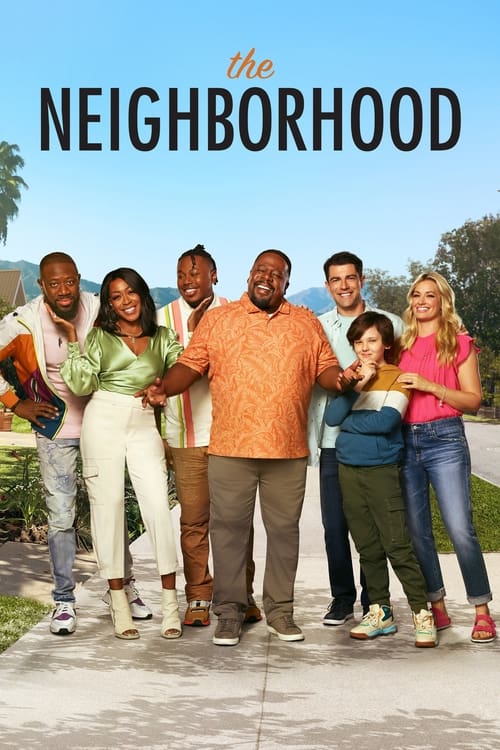
Dave Johnson, played by Max Greenfield, faces several challenges when he and his family move into a predominantly African American neighborhood in Pasadena, California. His earnest attempts to fit in often lead to awkward situations, particularly with his neighbor Calvin Butler, portrayed by Cedric the Entertainer. Dave's naivety and overzealousness to be accepted create comedic tension, as he navigates cultural differences and misunderstandings.
How does Calvin's relationship with his family evolve throughout the series?
Calvin Butler, the patriarch of the Butler family, experiences growth in his relationships with his wife, Tina, and their children, Marty and Gemma. Throughout the series, Calvin learns to balance his traditional values with the modern challenges his family faces. His interactions often highlight his protective nature, but he also shows vulnerability as he adapts to the changing dynamics of his household and the influence of his new neighbors.
What role does the character of Gemma play in the Johnson family's integration into the neighborhood?
Gemma Johnson, played by Beth Behrs, plays a crucial role in her family's integration into the neighborhood. Her open-mindedness and willingness to engage with the Butler family help bridge the cultural gap. Gemma often acts as a mediator between Dave's awkwardness and Calvin's skepticism, showcasing her adaptability and desire for community connection, which ultimately fosters a friendship between the two families.
How does the character of Marty contribute to the comedic elements of the show?
Marty, portrayed by Marcel Spears, is Calvin's younger brother who often provides comic relief through his laid-back attitude and humorous observations. His interactions with both the Butler and Johnson families highlight the generational differences and cultural nuances, often leading to laugh-out-loud moments. Marty's carefree demeanor contrasts with Calvin's more serious approach to life, creating a dynamic that enhances the show's comedic elements.
What specific incidents highlight the cultural misunderstandings between the Johnsons and the Butlers?
Several incidents throughout the series highlight the cultural misunderstandings between the Johnsons and the Butlers. One notable example occurs when Dave attempts to host a barbecue, leading to a series of miscommunications about food preferences and social customs. Another incident involves a neighborhood block party where Dave's eagerness to participate clashes with Calvin's more reserved approach, resulting in humorous yet poignant moments that underscore their differing backgrounds.
Is this family friendly?
"The Neighborhood" is generally considered a family-friendly show, focusing on themes of community, friendship, and cultural differences. However, there are a few aspects that might be considered objectionable or upsetting for children or sensitive viewers:
-
Cultural Stereotypes: The show often addresses racial and cultural differences, which can lead to discussions that some may find uncomfortable or sensitive.
-
Mild Language: There are instances of mild profanity and slang that may not be suitable for younger audiences.
-
Conflict and Disagreements: The characters sometimes engage in heated arguments or misunderstandings that could be distressing for younger viewers, though these are typically resolved in a comedic manner.
-
Social Issues: The show touches on social issues such as gentrification and community dynamics, which may require parental guidance for younger viewers to fully understand.
-
Romantic Relationships: There are references to adult relationships and dating that may not be appropriate for very young children.
Overall, while the show is light-hearted and comedic, parents may want to preview episodes to determine their suitability for their children.