














Popular
What are the main conflicts faced by the Krejzovi family throughout the series?
How does the character of Jiri Krejza evolve over the course of the series?
What role does the character of Eva play in the family dynamics?
How do the children of the Krejzovi family contribute to the plot development?
What significant events lead to the turning points in the Krejzovi family's story?
Should I watch it?
Ask Your Own Question

What is the plot?
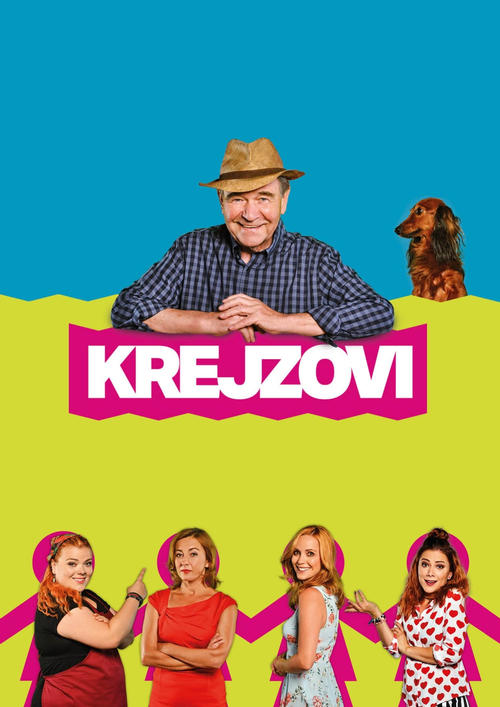
Krejzovi opens with the Krejz family, a dysfunctional yet loving family living in a suburban neighborhood. The patriarch, Jiri Krejza, is a well-meaning but often clueless father who struggles to connect with his children. His wife, Eva, is the more pragmatic and organized member of the household, often trying to keep the family together amidst their chaotic lives. The couple has three children: the rebellious teenager, the ambitious middle child, and the youngest who is often overlooked.
The story begins to unfold as the family prepares for a significant event: the eldest son, Jakub, is about to graduate from high school. The family is excited but also anxious about the future. Jakub feels the pressure of expectations from his parents, particularly from his father, who dreams of him pursuing a prestigious career. This pressure leads to tension between Jakub and Jiri, as Jakub desires to follow his own path, which does not align with his father's dreams.
As graduation day approaches, the family dynamics become more strained. Jakub confides in his mother, Eva, about his desire to take a gap year to travel and explore his interests, rather than immediately attending university. Eva is sympathetic but feels caught between supporting her son and appeasing her husband. This internal conflict creates a rift in the family, as Jiri remains adamant about Jakub's academic future.
On the day of graduation, the family attends the ceremony, where emotions run high. Jakub delivers a heartfelt speech that reflects his struggles and aspirations, which resonates with many in the audience. However, Jiri's reaction is mixed; he is proud yet disappointed, leading to a confrontation after the ceremony. The argument escalates, revealing deep-seated frustrations and misunderstandings between father and son.
Following the graduation, Jakub decides to take a road trip with his friends, seeking independence and a break from family expectations. This decision is met with resistance from Jiri, who believes Jakub is making a mistake. The tension culminates in a heated argument where Jakub asserts his need for freedom, while Jiri insists on the importance of responsibility. Ultimately, Jakub leaves, determined to carve out his own identity.
Meanwhile, the middle child, Tereza, grapples with her own issues of self-worth and the desire to be recognized by her parents. She feels overshadowed by Jakub's achievements and struggles to find her place within the family. Tereza begins to act out, seeking attention in unhealthy ways, which further complicates the family dynamics. Eva tries to reach out to her, but Tereza pushes her away, feeling misunderstood.
As the summer progresses, the Krejz family faces various challenges that test their bonds. Jiri attempts to reconnect with Jakub through phone calls, but Jakub remains distant, enjoying his newfound freedom. Eva, on the other hand, tries to maintain peace at home while dealing with Tereza's rebellious behavior. The youngest child, who often feels neglected, begins to act out as well, seeking attention in any way possible.
The turning point comes when Jakub returns home unexpectedly after a month away. He is visibly changed, having gained new perspectives from his travels. However, the reunion is tense; Jiri is still upset about Jakub's choices, while Jakub feels judged and unappreciated. They have a heart-to-heart conversation where Jakub expresses his desire to pursue his passions, and Jiri begins to understand his son's perspective, albeit reluctantly.
In the climax of the story, the family is forced to confront their issues during a family gathering. Old grievances surface, leading to an emotional confrontation where each member expresses their feelings of inadequacy and misunderstanding. This cathartic moment allows them to see each other's perspectives, fostering a sense of empathy and connection.
The resolution sees the Krejz family beginning to heal. Jiri learns to support Jakub's choices, while Jakub acknowledges the importance of family. Tereza finds her voice and begins to pursue her own interests, and the youngest child finally feels seen and heard. The family comes together for a final scene, sharing a meal and laughter, symbolizing their renewed bond and commitment to understanding one another. The series ends on a hopeful note, suggesting that while challenges remain, the Krejz family is ready to face them together.




What is the ending?
In the ending of "Krejzovi," the family faces the consequences of their actions, leading to a resolution that highlights their individual growth and the dynamics of their relationships. The series concludes with a sense of closure for the characters, as they confront their past mistakes and look toward the future.
As the final episodes unfold, the Krejz family finds themselves at a crossroads. The tension that has built up throughout the series reaches its peak when the family members gather for a crucial meeting. The atmosphere is thick with unspoken words and unresolved conflicts. Each character is visibly affected by the weight of their choices, and the emotional stakes are high.
In a pivotal scene, the father, Jiri, stands up to address the family. His voice trembles with a mix of authority and vulnerability as he acknowledges the mistakes he has made in trying to control the family's direction. He expresses regret for not listening to his children and for prioritizing his ambitions over their happiness. This moment of honesty resonates deeply with the family, and the tension begins to dissipate.
Next, the eldest daughter, Petra, shares her own struggles. She reveals how the pressure to succeed has taken a toll on her mental health. Her confession is raw and emotional, and it prompts her younger brother, Tomas, to open up about his feelings of inadequacy and the burden of living up to the family's expectations. The siblings' vulnerability creates a powerful moment of connection, and they begin to understand each other on a deeper level.
As the family continues to talk, the mother, Eva, steps in with her perspective. She reflects on her role in the family dynamics and admits that she often felt overshadowed by her husband's ambitions. Her words bring a new layer of understanding to the family's struggles, and the atmosphere shifts from one of blame to one of empathy.
In the climax of the episode, the family decides to take a collective step forward. They agree to support each other's dreams and aspirations, rather than competing against one another. This decision marks a significant turning point for the Krejz family, as they begin to prioritize their relationships over individual ambitions.
The series concludes with a montage of the family members pursuing their passions. Jiri is seen taking a step back from his career to spend more time with his family, while Petra enrolls in a program that aligns with her true interests. Tomas finds his own path, exploring his creativity without the pressure of expectations. Eva, too, begins to rediscover her own identity outside of her role as a mother and wife.
The final scene captures the family gathered together, sharing a meal and laughter. The warmth of their connection is palpable, and the camera lingers on their smiles, signifying a newfound harmony. The ending leaves viewers with a sense of hope, as the Krejz family embraces their imperfections and commits to supporting one another in their journeys ahead. Each character has grown, and the resolution emphasizes the importance of communication, understanding, and love within a family.
Is there a post-credit scene?
In the TV show "Krejzovi," produced in 2018, there is indeed a post-credit scene that adds a humorous twist to the series' conclusion.
As the credits roll, the scene opens in the familiar setting of the Krejz family living room, where the chaos of their daily life is palpable. The camera pans across the room, showcasing the remnants of a family gathering: half-eaten snacks, scattered toys, and a television still flickering with the last moments of a sitcom.
Suddenly, the door swings open, and the character of Jindřich, the father, enters, looking disheveled and slightly out of breath. He carries a large, colorful piñata shaped like a cartoon character, which he struggles to maneuver through the doorway. His face is a mix of excitement and exhaustion, hinting at the chaotic events that likely transpired outside.
As he sets the piñata down, he calls out to his family, who are still off-screen. "You won't believe what I found at the store!" he exclaims, his voice filled with childlike enthusiasm. Just then, his wife, the ever-practical and slightly exasperated character of Eva, walks in, rolling her eyes at the sight of the piñata.
"Jindřich, we talked about this. No more surprises!" she says, her tone a blend of annoyance and affection. The children, however, hear the commotion and rush in, their eyes lighting up at the sight of the colorful piñata.
The scene culminates in a playful argument between Jindřich and Eva about the appropriateness of the piñata, while the children beg to have a party to break it open. The camera zooms in on Jindřich's face, which is filled with a mix of determination and mischief, as he declares, "We're having a piñata party, whether you like it or not!"
The scene ends with laughter echoing in the background, leaving viewers with a warm, light-hearted feeling, encapsulating the essence of the Krejz family dynamic. This post-credit moment serves as a delightful reminder of the show's comedic tone and the enduring chaos of family life.
What are the main conflicts faced by the Krejzovi family throughout the series?
The Krejzovi family faces numerous conflicts, primarily revolving around their financial struggles and the challenges of maintaining their family business. The patriarch, Jiri, is often torn between his desire to uphold family traditions and the need to adapt to modern business practices. Tensions arise between family members as they navigate personal ambitions, romantic relationships, and the pressure of societal expectations.
How does the character of Jiri Krejza evolve over the course of the series?
Jiri Krejza starts as a traditionalist, deeply rooted in his family's values and business. As the series progresses, he grapples with the changing dynamics of his family and the business world. His internal conflict is palpable as he struggles to balance his love for his family with the need to innovate. By the end of the series, Jiri shows significant growth, learning to embrace change while still cherishing his family's legacy.
What role does the character of Eva play in the family dynamics?
Eva, Jiri's wife, serves as the emotional anchor of the Krejzovi family. She often mediates conflicts between family members and provides support during tough times. Her character is marked by resilience and a deep sense of loyalty, but she also faces her own challenges, including feelings of being overshadowed by her husband's ambitions. Eva's journey reflects her struggle for recognition and her desire to maintain harmony within the family.
How do the children of the Krejzovi family contribute to the plot development?
The Krejzovi children each bring their own aspirations and conflicts to the story. The eldest son, who is eager to take over the family business, often clashes with Jiri over differing visions for the future. The daughter, seeking independence, challenges traditional gender roles, creating tension with her parents. Their individual story arcs intertwine with the family's struggles, driving the narrative forward and highlighting generational differences.
What significant events lead to the turning points in the Krejzovi family's story?
Key turning points in the Krejzovi family's story include a financial crisis that threatens their business, a scandal involving one of the children that tests family loyalty, and a pivotal family meeting where long-held grievances are aired. These events force the characters to confront their issues, leading to moments of growth, reconciliation, and sometimes, deeper divides within the family.
Is this family friendly?
"Krejzovi," produced in 2018, is a family-oriented sitcom that revolves around the dynamics of a quirky family living in a small town. While the show is generally light-hearted and comedic, there are a few aspects that might be considered objectionable or upsetting for children or sensitive viewers:
-
Mild Language: The show occasionally features mild swearing or slang that may not be suitable for younger audiences.
-
Family Conflicts: There are scenes depicting typical family disagreements and misunderstandings, which could be emotionally charged for sensitive viewers.
-
Social Issues: Some episodes touch on themes of social acceptance, bullying, or peer pressure, which might resonate deeply with children and could evoke strong emotions.
-
Romantic Subplots: There are light romantic elements that may include awkward situations or misunderstandings, which could be uncomfortable for younger viewers.
-
Physical Comedy: The show employs physical humor that sometimes results in characters getting hurt or embarrassed, which might be distressing for some children.
Overall, while "Krejzovi" is designed to be entertaining for families, these elements may require parental discretion depending on the sensitivity of the viewers.







