











Popular
What is the relationship between the main character, Inspector Karel, and his assistant, Officer Šebek?
How does the character of the local doctor, Dr. Havel, influence the investigation in the series?
What are the main conflicts that arise between the police and the local community in Luhačovice?
How does the character of the mayor, Mr. Novák, impact the police investigations?
What role does the historical backdrop of Luhačovice play in shaping the characters' motivations?
Should I watch it?
Ask Your Own Question

What is the plot?
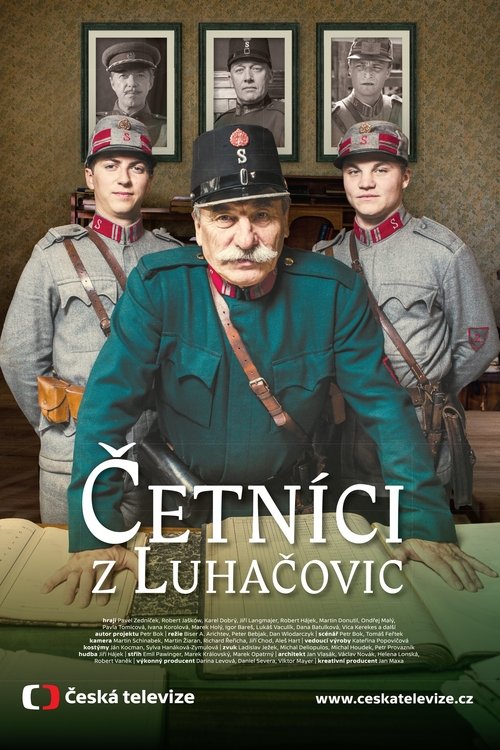
In the small town of Luhačovice, the story begins with the arrival of a new police officer, Lieutenant František Kříž, who is eager to prove himself. He is introduced to his colleagues, including the seasoned officer, Sergeant Jan Šebek, who is skeptical of Kříž's abilities. The town is preparing for a local festival, and the atmosphere is lively, but tensions simmer beneath the surface as rumors of a series of thefts circulate.
As the festival approaches, Kříž and Šebek are called to investigate a break-in at a local shop. They find that valuable items have been stolen, and the shopkeeper is distraught. Kříž takes the lead in the investigation, interviewing witnesses and gathering evidence. He discovers that a suspicious figure was seen near the shop on the night of the theft. This leads them to a local troublemaker, who has a history of petty crime.
The investigation takes a turn when another theft occurs, this time at a nearby hotel. Kříž and Šebek rush to the scene, where they find a guest who claims to have seen a man fleeing the hotel. They interview the hotel staff and guests, piecing together a timeline of events. Kříž's determination to solve the case grows, and he begins to clash with Šebek, who believes they should focus on the more obvious suspects.
As they dig deeper, Kříž uncovers a connection between the thefts and a group of outsiders who have recently arrived in town. He suspects that they are involved in a larger scheme, possibly linked to organized crime. Kříž's instincts push him to confront the outsiders, but Šebek advises caution, fearing that they may be overstepping their bounds.
Tensions escalate when a local resident is found injured after a confrontation with the outsiders. Kříž feels a sense of urgency to act, and he decides to stake out the outsiders' hideout. During the stakeout, they witness a meeting that confirms their suspicions about the group's involvement in the thefts. Kříž and Šebek gather enough evidence to warrant a raid.
The raid is tense and chaotic. Kříž leads the charge, and they encounter resistance from the outsiders. A fight breaks out, with officers struggling to subdue the criminals. Kříž's determination shines through as he confronts the leader of the group, leading to a dramatic showdown. After a fierce struggle, they manage to apprehend the criminals and recover the stolen items.
In the aftermath of the raid, Kříž is hailed as a hero, but he grapples with the emotional toll of the violence. Šebek acknowledges Kříž's skills and the two officers begin to form a stronger bond. The town celebrates the return of the stolen goods during the festival, and Kříž reflects on the challenges they faced.
As the festival concludes, Kříž receives a commendation for his bravery. However, he remains aware that the peace in Luhačovice is fragile, and he is determined to protect the town from future threats. The story ends with Kříž looking out over the town, ready to face whatever challenges may come next.








What is the ending?
In the ending of "Četníci z Luhačovic," the main characters confront the final challenges of their investigation, leading to a resolution of the central conflict. The story wraps up with the characters reflecting on their experiences and the bonds they have formed, ultimately finding closure in their personal and professional lives.
As the final episode unfolds, the tension escalates in Luhačovice. The local police, led by the determined and principled character, are on the brink of solving a series of mysterious events that have plagued the town. The investigation reaches a climax when they uncover the true motives behind the crimes, revealing a web of deceit that has affected the community deeply.
Scene by scene, the narrative begins with the police station bustling with activity. The officers are piecing together clues, their faces etched with determination and fatigue. The lead investigator, grappling with the weight of responsibility, feels the pressure mounting as the townspeople look to them for answers.
In the next scene, the team gathers for a meeting, where they share their findings. The atmosphere is tense, filled with a mix of hope and anxiety. Each character expresses their fears and aspirations, showcasing their individual motivations. The camaraderie among the officers is palpable, highlighting their commitment to each other and their duty.
As they close in on the suspect, the tension reaches a boiling point. A dramatic confrontation ensues, where the lead investigator faces off against the antagonist. The stakes are high, and the emotional turmoil is evident on the investigator's face as they grapple with the moral implications of their choices. The scene is charged with adrenaline, underscoring the personal stakes involved.
Following the confrontation, the resolution begins to unfold. The antagonist is apprehended, and the community breathes a collective sigh of relief. The officers, though weary, share a moment of triumph, their bond strengthened by the trials they have faced together. They reflect on the importance of justice and the impact of their work on the lives of the townspeople.
In the final scenes, each main character is given a moment to shine. The lead investigator, now more resolute and confident, contemplates their future in law enforcement, realizing the importance of their role in the community. Another officer, who has struggled with self-doubt, finds a renewed sense of purpose, vowing to continue fighting for justice. The team shares a heartfelt farewell, acknowledging the challenges ahead but also the strength they have gained from their experiences.
As the credits roll, the audience is left with a sense of closure. The characters have grown, their arcs completed, and the town of Luhačovice is left in a state of healing, ready to move forward. Each character's fate is intertwined with the resolution of the conflict, emphasizing the themes of resilience, community, and the pursuit of justice.
Is there a post-credit scene?
In the 2017 series "Četníci z Luhačovic," there is no post-credit scene. The episodes conclude without any additional content after the credits roll. The focus remains on the narrative and character development throughout the episodes, with each story wrapping up within the main storyline. The series emphasizes the lives and challenges of the police officers in the picturesque town of Luhačovice, leaving viewers with a sense of closure at the end of each episode.
What is the relationship between the main character, Inspector Karel, and his assistant, Officer Šebek?
Inspector Karel and Officer Šebek share a complex relationship characterized by mutual respect and camaraderie. Karel often acts as a mentor to Šebek, guiding him through the intricacies of police work while also relying on Šebek's youthful energy and fresh perspective. Their dynamic is tested throughout the series as they face various challenges, but ultimately, they develop a strong bond that enhances their effectiveness as a team.
How does the character of the local doctor, Dr. Havel, influence the investigation in the series?
Dr. Havel plays a crucial role in the investigations, often providing vital medical insights that help the police understand the circumstances surrounding the crimes. His character is portrayed as compassionate yet conflicted, as he grapples with the moral implications of his findings. His interactions with the police reveal his dedication to justice, but also his frustration with the limitations of the legal system.
What are the main conflicts that arise between the police and the local community in Luhačovice?
The series highlights several conflicts between the police and the local community, primarily stemming from mistrust and differing priorities. Residents often feel that the police are intruding on their lives, especially when investigations disrupt the peace of the town. This tension is exacerbated by the police's attempts to solve crimes that locals believe should be handled privately, leading to confrontations that test the officers' resolve and understanding of community dynamics.
How does the character of the mayor, Mr. Novák, impact the police investigations?
Mr. Novák, the mayor, is portrayed as a politically savvy yet morally ambiguous character. His influence on the police investigations is significant, as he often pressures Inspector Karel to prioritize cases that align with his political interests. This creates a tension between Karel's commitment to justice and Novák's desire to maintain a positive public image, leading to ethical dilemmas that challenge Karel's integrity throughout the series.
What role does the historical backdrop of Luhačovice play in shaping the characters' motivations?
The historical backdrop of Luhačovice, known for its spa culture and rich history, deeply influences the characters' motivations and actions. The town's picturesque setting contrasts with the dark events that unfold, creating a sense of irony. Characters like Inspector Karel are often seen reflecting on the town's past, which shapes their understanding of justice and community. The historical context also serves as a reminder of the town's traditions, which some characters are eager to uphold while others seek change.
Is this family friendly?
"Četníci z Luhačovic," produced in 2017, is a crime drama series set in the 1930s, focusing on the lives of police officers in a small town. While the show is generally suitable for a family audience, there are some elements that may be considered objectionable or upsetting for children or sensitive viewers.
-
Crime and Violence: The series involves investigations into various crimes, including murder, which may include scenes depicting violence or the aftermath of violent acts.
-
Mature Themes: The show explores themes such as corruption, betrayal, and moral dilemmas, which may be complex for younger viewers to understand.
-
Emotional Distress: Characters often face emotional turmoil, including grief and loss, which could be distressing for sensitive viewers.
-
Historical Context: The setting in the 1930s may include references to societal issues of the time, such as class struggles and political tensions, which might be challenging for younger audiences to grasp fully.
-
Language and Behavior: There may be instances of strong language or behavior that reflects the period's attitudes, which could be inappropriate for children.
Overall, while the show has engaging storytelling and character development, parents may want to consider these aspects when deciding if it is appropriate for younger viewers.









