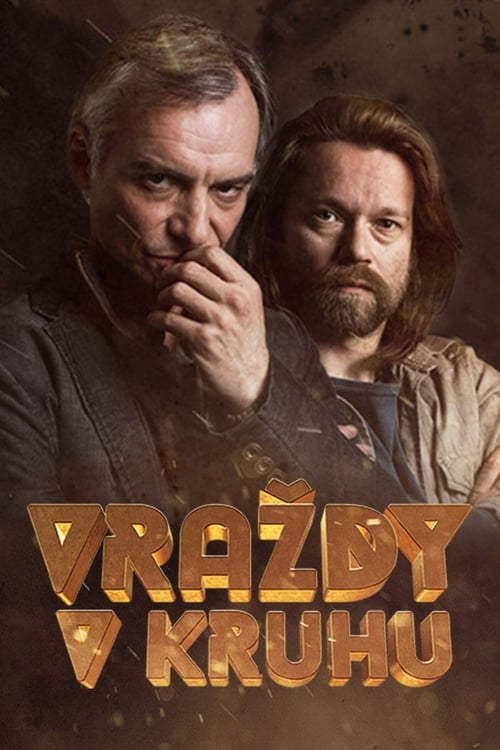





Popular
What role does the small town setting play in the unfolding of the plot?
Who is the main detective in Vraždy v kruhu and what drives their investigation?
What is the significance of the circle in the title Vraždy v kruhu?
How does the character of Eva influence the investigation?
What are the motivations behind the murders in Vraždy v kruhu?
Should I watch it?
Ask Your Own Question

What is the plot?
In the small town of Kamenice, a group of friends gathers for a reunion at a remote cabin. The atmosphere is initially light-hearted, filled with laughter and nostalgia as they reminisce about their past. However, the mood shifts when they discover that one of their own, a woman named Klara, is missing. Concerned, they split up to search for her, calling out her name and scouring the surrounding woods.
As night falls, the group becomes increasingly anxious. They find Klara's belongings scattered near a nearby lake, which heightens their fear. Tensions rise as accusations begin to fly among the friends, with each person questioning the others' loyalty and intentions. The group decides to call the police, but their phones have no signal, leaving them feeling isolated and vulnerable.
The next day, the friends continue their search, but they are met with a shocking discovery: Klara's body is found in the woods, leading to panic and despair. The police are finally contacted, and a detective named Marek arrives to investigate the scene. He begins to question each of the friends, probing into their relationships and past grievances. The friends are on edge, fearing that one of them may be the murderer.
As the investigation unfolds, Marek uncovers secrets among the group. It is revealed that Klara had been involved in a love triangle with two of her friends, which adds layers of complexity to the case. Each character's motivations come into play, with jealousy and betrayal surfacing as they confront their feelings about Klara and each other.
Marek's investigation leads him to discover that Klara had been planning to leave the group behind, which angers some of her friends. This revelation causes further rifts, and the group begins to fracture under the weight of suspicion. They start to turn on one another, with accusations flying and alliances forming and breaking.
In a pivotal moment, one of the friends, Jiri, confesses to having seen Klara arguing with another friend, Eva, the night she disappeared. This revelation shifts the focus of the investigation, and Marek begins to suspect Eva. However, Eva vehemently denies any involvement, claiming she was with another friend, Tomas, at the time.
As the investigation deepens, Marek uncovers a series of lies and alibis that complicate the case further. He finds evidence that suggests Klara had been blackmailing some of her friends, which provides a motive for murder. The tension escalates as the friends confront each other about their secrets, leading to explosive arguments and emotional breakdowns.
In a climactic confrontation, the group gathers to confront their fears and suspicions. They decide to hold a vote to determine who they believe is responsible for Klara's death. The atmosphere is charged with anger and fear as accusations fly, and the friends are forced to confront their darkest secrets.
Ultimately, the truth is revealed when Marek pieces together the evidence. It turns out that Klara's death was an accident, caused by a struggle between her and one of her friends during a heated argument. The friend, overwhelmed by guilt and fear, had hidden the body in a panic. This revelation brings a mix of relief and sorrow to the group, as they grapple with the consequences of their actions and the loss of their friend.
The series concludes with the friends facing the aftermath of the tragedy, their relationships forever altered. They are left to deal with the emotional fallout and the haunting memories of that fateful night, as they come to terms with the reality of their friendship and the fragility of life.

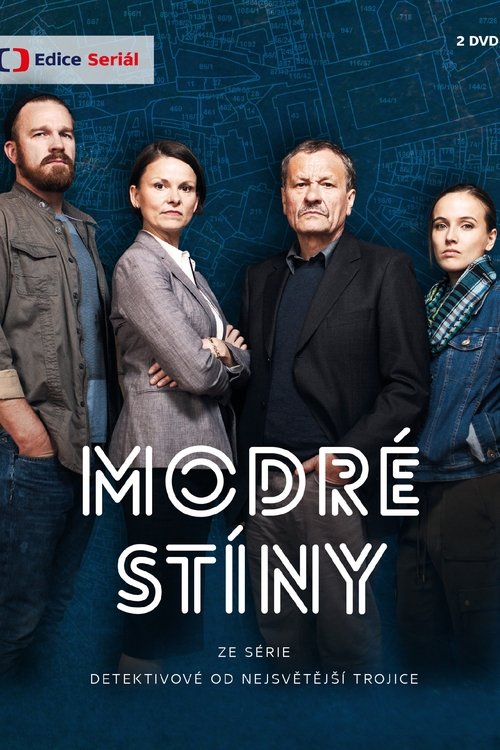

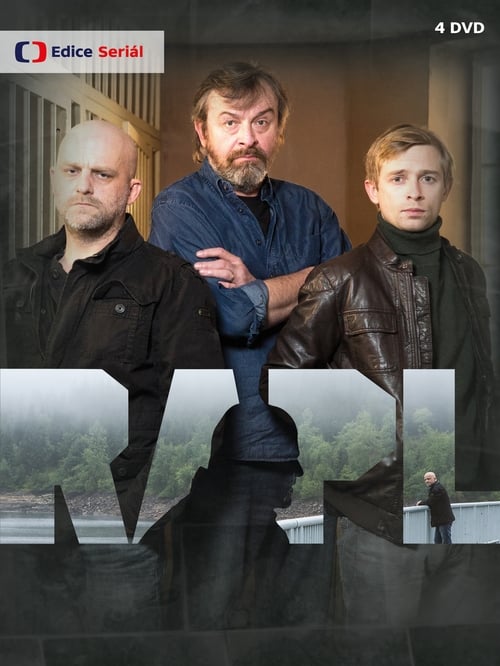

What is the ending?
In the ending of "Vraždy v kruhu," the investigation reaches a climax as the truth behind the murders is revealed. The main characters confront their pasts and the connections that bind them. The murderer is unmasked, leading to a tense resolution that leaves the community shaken. The fates of the main characters are intertwined with the resolution of the case, leading to a mix of closure and lingering questions.
As the final episode unfolds, the scene opens in the dimly lit interrogation room of the local police station. Detective Marek, weary yet determined, sits across from a suspect, his brow furrowed in concentration. The atmosphere is thick with tension as Marek pushes for answers, his voice steady but laced with urgency. The suspect, visibly shaken, begins to unravel, revealing a web of deceit and betrayal that has plagued the small community.
Cut to a flashback sequence, where we see the key events leading up to the murders. The camera pans over the picturesque village, juxtaposing its serene exterior with the dark secrets hidden beneath. We witness the relationships between the main characters--friends turned adversaries, lovers torn apart by jealousy, and the haunting memories that bind them. Each character's internal struggles are laid bare, showcasing their motivations and fears.
Back in the present, the investigation takes a dramatic turn as Marek pieces together the clues. He gathers his team, including his partner, who has been a steadfast ally throughout the case. They discuss the implications of the revelations, their faces etched with concern as they realize the murderer is someone they never suspected. The stakes are raised as they race against time to prevent another tragedy.
In a pivotal scene, the detectives confront the murderer in a tense standoff. The location is a secluded area that holds significance for the characters, a place where past traumas resurface. The murderer, cornered and desperate, reveals their twisted rationale, shedding light on the motivations that drove them to commit such heinous acts. The emotional weight of the confrontation is palpable, as the characters grapple with their own complicity in the events that unfolded.
As the dust settles, the community begins to heal. The final scenes depict the aftermath of the investigation. Marek stands at the edge of the village, reflecting on the toll the case has taken on him and his colleagues. His expression is a mix of relief and sorrow, knowing that while justice has been served, the scars of the past will linger.
The fates of the main characters are revealed in the closing moments. Marek, having faced his demons, finds a renewed sense of purpose in his work. His partner, who has been a source of strength, contemplates their future together, hinting at a potential reconciliation. Other characters, affected by the revelations, begin to rebuild their lives, though the shadows of their pasts remain.
The series concludes with a poignant reminder of the complexities of human relationships and the impact of unresolved conflicts. The camera pulls away from the village, leaving viewers with a sense of both closure and the understanding that some stories are never truly finished.
Is there a post-credit scene?
In the TV show "Vraždy v kruhu," produced in 2015, there is no post-credit scene. The series concludes its episodes without any additional scenes after the credits roll. Each episode wraps up the central mystery, focusing on the resolution of the case at hand, and the narrative does not extend into a post-credit sequence. The emphasis remains on the unfolding drama and the emotional arcs of the characters throughout the main storyline.
What role does the small town setting play in the unfolding of the plot?
The small town setting in Vraždy v kruhu is integral to the plot, as it creates an atmosphere of claustrophobia and suspicion. The close-knit community harbors secrets, and the isolation amplifies the tension as residents become increasingly paranoid about the identity of the killer among them.
Who is the main detective in Vraždy v kruhu and what drives their investigation?
The main detective in Vraždy v kruhu is Detective Janek, whose relentless pursuit of justice is fueled by a personal tragedy that haunts him. His emotional state is often conflicted, as he grapples with the weight of his past while trying to solve the complex murder cases that unfold.
What is the significance of the circle in the title Vraždy v kruhu?
The circle in Vraždy v kruhu symbolizes the interconnectedness of the characters and the cyclical nature of violence and crime in the community. As the investigation progresses, it becomes clear that the murders are not isolated incidents but part of a larger, more sinister pattern that ties the characters together.
How does the character of Eva influence the investigation?
Eva, a key character in Vraždy v kruhu, serves as both a witness and a source of emotional turmoil for Detective Janek. Her insights into the victims' lives provide crucial leads, but her own struggles with fear and trauma complicate her involvement, creating a tense dynamic that affects Janek's focus and determination.
What are the motivations behind the murders in Vraždy v kruhu?
The motivations behind the murders in Vraždy v kruhu are deeply rooted in personal vendettas, hidden pasts, and the desire for revenge. As Detective Janek delves deeper into the lives of the victims and suspects, he uncovers a web of betrayal and unresolved conflicts that drive the violent acts.
Is this family friendly?
"Vraždy v kruhu," produced in 2015, is a crime drama that delves into the darker aspects of human nature and societal issues. While it presents a compelling narrative, it may not be considered family-friendly due to several potentially objectionable or upsetting elements.
-
Violent Crime Scenes: The show features graphic depictions of murder and violence, which may be disturbing for younger viewers or sensitive individuals.
-
Mature Themes: The series explores themes such as betrayal, revenge, and moral ambiguity, which can be complex and unsettling.
-
Emotional Turmoil: Characters often experience intense emotional distress, including grief, anger, and despair, which may be heavy for children to process.
-
Dark Atmosphere: The overall tone of the show is somber and tense, with a focus on the psychological impact of crime, which might be unsettling.
-
Adult Language and Situations: There are instances of strong language and adult situations that may not be appropriate for younger audiences.
These elements contribute to a narrative that is more suited for mature viewers who can handle the complexities and darker themes presented in the series.