












Popular
What motivates the character of Jiri in the series Čechovi?
How does the relationship between Jiri and his father evolve throughout the series?
What role does the family home play in the story of Čechovi?
How does the character of Eva influence Jiri's journey in the series?
What are the key conflicts that arise between Jiri and his siblings in Čechovi?
Should I watch it?
Ask Your Own Question

What is the plot?
The story begins with the Čechovi family, a seemingly ordinary Czech family living in a small town. The patriarch, Pavel Čech, is a hardworking man who runs a local bakery. His wife, Jana, is a devoted mother to their two children, teenage daughter Klara and young son Tomáš. The family appears to be content, but underlying tensions begin to surface as the narrative unfolds.
One day, while Pavel is at the bakery, he receives a call from his estranged brother, Martin, who has just been released from prison. Martin's return stirs up old family wounds, as Pavel had distanced himself from Martin due to his criminal past. Despite his reservations, Pavel agrees to meet Martin, hoping to mend their relationship for the sake of family unity.
At their meeting, Martin reveals that he is trying to turn his life around and seeks Pavel's support. However, Pavel is skeptical and struggles with feelings of betrayal and anger towards Martin. The conversation escalates when Martin mentions needing money to start anew, which leads to a heated argument. Pavel ultimately refuses to help, insisting that Martin must prove himself first.
Meanwhile, Klara, feeling the strain of her father's disapproval of Martin, secretly befriends her uncle. She is drawn to Martin's charisma and the stories he shares about his life experiences. This connection creates a rift between Klara and her father, as she begins to question her father's judgment and the family's values.
As the weeks pass, Martin's presence in town becomes more disruptive. He starts hanging around with a rough crowd, which worries Pavel. One night, after a confrontation with some of Martin's new friends, Pavel decides to confront Martin again. During this confrontation, Martin reveals that he is involved in a scheme to sell stolen goods, which he insists is a way to make quick money. Pavel is horrified and demands that Martin stay away from his family.
In a pivotal moment, Klara discovers that Martin is planning a big deal involving stolen electronics. Torn between her loyalty to her father and her bond with Martin, she decides to warn Pavel. However, when she tells him, Pavel dismisses her concerns, believing that Martin is trying to manipulate them. This dismissal deepens Klara's resentment towards her father.
The tension escalates when Martin's criminal activities catch the attention of the police. One evening, as the family is having dinner, they hear a commotion outside. The police arrive at their home, searching for Martin. In a panic, Martin hides in the family's basement, and Klara, feeling conflicted, decides to help him. She lies to the police, claiming she hasn't seen him, which infuriates Pavel.
As the police leave, the family is left in turmoil. Pavel confronts Klara about her actions, leading to a fierce argument where Klara accuses her father of being judgmental and closed-minded. This confrontation forces Pavel to reflect on his own choices and the impact they have had on his family.
In the following days, Martin's situation worsens as he becomes more desperate. He pressures Klara to help him with his plans, promising her a better life if she supports him. Klara, feeling trapped between her loyalty to her uncle and her father's values, begins to spiral into a world of deception and lies.
The climax occurs when Martin's plan goes awry during a deal gone wrong. The police raid the location, and Martin is arrested. In the chaos, Klara is caught in the crossfire, leading to a dramatic confrontation between her and Pavel. Klara blames her father for not understanding her and for pushing her towards Martin.
In the aftermath of Martin's arrest, the family is left to pick up the pieces. Pavel struggles with guilt over his decisions and the rift that has formed within the family. Klara, feeling betrayed by both her father and uncle, decides to leave home for a while to find her own path.
The series concludes with Pavel reflecting on the choices he made and the impact they had on his family. He realizes that he must work to rebuild trust with Klara and create a more open dialogue within the family. The final scene shows Pavel standing in front of the bakery, contemplating the future, while Klara is seen walking away, symbolizing the uncertain journey ahead for both of them.

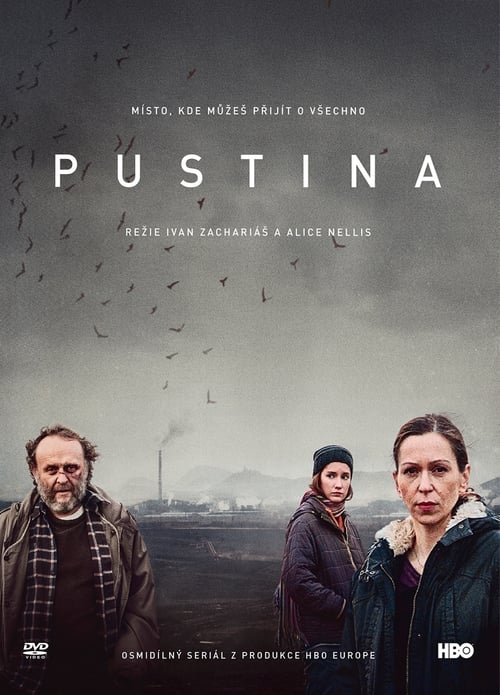







What is the ending?
In the ending of the TV show Čechovi, the family faces the consequences of their actions throughout the series. The tensions that have built up culminate in a dramatic confrontation, leading to a resolution that forces each character to confront their personal struggles and relationships. Ultimately, they find a way to reconcile their differences, but not without significant emotional turmoil and growth.
As the final episode unfolds, the scene opens in the family home, where the atmosphere is thick with unspoken words and unresolved conflicts. The camera pans across the living room, capturing the remnants of a family dinner that has turned sour. The characters are visibly tense, their faces reflecting a mix of frustration and sadness.
The patriarch, Jiří, stands by the window, looking out as if searching for answers in the night sky. His internal struggle is palpable; he grapples with feelings of inadequacy and the weight of his responsibilities. He turns to face his family, his voice trembling as he attempts to address the growing rift between them. His desire for unity clashes with the reality of their fractured relationships.
Meanwhile, his wife, Eva, sits at the dining table, her hands clasped tightly. She feels the burden of her own unfulfilled dreams and the sacrifices she has made for the family. As Jiří speaks, her eyes well up with tears, reflecting her longing for connection and understanding. She interrupts him, expressing her frustrations about feeling unheard and unappreciated. The tension escalates as their children, Markéta and Tomáš, join the conversation, each bringing their own grievances to the table.
Markéta, the eldest, reveals her feelings of being overshadowed by her brother, Tomáš, who has always been the favored child. Her voice shakes with emotion as she recounts moments where she felt invisible. Tomáš, defensive and hurt, counters her accusations, leading to a heated exchange that exposes the deep-seated rivalries and misunderstandings within the family.
As the argument reaches a boiling point, Jiří steps in, his voice rising above the chaos. He implores them to remember the love that binds them, urging them to find a way to communicate without anger. The room falls silent, and for a moment, the weight of their shared history hangs in the air.
In a pivotal moment, Eva stands up, her resolve strengthening. She shares a heartfelt story from their past, a memory that once brought them joy. This nostalgic recollection serves as a catalyst, prompting the family to reflect on their shared experiences and the love that still exists beneath the surface of their conflicts.
Gradually, the atmosphere shifts. The characters begin to lower their defenses, and one by one, they express their vulnerabilities. Jiří admits his fears of failing as a father, while Markéta and Tomáš acknowledge their insecurities and the pressures they feel. The emotional release is cathartic, and tears are shed as they embrace one another, signaling a tentative reconciliation.
The final scene takes place outside the family home, where the sun rises, casting a warm glow over the landscape. The family stands together, united in their imperfections and renewed commitment to one another. They share a quiet moment of reflection, understanding that while their journey is far from over, they are willing to face the challenges ahead together.
As the credits roll, viewers are left with a sense of hope and the understanding that family bonds, though tested, can endure through love, communication, and the willingness to confront one's own shortcomings. Each character has grown, learning the importance of empathy and connection, setting the stage for a new chapter in their lives.
Is there a post-credit scene?
In the 2019 TV show "Čechovi," there is indeed a post-credit scene that adds an intriguing layer to the narrative.
As the credits roll, the screen fades to black before transitioning to a dimly lit room filled with the remnants of a family gathering. The camera pans slowly across the table, littered with empty glasses and half-eaten dishes, suggesting a recent celebration. The atmosphere is heavy with a mix of nostalgia and unresolved tension.
Suddenly, the door creaks open, and a figure steps inside. It's the eldest son, who had been grappling with his identity and familial expectations throughout the series. His expression is a blend of determination and uncertainty. He glances around the room, taking in the remnants of the evening, and his gaze lingers on a family photo hanging on the wall, capturing a moment of joy from years past.
In a moment of introspection, he picks up a glass from the table, swirling the remnants of a drink, lost in thought. The camera zooms in on his face, revealing a flicker of resolve as he mutters to himself about making a change, hinting at a potential new direction for his life.
Just as he sets the glass down, the sound of laughter echoes from outside, pulling him back to reality. He takes a deep breath, straightens his posture, and walks toward the door, ready to confront whatever awaits him outside. The scene fades to black, leaving viewers with a sense of anticipation for his next steps and the future of the family dynamics.
This post-credit scene encapsulates the themes of growth and the struggle for personal identity that permeate the series, while also setting the stage for potential developments in a possible continuation of the story.
What motivates the character of Jiri in the series Čechovi?
Jiri is driven by a deep desire to reconnect with his estranged family, particularly his father, who he feels has never accepted him. This longing for familial acceptance fuels his actions throughout the series, leading him to confront painful memories and unresolved conflicts.
How does the relationship between Jiri and his father evolve throughout the series?
Initially, Jiri's relationship with his father is strained and filled with resentment. As the series progresses, they are forced to confront their past, leading to moments of vulnerability and understanding. This evolution is marked by intense emotional exchanges, where both characters reveal their fears and regrets, ultimately paving the way for reconciliation.
What role does the family home play in the story of Čechovi?
The family home serves as a central symbol in Čechovi, representing both the comfort of childhood memories and the weight of unresolved family issues. It is within these walls that key confrontations and revelations occur, highlighting the characters' struggles with their past and their attempts to forge a new future.
How does the character of Eva influence Jiri's journey in the series?
Eva acts as a catalyst for Jiri's transformation, providing emotional support and challenging him to confront his fears. Her unwavering belief in the possibility of healing encourages Jiri to take risks in mending his family relationships, ultimately leading him to a deeper understanding of himself and his place within the family.
What are the key conflicts that arise between Jiri and his siblings in Čechovi?
The conflicts between Jiri and his siblings stem from long-standing rivalries and differing perspectives on their family's past. These tensions are exacerbated by their individual struggles with identity and loyalty, leading to heated arguments and moments of betrayal, but also opportunities for growth and reconciliation as they navigate their shared history.
Is this family friendly?
"Čechovi," produced in 2019, is a family drama that explores the dynamics of a Czech family. While it contains many heartwarming moments, there are several aspects that may be considered objectionable or upsetting for children or sensitive viewers.
-
Family Conflicts: The show delves into various family disputes and tensions, which can be emotionally charged and may depict arguments that could be distressing for younger viewers.
-
Personal Struggles: Characters face personal challenges, including issues related to mental health, which are portrayed with depth but may be heavy for sensitive audiences.
-
Loss and Grief: Themes of loss are present, with characters dealing with the death of loved ones or significant life changes, which can evoke strong emotions.
-
Societal Issues: The series touches on societal pressures and expectations, which may include scenes that reflect discrimination or social struggles, potentially leading to uncomfortable discussions.
-
Romantic Relationships: There are elements of romantic relationships that may include mature themes, such as infidelity or heartbreak, which might not be suitable for younger viewers.
Overall, while "Čechovi" offers valuable life lessons and emotional depth, its exploration of complex family dynamics and personal issues may require parental guidance for younger audiences.