








Popular
What motivates the main character, Karel, throughout the series?
How does the character of Anna influence the events of the story?
What role does the historical context play in shaping the characters' actions?
How does the relationship between Karel and his mentor evolve throughout the series?
What are the key turning points in the investigation that Karel leads?
Should I watch it?
Ask Your Own Question

What is the plot?
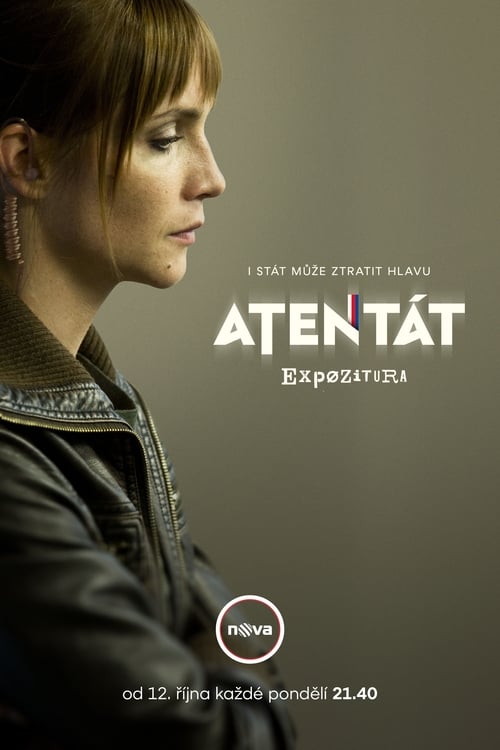
In the opening scene of "Atentát," we are introduced to the historical context of the assassination of Reinhard Heydrich, a high-ranking Nazi official during World War II. The narrative begins in 1941, showcasing the tense atmosphere in Prague under Nazi occupation. The audience sees the fear and oppression faced by the Czech people, setting the stage for the resistance movement.
The story shifts to a group of Czech resistance fighters, including Jozef Gabčík and Jan Kubiš, who are tasked with the mission to assassinate Heydrich. They are trained in England and receive support from the British government. The emotional weight of their mission is palpable as they grapple with the implications of their actions, knowing that failure could lead to severe repercussions for their families and fellow countrymen.
As the plot progresses, Gabčík and Kubiš return to Prague, where they begin to gather intelligence on Heydrich's daily routines. They observe his movements, noting the routes he takes to and from work. The tension builds as they prepare for the assassination, with scenes depicting their camaraderie and the weight of their mission weighing heavily on them. The audience witnesses their internal struggles, fears, and determination to succeed.
The day of the assassination arrives, and Gabčík and Kubiš execute their plan. They position themselves on a street where Heydrich's car is expected to pass. Gabčík attempts to shoot Heydrich with a submachine gun, but the weapon jams, creating a moment of panic. Kubiš, quick to adapt, throws a grenade at the car, which explodes, injuring Heydrich and his driver. The chaos of the moment is intense, with bystanders screaming and fleeing the scene.
After the assassination attempt, Gabčík and Kubiš manage to escape, but the aftermath is dire. Heydrich is severely wounded but survives, leading to a brutal crackdown on the Czech population. The Gestapo begins a manhunt for the assassins, and the resistance fighters go into hiding. The emotional toll of their actions becomes evident as they witness the repercussions on their fellow citizens, who are subjected to violence and reprisals.
As the manhunt intensifies, the narrative shifts to the Gestapo's investigation. They employ various tactics to track down the resistance fighters, including interrogations and torture of suspected collaborators. The tension escalates as the audience sees the lengths to which the Nazis will go to find Gabčík and Kubiš, highlighting the stakes of their mission.
In a parallel storyline, the film explores the lives of the resistance fighters' families, showcasing their fear and uncertainty. The emotional connections between the characters deepen as they face the consequences of the assassination attempt. The audience witnesses the impact of the war on their relationships, adding layers to the narrative.
Eventually, Gabčík and Kubiš are betrayed by a collaborator, leading to their discovery in a church where they are hiding. The scene is fraught with tension as the Gestapo surrounds the building. The resistance fighters make a desperate stand, engaging in a fierce gunfight with the Nazis. The chaos of the confrontation is visceral, with bullets flying and the sound of gunfire echoing through the church.
As the fight continues, Gabčík and Kubiš realize they are outnumbered. They make the difficult decision to take their own lives rather than be captured. The emotional weight of this moment is profound, as they reflect on their mission and the sacrifices they have made. The film captures their final moments with a sense of honor and tragedy, emphasizing their commitment to their cause.
In the aftermath of their deaths, the film concludes with a somber reflection on the impact of their actions. The resistance fighters' bravery is acknowledged, but the brutal reality of the Nazi regime's retaliation is also highlighted. The audience is left with a sense of the cost of resistance and the enduring struggle for freedom in the face of tyranny.




What is the ending?
In the ending of "Atentát," the assassination plot against the key political figure is revealed, leading to a tense confrontation. The main characters face the consequences of their actions, with some finding redemption while others meet tragic fates. The story concludes with a sense of unresolved tension, highlighting the complexities of loyalty, betrayal, and the impact of political machinations.
As the final act unfolds, the atmosphere is thick with tension. The scene opens in a dimly lit room where the conspirators gather, their faces etched with anxiety and determination. They are aware that the time for action is drawing near, and the stakes have never been higher. The camera pans across their faces, capturing the weight of their decisions, the fear of failure, and the hope for a better future.
The next scene shifts to the streets, bustling with life, yet overshadowed by the impending chaos. The main character, a conflicted assassin, grapples with his internal struggle. He reflects on his motivations, the reasons that led him to this point, and the lives that will be affected by his actions. His heart races as he prepares for the mission, torn between duty and morality.
As the clock ticks down, the scene transitions to the target's location. The atmosphere is electric, filled with the sounds of the crowd and the distant hum of anticipation. The camera captures the target, a prominent political figure, surrounded by security and supporters. The tension is palpable as the assassin takes his position, his hands trembling slightly as he steadies his weapon.
In a sudden burst of action, the assassination attempt unfolds. The scene is chaotic, with people screaming and running in all directions. The camera captures the horror and confusion, focusing on the assassin's face as he realizes the gravity of his actions. In that moment, he is confronted with the reality of what he has done, and the emotional weight crashes down on him.
As the dust settles, the aftermath reveals the fates of the main characters. The assassin, now a fugitive, is left to grapple with the consequences of his choices. He is haunted by the lives lost and the betrayal of those he once trusted. The conspirators, too, face their own reckoning. Some are captured, while others manage to escape, but none are left unscathed by the events that transpired.
The final scene lingers on the assassin, now alone and reflective. He walks through the empty streets, the weight of his actions heavy on his shoulders. The camera pulls back, revealing the city around him, a place forever changed by the violence and betrayal that unfolded. The story closes with a sense of ambiguity, leaving the audience to ponder the true cost of political ambition and the fragility of human connections.
Is there a post-credit scene?
In the 2015 TV show "Atentát," there is no post-credit scene. The series concludes its narrative without any additional scenes after the credits roll. The final moments of the show focus on the resolution of the central plot surrounding the assassination attempt on the key political figure, leaving viewers with a sense of closure regarding the characters' arcs and the historical context of the events depicted. The emotional weight of the story is encapsulated in the final scenes, emphasizing the impact of the assassination on the characters and the broader political landscape, rather than extending the narrative with a post-credit sequence.
What motivates the main character, Karel, throughout the series?
Karel is driven by a deep sense of justice and a desire to uncover the truth behind the assassination plot. His internal conflict stems from his past experiences and the loss of loved ones, which fuels his determination to prevent further violence and protect his country.
How does the character of Anna influence the events of the story?
Anna serves as a pivotal character who provides emotional support to Karel while also being embroiled in the political turmoil herself. Her motivations are tied to her own family history and the impact of the assassination on her life, which adds layers to her relationship with Karel and the unfolding events.
What role does the historical context play in shaping the characters' actions?
The historical context of the assassination in 1930s Czechoslovakia creates a tense atmosphere that influences the characters' decisions. The political instability and the threat of fascism push characters like Karel and Anna to take drastic actions, highlighting their struggles against oppressive forces.
How does the relationship between Karel and his mentor evolve throughout the series?
Karel's relationship with his mentor is complex, marked by admiration and eventual disillusionment. As Karel uncovers deeper layers of conspiracy, he begins to question his mentor's motives, leading to a rift that reflects Karel's growth and the moral ambiguities of their shared mission.
What are the key turning points in the investigation that Karel leads?
Key turning points in Karel's investigation include the discovery of crucial evidence that links high-ranking officials to the assassination plot, a betrayal from within his circle that forces him to reassess his allies, and a climactic confrontation that reveals the true extent of the conspiracy, pushing Karel to his limits.
Is this family friendly?
"Atentát," produced in 2015, is a historical drama that delves into the assassination of Reinhard Heydrich during World War II. While the show is rich in historical context and character development, it does contain several elements that may not be suitable for children or sensitive viewers.
-
Violence and Assassination: The central theme revolves around an assassination plot, which includes scenes of violence, gunfire, and the aftermath of the attack. These moments can be intense and graphic.
-
War and Conflict: The backdrop of World War II brings scenes depicting the harsh realities of war, including military operations, oppression, and the impact on civilians. This can be distressing for younger viewers.
-
Emotional Turmoil: Characters experience significant emotional distress, including fear, loss, and betrayal. The portrayal of these feelings can be heavy and may resonate deeply with sensitive audiences.
-
Historical Context: The show addresses themes of resistance against tyranny, which may involve discussions of moral dilemmas and the consequences of political actions. This complexity might be challenging for younger viewers to fully grasp.
-
Death and Loss: The narrative includes the deaths of key characters and the impact of these losses on their families and communities, which can be upsetting.
Overall, while "Atentát" offers a compelling narrative, its themes and content may not be appropriate for all audiences, particularly children or those who are sensitive to violence and emotional distress.







