









Popular
What are the key events that lead to the climax of the series?
What motivates the main character, Jakub, throughout the series?
How does the relationship between Jakub and his father evolve during the series?
What role does the character of Klara play in Jakub's journey?
How does the character of the detective, Marek, impact the investigation?
Should I watch it?
Ask Your Own Question

What is the plot?
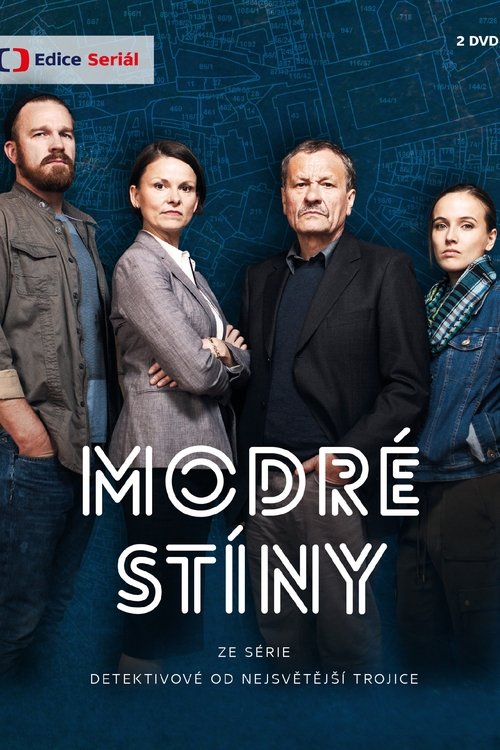
In the small town of Kamenice, the story begins with the mysterious disappearance of a young girl named Klára. Her absence sends shockwaves through the community, and the local police, led by Detective Marek, initiate an investigation. Marek is portrayed as a dedicated officer, but he struggles with personal demons, including a troubled relationship with his estranged wife, who is concerned about his obsession with the case.
As the investigation unfolds, Marek interviews Klára's friends and family, revealing that she had been acting strangely in the days leading up to her disappearance. One of her friends, Tereza, mentions that Klára had been involved with a group of older boys, hinting at possible trouble. Marek's inquiries lead him to a local bar where he confronts the boys, but they deny any involvement. Tensions rise as Marek feels the pressure from the community to solve the case quickly.
Meanwhile, Klára's mother, Eva, is depicted as a distraught figure, struggling to cope with her daughter's absence. She becomes increasingly desperate, turning to local mediums and engaging in rituals to try to find her daughter. This subplot highlights the emotional toll the disappearance takes on her family, showcasing her internal conflict between hope and despair.
As days turn into weeks, the investigation stalls, and Marek begins to suspect that there may be a cover-up involving some of the town's influential figures. He uncovers a connection between Klára's disappearance and a series of unsolved cases involving other missing girls. This revelation intensifies his determination to dig deeper, even as he faces pushback from his superiors who want to close the case to avoid further public unrest.
Marek's investigation leads him to a secluded cabin in the woods, where he discovers evidence suggesting that Klára may have been held captive. He finds personal belongings that belong to her, including a bracelet and a diary. The discovery reignites his hope, but it also puts him in danger as he realizes he is being watched. The tension escalates when Marek is confronted by a shadowy figure who warns him to stop digging into the past.
In a pivotal scene, Marek decides to go undercover to infiltrate the group of boys who were last seen with Klára. He adopts a false identity and gains their trust, which allows him to gather crucial information. During this time, he learns about a secret party that the boys are planning, where they intend to showcase their reckless behavior. Marek's internal struggle is palpable as he grapples with the moral implications of his deception.
The night of the party arrives, and Marek attends, blending in with the crowd. As the night progresses, he witnesses disturbing behavior and overhears conversations that confirm his suspicions about the boys' involvement in Klára's disappearance. The atmosphere is charged with tension, and Marek's heart races as he realizes he is getting closer to the truth.
Just as Marek is about to confront the boys, a fight breaks out, and chaos ensues. In the midst of the turmoil, Marek manages to corner one of the boys, who reveals that Klára was taken to a different location. However, before Marek can extract more information, the boy escapes, leaving Marek frustrated and desperate.
Determined to find Klára, Marek follows the lead to an abandoned warehouse on the outskirts of town. He enters cautiously, his heart pounding with anticipation and fear. Inside, he discovers a hidden room where Klára is being held. The sight of her, disheveled but alive, fills him with a mix of relief and anger. He quickly assesses the situation, realizing that they are not alone.
As Marek attempts to free Klára, they are ambushed by the boys who had been holding her captive. A tense confrontation ensues, with Marek fighting to protect Klára. The struggle is intense, with punches thrown and desperate grappling as Marek uses his training to subdue the attackers. Klára, frightened but determined, helps by using her surroundings to her advantage.
In the climax of the episode, Marek and Klára manage to escape the warehouse, but not without injuries. They flee into the woods, pursued by the boys who are now enraged. The chase is frantic, with Marek pushing himself to the limit to ensure Klára's safety. They finally reach a road where they flag down a passing car, and Marek collapses from exhaustion and pain, but they are safe.
The aftermath of the rescue sees Marek hailed as a hero, but he is haunted by the events that transpired. Klára is reunited with her family, and the community begins to heal, but the scars of the experience linger. Marek's relationship with his wife remains strained, as he grapples with the emotional fallout of the case and the toll it has taken on his life.
In the final scenes, Marek reflects on the darkness that lurks beneath the surface of the seemingly peaceful town. He understands that while Klára's case has been resolved, the shadows of the past will continue to haunt him and the community. The series ends on a somber note, leaving viewers with a sense of unresolved tension and the lingering question of how far one will go to protect those they love.
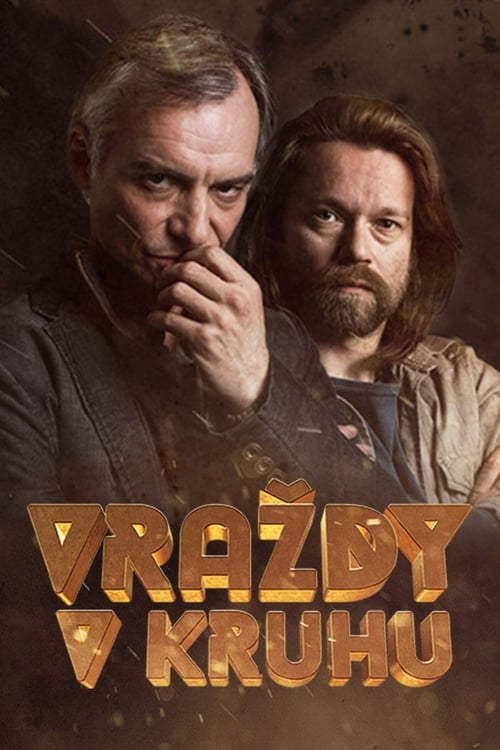

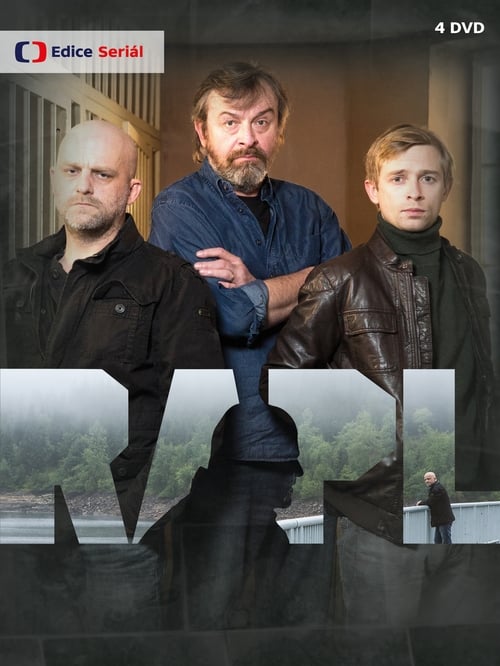

What is the ending?
In the ending of "Modré stíny," the main characters confront their pasts and the consequences of their actions. The story culminates in a tense showdown that leads to revelations and resolutions for each character, ultimately shaping their futures.
As the final episodes unfold, we see the characters grappling with their choices. The protagonist, who has been on a journey of self-discovery and redemption, faces the antagonist in a climactic confrontation. This encounter is fraught with emotional intensity, as both characters reveal their vulnerabilities and motivations. The protagonist's determination to break free from the shadows of their past drives the narrative forward.
In the aftermath of this confrontation, the protagonist emerges changed, having made peace with their past and ready to embrace a new beginning. The antagonist, on the other hand, faces the consequences of their actions, leading to a poignant moment of reckoning.
The fates of the main characters are intertwined with the themes of forgiveness, redemption, and the impact of choices made. Each character's journey concludes with a sense of closure, leaving the audience with a powerful message about the importance of confronting one's demons and the possibility of change.
As the final act of "Modré stíny" unfolds, the atmosphere is thick with tension. The protagonist, a deeply flawed yet relatable character, stands at a crossroads, grappling with the weight of their past decisions. The scene opens in a dimly lit room, where the protagonist reflects on the choices that have led them here. The flickering light casts shadows on the walls, symbolizing the lingering effects of their past.
In the next scene, the protagonist confronts the antagonist in a secluded location, a stark contrast to the chaos of their previous encounters. The air is heavy with unspoken words as they face each other, both aware that this moment will define their futures. The antagonist, with a cold demeanor, tries to manipulate the situation, but the protagonist, fueled by a newfound resolve, stands firm. Their internal struggle is palpable; they are torn between fear and the desire for liberation.
As the confrontation escalates, emotions run high. The protagonist's voice trembles with anger and pain as they recount the betrayals and losses they have endured. The antagonist, in a moment of vulnerability, reveals their own fears and regrets, creating a complex dynamic that blurs the lines between hero and villain. This scene is pivotal, showcasing the depth of their characters and the shared humanity that exists even in conflict.
The climax reaches its peak when the protagonist makes a decisive choice, breaking free from the cycle of revenge and anger. This moment is visually striking, as the protagonist steps into the light, symbolizing their commitment to change. The antagonist, faced with the consequences of their actions, is left in the shadows, a stark reminder of the path not taken.
In the aftermath, the protagonist finds solace in the support of their friends and loved ones. The final scenes depict a sense of community and healing, as they begin to rebuild their life. The camera lingers on their expressions, capturing the relief and hope that comes with forgiveness. The antagonist's fate is left ambiguous, a haunting reminder of the choices that lead to isolation.
As the credits roll, the audience is left with a sense of closure for the protagonist, who has finally embraced their identity and the possibility of a brighter future. The emotional weight of the journey resonates, highlighting the themes of redemption and the enduring impact of our choices. Each character's fate serves as a reflection of their growth, leaving a lasting impression on the viewer.
Is there a post-credit scene?
In the TV show Modré stíny, there is no post-credit scene. The series concludes its narrative without any additional scenes after the credits roll. The final moments of the show focus on the resolution of the main characters' arcs, providing closure to their journeys and the overarching themes of the story. The absence of a post-credit scene allows the audience to reflect on the emotional weight of the finale without any further distractions.
What are the key events that lead to the climax of the series?
The climax is built upon a series of escalating events, including the discovery of hidden evidence, confrontations with antagonistic characters, and the unraveling of long-buried secrets. Each revelation intensifies the stakes for Jakub, culminating in a dramatic confrontation that forces him to confront not only the external threats but also his own inner turmoil.
What motivates the main character, Jakub, throughout the series?
Jakub is driven by a deep sense of guilt and responsibility stemming from a tragic event in his past. His internal struggle is compounded by his desire to protect his family and uncover the truth behind the mysterious circumstances surrounding the deaths in his hometown. This motivation leads him to make choices that often put him at odds with the law and his own moral compass.
How does the relationship between Jakub and his father evolve during the series?
Initially, Jakub's relationship with his father is strained, marked by unspoken resentment and a lack of understanding. As the series progresses, they are forced to confront their shared past and the secrets that have driven them apart. This journey leads to moments of vulnerability and reconciliation, revealing the complexities of their bond and the impact of their choices on each other's lives.
What role does the character of Klara play in Jakub's journey?
Klara serves as both a love interest and a catalyst for Jakub's emotional growth. Her unwavering support and belief in his innocence provide him with the strength to confront his demons. However, her own struggles with trust and her family's involvement in the unfolding events create tension in their relationship, forcing Jakub to navigate the delicate balance between love and the pursuit of truth.
How does the character of the detective, Marek, impact the investigation?
Detective Marek is initially portrayed as a diligent investigator, but as the series unfolds, his methods and motivations come into question. His obsession with the case leads him to make questionable decisions, impacting the investigation's direction. Marek's interactions with Jakub reveal the complexities of justice and morality, as both characters grapple with their own biases and the implications of their actions.
Is this family friendly?
"Modré stíny," produced in 2016, is a drama that delves into complex themes and emotional struggles. While it may not be explicitly designed for children, it does not contain overtly graphic content. However, there are several aspects that could be considered potentially objectionable or upsetting for younger viewers or sensitive individuals:
-
Emotional Turmoil: The characters experience significant emotional distress, including themes of loss, betrayal, and familial conflict, which may be intense for younger audiences.
-
Family Conflict: There are scenes depicting arguments and tension within the family, which could be distressing for children who may not fully understand the dynamics of adult relationships.
-
Depictions of Grief: The show addresses themes of grief and mourning, which may be heavy and difficult for sensitive viewers to process.
-
Substance Use: There are references to alcohol and its impact on family dynamics, which could be concerning for younger viewers.
-
Intense Situations: Some scenes may involve high-stress situations that could evoke anxiety or fear, particularly for younger audiences.
Overall, while "Modré stíny" is not overtly inappropriate, its emotional depth and mature themes may not be suitable for all children or sensitive viewers.









