























Popular
What is the significance of the Sohma family curse in Fruits Basket?
How does Tohru Honda's character develop throughout the series?
What is the relationship between Yuki Sohma and Kyo Sohma?
What role does Akito Sohma play in the story?
How does the theme of family influence the characters in Fruits Basket?
Should I watch it?
Ask Your Own Question

What is the plot?
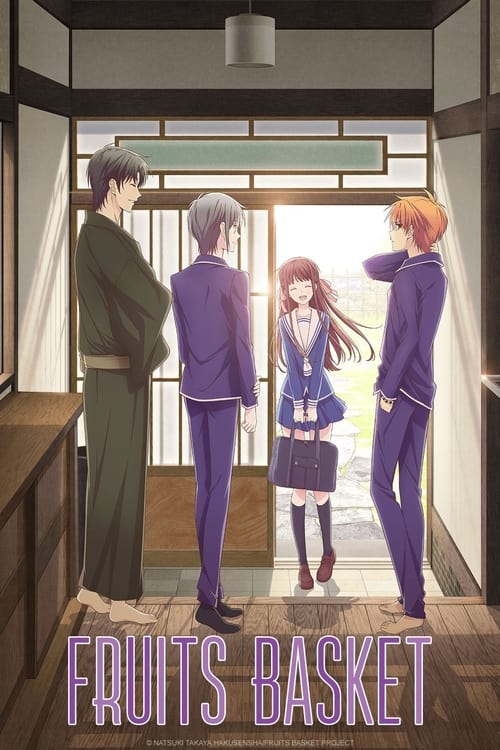
Tohru Honda, a high school girl, finds herself living in a tent after her mother's death. One day, while walking home from school, she stumbles upon the house of the Sohma family, where she meets Yuki Sohma, a popular boy at her school. Tohru learns that Yuki is part of the Sohma family, which is known for its wealth and eccentricities. After a series of misunderstandings, Tohru ends up living with Yuki and his older cousin, Shigure Sohma, in their home.
As Tohru settles into her new life, she discovers that the Sohma family harbors a secret: certain members of the family are cursed to transform into animals of the Chinese zodiac when hugged by someone of the opposite sex. Yuki transforms into a rat, and Shigure into a dog. Tohru is initially shocked but quickly accepts their reality, showing her kind-hearted nature.
Tohru's presence begins to change the dynamics within the household. She becomes close to Yuki, who struggles with his own insecurities and the pressure of being the "prince" at school. Tohru also meets Kyo Sohma, a hot-headed boy who is cursed to turn into a cat. Kyo has a complicated relationship with Yuki, stemming from the fact that the cat is not part of the zodiac and is often looked down upon by the other zodiac members.
As Tohru grows closer to both Yuki and Kyo, she learns more about the Sohma family's dark history and the origins of their curse. She meets other members of the family, including the aloof and mysterious Akito Sohma, the head of the family, who exerts a controlling influence over the other members. Akito's volatile personality and the fear he instills in the family members become a recurring theme throughout the series.
Tohru's kindness and determination to help the Sohmas begin to have a profound effect on them. She encourages Yuki to confront his fears and insecurities, leading him to take steps toward personal growth. Meanwhile, Kyo grapples with his own feelings of inadequacy and anger, particularly regarding his cursed form and his desire to be accepted. Tohru's unwavering support helps him to open up and confront his past.
As the story progresses, Tohru learns about the deeper emotional scars that the Sohma family members carry. She discovers that Akito's abusive behavior stems from a traumatic childhood and a desperate need for control. Tohru's compassion leads her to want to help Akito, despite the danger it poses to her own well-being.
The tension escalates when Kyo and Yuki's rivalry comes to a head. Kyo, feeling overshadowed by Yuki's popularity and charm, challenges him to a fight. The confrontation is intense, with both boys expressing their frustrations and insecurities. Tohru intervenes, trying to mediate and prevent further conflict, showcasing her role as a peacemaker.
As the series nears its climax, Tohru's relationship with Kyo deepens, and she begins to understand the weight of his struggles. Kyo reveals his desire to break free from the curse and his fear of being rejected. Tohru reassures him of her feelings, promising to support him no matter what. This moment solidifies their bond and sets the stage for Kyo's character development.
The final arc of the story focuses on the resolution of the Sohma family curse. Tohru learns that the curse can only be broken through acceptance and love. She confronts Akito, who is revealed to be deeply lonely and hurt. In a pivotal moment, Tohru expresses her understanding and compassion, which leads to a significant turning point for Akito.
As the curse begins to unravel, the Sohma family members start to transform back into their human forms, free from the burden of their animal identities. Kyo, in a climactic moment, finally confronts his fears and embraces his true self, breaking the curse. Tohru's unwavering support and love play a crucial role in this transformation.
In the aftermath, the characters begin to forge new paths for themselves. Yuki finds his own identity outside of the family's expectations, while Kyo learns to accept himself and his past. Tohru, having played a vital role in their journeys, prepares to move forward with her life, cherishing the bonds she has formed with the Sohmas.
The series concludes with a sense of hope and renewal. Tohru, Yuki, and Kyo reflect on their experiences and the growth they have achieved together. The bonds of friendship and love they have created will carry them into the future, free from the shadows of the past.
More TV Shows Like This
Browse All TV Shows →






What is the ending?
In the ending of Fruits Basket (2019), Tohru Honda helps break the curse of the Sohma family, allowing the cursed members to regain their true forms. The series concludes with Tohru and Kyo finally confessing their feelings for each other, leading to a hopeful future together. The other members of the Sohma family also find closure and begin to move on from their past traumas.
As the final episodes unfold, the atmosphere is charged with emotion as Tohru Honda stands at the center of the Sohma family's tumultuous history. The scene opens with Tohru, her heart heavy yet resolute, as she prepares to confront the final remnants of the Sohma curse. The sun filters through the trees, casting a warm glow that contrasts with the weight of the moment.
Tohru, having learned the truth about the curse and the pain it has caused, gathers her courage. She approaches Kyo Sohma, who has been struggling with his own demons, particularly his feelings of inadequacy and the burden of being the cat of the zodiac. In a poignant moment, Tohru reassures Kyo that he is not defined by the curse, but by his strength and kindness. Their connection deepens as they share their vulnerabilities, and Kyo begins to understand that he is worthy of love.
The scene shifts to the Sohma family estate, where Akito Sohma, the head of the family, is confronted by the consequences of their actions. Akito, who has long been trapped in a cycle of anger and control, faces the reality of their loneliness. Tohru's compassion reaches Akito, and in a moment of vulnerability, Akito begins to let go of the hatred that has defined their life. This pivotal encounter signifies a turning point, as Akito starts to understand the importance of connection and forgiveness.
As the curse begins to break, the transformation of the cursed Sohma members is depicted with a blend of relief and joy. One by one, they shed their animal forms, revealing their true selves. Yuki, who has struggled with his identity and feelings of isolation, emerges as a confident young man, ready to embrace his future. His relationship with Tohru and the support of his friends have helped him find his place in the world.
Meanwhile, Kyo's transformation is particularly emotional. As he finally breaks free from the curse, he is enveloped in a brilliant light, symbolizing his liberation from the past. Tohru watches with tears of joy as Kyo emerges, no longer burdened by the weight of his family's expectations. Their reunion is filled with unspoken promises and a shared understanding of the journey they have both endured.
In the final scenes, the narrative shifts to a more hopeful tone. Tohru and Kyo, now free from the shadows of the past, stand together, ready to face the future. They share a heartfelt confession of their love, solidifying their bond. The camera pans out, showing the blossoming cherry trees, a symbol of new beginnings and the beauty of life.
The series concludes with glimpses of the other Sohma family members, each finding their own paths. Shigure, the playful yet wise member of the family, continues to write, capturing the essence of their experiences. Yuki and Machi, who have developed a tender relationship, look forward to a future filled with understanding and support. The final moments encapsulate the theme of healing and the importance of human connection, as the characters step into a world where they can finally be themselves, free from the chains of the past.
As the screen fades to black, the audience is left with a sense of closure and hope, knowing that each character has the opportunity to forge their own destiny, unburdened by the curse that once defined them.
Is there a post-credit scene?
Yes, the 2019 adaptation of Fruits Basket includes a post-credit scene in its final episode, which is Episode 25.
As the episode concludes, the scene shifts to a serene setting where Tohru Honda is seen visiting the Sohma family estate. The atmosphere is peaceful, with cherry blossoms gently falling around her, symbolizing renewal and the passage of time. Tohru is filled with a sense of nostalgia and warmth as she reflects on her experiences with the Sohma family and the bonds she has formed with each member.
In this moment, she encounters Kyo Sohma, who is standing alone, looking contemplative. The two share a quiet moment, filled with unspoken emotions and a deep understanding of each other's struggles and growth. Kyo, who has faced his own demons and has finally begun to accept himself, expresses a sense of hope for the future. Tohru, with her unwavering support and love, reassures him that they will continue to move forward together.
The scene captures the essence of their relationship, highlighting themes of healing, acceptance, and the importance of connection. As they stand together, the cherry blossoms swirl around them, symbolizing the beauty of new beginnings and the promise of a brighter future. The post-credit scene serves as a poignant reminder of the journey they have taken and the love that will continue to guide them.
What is the significance of the Sohma family curse in Fruits Basket?
The Sohma family curse is central to the narrative of Fruits Basket, as it transforms members of the family into animals of the Chinese zodiac when they are hugged by someone of the opposite gender. This curse serves as a metaphor for the emotional burdens and traumas that the characters carry. Each character's animal form reflects their personality traits and struggles, such as Yuki's feelings of isolation as the rat, or Kyo's anger and frustration as the cat, which is not part of the zodiac. The curse also creates barriers in relationships, particularly for Tohru, who seeks to understand and help the Sohmas break free from their emotional chains.
How does Tohru Honda's character develop throughout the series?
Tohru Honda begins as a cheerful and optimistic high school girl who has faced significant loss, having lost her mother and living in a tent after her grandfather's house is sold. Her kindness and empathy draw the Sohma family to her, and as the series progresses, she becomes a source of healing for them. Tohru's character development is marked by her growing self-awareness and strength; she learns to confront her own feelings of inadequacy and the pain of her past. Her unwavering support for the Sohmas helps them confront their own issues, and she ultimately finds her place in the world, surrounded by friends who care for her.
What is the relationship between Yuki Sohma and Kyo Sohma?
Yuki and Kyo Sohma have a complex and tumultuous relationship that evolves throughout the series. Initially, they are rivals, with Yuki representing the idealized 'prince' and Kyo embodying the misunderstood outcast. Their rivalry is fueled by Kyo's jealousy of Yuki's popularity and Yuki's own insecurities. However, as they confront their personal struggles and the weight of the Sohma family curse, they begin to understand each other better. Their relationship shifts from animosity to a deeper bond, as they learn to support one another in overcoming their respective challenges, ultimately leading to mutual respect and friendship.
What role does Akito Sohma play in the story?
Akito Sohma is a pivotal character in Fruits Basket, serving as the head of the Sohma family and the embodiment of the family's curse. Initially portrayed as a domineering and abusive figure, Akito's actions are driven by deep-seated insecurities and a desperate need for control over the family. As the series unfolds, Akito's backstory is revealed, showcasing the trauma and loneliness that shaped their behavior. This complexity adds depth to Akito's character, as they grapple with the consequences of their actions and the impact on the other Sohmas. Akito's relationship with Tohru becomes crucial, as Tohru's compassion challenges Akito's worldview, leading to significant character development and a potential path toward healing.
How does the theme of family influence the characters in Fruits Basket?
Family is a central theme in Fruits Basket, influencing the characters' identities, relationships, and emotional struggles. Each member of the Sohma family grapples with the expectations and burdens placed upon them by their familial ties, often leading to feelings of isolation and despair. Tohru, who has lost her own family, represents an alternative perspective on family, emphasizing love, acceptance, and support. The series explores how the characters navigate their complicated relationships with their families, particularly in the context of the curse. As they confront their pasts and the dynamics within the Sohma family, they learn the importance of forging their own paths and creating chosen families, ultimately leading to personal growth and healing.
Is this family friendly?
Fruits Basket (2019) is generally considered family-friendly, but it does contain some themes and scenes that may be sensitive for children or those who are particularly sensitive. Here are some potentially objectionable or upsetting aspects:
-
Trauma and Abuse: The series explores themes of emotional and physical abuse within families, particularly focusing on the character of Kyo and his struggles with his past.
-
Loss and Grief: Characters deal with the loss of loved ones, which can evoke strong emotions and may be difficult for younger viewers to process.
-
Mental Health Issues: Some characters experience depression, anxiety, and feelings of worthlessness, which are depicted in a way that may resonate deeply with sensitive viewers.
-
Bullying and Isolation: There are instances of bullying and social isolation that characters face, which can be distressing for viewers who have experienced similar situations.
-
Romantic Relationships: The series includes romantic themes and relationships that may be more suitable for older children or teens, as they explore complex emotions and dynamics.
-
Transformation Scenes: The curse of the Sohma family involves characters transforming into animals when hugged by the opposite sex, which can lead to awkward and sometimes uncomfortable situations.
While the show ultimately conveys messages of love, acceptance, and healing, these elements may require parental guidance for younger audiences.









