



Popular
What motivates Naofumi Iwatani to become stronger after being betrayed?
How does Raphtalia's character develop throughout the series?
What role does the concept of 'Slavery' play in Naofumi's relationship with Raphtalia?
What are the consequences of Naofumi's choices during the first Wave?
How does the relationship between Naofumi and the other heroes evolve throughout the series?
Should I watch it?
Ask Your Own Question

What is the plot?
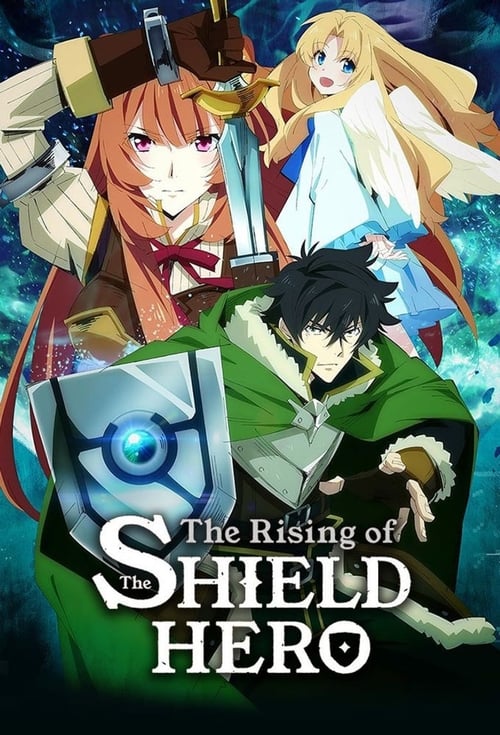
Naofumi Iwatani, a 20-year-old otaku, is summoned to a parallel world along with three other young men to become the Cardinal Heroes tasked with saving the kingdom of Melromarc from waves of monsters. Each hero is assigned a legendary weapon; Naofumi receives the Shield, while the others receive a sword, spear, and bow. Initially excited, Naofumi quickly realizes that he is treated with disdain compared to the other heroes, particularly by the kingdom's royalty.
During a ceremony, Naofumi meets Princess Malty Melromarc, who initially appears supportive but soon betrays him. After a series of misunderstandings and manipulations, she falsely accuses him of assault, leading to his public humiliation and ostracization. The king, believing Malty's claims, strips Naofumi of his rights and resources, leaving him alone and vulnerable. This betrayal deeply wounds Naofumi, instilling a sense of distrust and anger towards others.
With no allies and limited resources, Naofumi struggles to survive. He decides to venture out on his own, determined to grow stronger. He encounters a slave trader, where he purchases a demi-human girl named Raphtalia, who has suffered greatly due to the discrimination against her race. Naofumi's decision to buy Raphtalia is driven by his need for companionship and a strong fighter to aid him. He treats her with kindness, which helps her regain her confidence and strength.
As they begin their journey together, Naofumi and Raphtalia face various monsters and challenges. They fight against waves of enemies, and Naofumi learns to utilize his shield in creative ways, developing new abilities. Their bond deepens as they face adversity, and Raphtalia becomes a loyal companion, fighting fiercely by Naofumi's side. Naofumi's character begins to shift from a naive hero to a more hardened and pragmatic individual, shaped by his experiences and betrayals.
Naofumi and Raphtalia eventually encounter a powerful monster known as the "Basilisk." In a tense battle, Naofumi uses his shield to protect Raphtalia while she attacks the creature. They manage to defeat the Basilisk, which boosts their confidence and strengthens their partnership. This victory also attracts the attention of other characters, including Filo, a Filolial who becomes another companion after Naofumi saves her from a dangerous situation.
As they continue their journey, Naofumi learns about the other heroes and their progress. He discovers that they are not facing the same level of challenges he is, which fuels his resentment towards them. He also learns about the existence of the Waves, which are catastrophic events that bring monsters to the world. Naofumi becomes determined to prepare for the next Wave, focusing on leveling up and acquiring better equipment.
The next Wave arrives, and Naofumi, Raphtalia, and Filo join forces with other heroes to combat the onslaught of monsters. During the battle, Naofumi's strategic thinking and defensive capabilities shine, allowing them to fend off the monsters effectively. However, he faces criticism from the other heroes, who still view him with disdain. This further solidifies Naofumi's resolve to prove himself and protect those he cares about.
After the Wave, Naofumi and his party return to the kingdom, where they are met with mixed reactions. They are celebrated for their victory, but Naofumi remains wary of the kingdom's intentions. He begins to uncover deeper conspiracies involving the royal family and the true nature of the Waves. Naofumi's investigation leads him to discover that the kingdom has been hiding information about the true threat posed by the Waves and the other heroes.
As Naofumi delves deeper into the political intrigue, he confronts Malty again, who continues to manipulate events to her advantage. Their encounters are fraught with tension, as Naofumi grapples with his feelings of betrayal and anger. He resolves to take a stand against the corruption within the kingdom, seeking to protect the oppressed and marginalized, particularly demi-humans like Raphtalia.
In a climactic confrontation, Naofumi faces off against the other heroes, particularly the Spear Hero, Motoyasu, who has been misled by Malty. The battle is intense, with Naofumi using his shield to defend against Motoyasu's attacks while trying to reason with him. The fight escalates, showcasing Naofumi's growth as a hero and his determination to protect his friends.
Ultimately, Naofumi's journey leads him to confront the true nature of the Waves and the forces behind them. He learns that the Waves are a result of a greater evil, and he must unite with the other heroes to face this looming threat. Despite their differences, Naofumi's resolve to protect his world and those he cares about drives him forward.
As the season concludes, Naofumi stands at a crossroads, having transformed from a betrayed hero into a determined protector. He has forged strong bonds with Raphtalia and Filo, and together they prepare for the challenges that lie ahead, ready to face the next Wave and uncover the truth behind the forces threatening their world.
More TV Shows Like This
Browse All TV Shows →


What is the ending?
In the ending of The Rising of the Shield Hero, Naofumi Iwatani and his companions face the final battle against the Spirit Tortoise. After a fierce confrontation, they manage to defeat the creature, but not without significant challenges and sacrifices. The story concludes with Naofumi gaining recognition and respect from the kingdom, as well as a deeper bond with his companions, particularly Raphtalia and Filo. The series ends on a hopeful note, with Naofumi looking forward to a future where he can protect those he cares about.
As the final arc of The Rising of the Shield Hero unfolds, the tension escalates with the looming threat of the Spirit Tortoise. The scene opens with Naofumi Iwatani, the Shield Hero, standing resolutely in front of the massive creature, which has been wreaking havoc across the land. The air is thick with anxiety as townsfolk flee in terror, and the ground trembles beneath the tortoise's weight. Naofumi, accompanied by his loyal companions Raphtalia and Filo, prepares for the battle ahead, his heart heavy with the responsibility of protecting those who depend on him.
The first confrontation is intense. Naofumi, wielding his shield, strategizes with Raphtalia, who is now a skilled warrior, and Filo, who has transformed into a formidable creature. They coordinate their attacks, each member of the party playing a crucial role. Naofumi's internal struggle is palpable; he grapples with feelings of inadequacy and the burden of being an outcast. Yet, he draws strength from his companions, their unwavering support igniting a fire within him.
As the battle rages on, the Spirit Tortoise retaliates with devastating power, unleashing waves of energy that threaten to overwhelm them. Naofumi's shield absorbs the brunt of the attacks, but he feels the strain. Raphtalia fights valiantly, her determination shining through as she deflects blows and strikes back with precision. Filo, with her boundless energy, swoops in to distract the tortoise, showcasing her growth and loyalty to Naofumi.
In a pivotal moment, they discover that the Spirit Tortoise is being controlled by a malevolent force, a revelation that shifts their approach. Naofumi's resolve strengthens; he understands that defeating the tortoise is not just about physical strength but also about breaking the control over it. The trio devises a plan to target the source of the control, leading to a climactic showdown.
As they execute their strategy, the emotional stakes rise. Naofumi reflects on his journey, the betrayals he has faced, and the bonds he has forged. He realizes that he has transformed from a lonely hero into a protector surrounded by friends. The battle culminates in a fierce clash, where Naofumi channels all his strength and the power of his shield to break the control over the Spirit Tortoise. With a final, desperate push, they succeed, and the tortoise collapses, its reign of terror finally at an end.
In the aftermath, the scene shifts to the kingdom, where Naofumi is met with a mix of gratitude and newfound respect from the people. The townsfolk, once fearful and distrustful, now see him as a true hero. Raphtalia stands by his side, her eyes filled with admiration and pride, while Filo chirps happily, celebrating their victory. Naofumi's heart swells with a sense of belonging, a stark contrast to the isolation he once felt.
As the dust settles, Naofumi contemplates the future. He acknowledges the challenges that lie ahead but feels a renewed sense of purpose. The bonds he has formed with Raphtalia and Filo are unbreakable, and he vows to continue protecting them and the world they inhabit. The series concludes with a hopeful tone, as Naofumi, Raphtalia, and Filo set off on their next adventure, ready to face whatever comes their way together.
In this final chapter, Naofumi emerges not just as the Shield Hero but as a symbol of resilience and the power of friendship. Each character finds their place in this new world, with Naofumi finally embracing his role as a protector, Raphtalia stepping into her own as a warrior, and Filo embodying the spirit of joy and loyalty. The ending encapsulates their growth and the bonds that have been forged through adversity, leaving viewers with a sense of hope and anticipation for what lies ahead.
Is there a post-credit scene?
In the 2019 anime "The Rising of the Shield Hero," there is no post-credit scene following the final episode of the first season. The series concludes with a significant moment that wraps up the immediate story arc, focusing on Naofumi Iwatani's growth and his relationships with the other characters, particularly Raphtalia and Filo. The absence of a post-credit scene means that viewers are left with the emotional weight of the finale, emphasizing Naofumi's journey and the bonds he has formed, rather than teasing future events or additional content.
What motivates Naofumi Iwatani to become stronger after being betrayed?
Naofumi Iwatani's motivation to become stronger stems from his deep sense of betrayal by the kingdom and the people he initially trusted. After being falsely accused of a crime and abandoned by his companions, he feels a profound sense of isolation and anger. This betrayal ignites a fierce determination within him to prove his worth and protect those who rely on him, particularly Raphtalia, who becomes his first companion. His journey is fueled by a desire for revenge against those who wronged him, as well as a growing sense of responsibility to defend the world from the Waves.
How does Raphtalia's character develop throughout the series?
Raphtalia's character undergoes significant development throughout 'The Rising of the Shield Hero.' Initially introduced as a frightened slave, she gradually transforms into a strong and capable warrior. Her bond with Naofumi deepens as she learns to trust him, contrasting her past experiences of betrayal. As she fights alongside him, she gains confidence and strength, both physically and emotionally. Her motivations shift from mere survival to a desire to protect Naofumi and fight for justice, showcasing her growth from a victim to a hero in her own right.
What role does the concept of 'Slavery' play in Naofumi's relationship with Raphtalia?
The concept of 'Slavery' plays a complex role in Naofumi's relationship with Raphtalia. Initially, Naofumi purchases her as a slave, which creates a power dynamic filled with tension and moral ambiguity. However, as their relationship develops, Naofumi treats Raphtalia with kindness and respect, which allows her to regain her sense of agency. The bond they form transcends the initial circumstances of her enslavement, evolving into a partnership based on mutual trust and loyalty. This dynamic highlights themes of redemption and the possibility of overcoming past traumas.
What are the consequences of Naofumi's choices during the first Wave?
During the first Wave, Naofumi's choices lead to dire consequences that shape the trajectory of his journey. His decision to fight alone, fueled by distrust and anger, results in him being overwhelmed by the monsters. This experience reinforces his isolation and the perception of him as a villain among the other heroes and the kingdom. The aftermath of the Wave also solidifies his resolve to become stronger and more strategic in his approach, as he realizes the importance of forming alliances and understanding the true nature of the threats they face.
How does the relationship between Naofumi and the other heroes evolve throughout the series?
The relationship between Naofumi and the other heroes evolves from initial camaraderie to deep-seated rivalry and animosity. At first, Naofumi hopes to work together with the other heroes, but after being betrayed and falsely accused by them, particularly by Motoyasu, his trust is shattered. This leads to a growing resentment, as Naofumi feels isolated and misunderstood. As the series progresses, the other heroes begin to recognize Naofumi's strength and the validity of his methods, but the tension remains, highlighting the complexities of their interactions and the differing philosophies they embody in their roles as heroes.
Is this family friendly?
"The Rising of the Shield Hero" contains several elements that may be considered objectionable or upsetting for children or sensitive viewers. Here are some aspects to be aware of:
-
Themes of Betrayal and Injustice: The protagonist, Naofumi Iwatani, faces severe betrayal early in the story, leading to feelings of isolation and despair. This theme may be distressing for younger viewers.
-
Depictions of Slavery: The series includes the concept of slavery, particularly in the relationship between Naofumi and the character Raphtalia, who is initially introduced as a slave. The portrayal of this dynamic can be uncomfortable.
-
Violence and Battles: There are numerous scenes of combat, including graphic depictions of monsters attacking and characters getting injured. The violence can be intense and may not be suitable for all audiences.
-
Dark Emotional States: Naofumi experiences significant emotional turmoil, including anger, mistrust, and feelings of worthlessness. His internal struggles are depicted in a way that may resonate negatively with sensitive viewers.
-
Mature Themes: The series touches on themes of revenge, exploitation, and moral ambiguity, which may be complex and challenging for younger audiences to understand.
-
Suggestive Content: There are moments of suggestive dialogue and situations that may not be appropriate for children, including innuendos and implications of adult themes.
These elements contribute to a narrative that, while engaging and rich in character development, may not be suitable for all viewers, particularly younger children or those sensitive to such themes.