






Popular
What is the significance of Hyakkimaru's missing body parts?
How does Dororo's backstory influence her relationship with Hyakkimaru?
What role do the demons play in Hyakkimaru's journey?
How does the relationship between Hyakkimaru and his father, Daigo, evolve throughout the series?
What is the significance of the sword that Hyakkimaru wields?
Should I watch it?
Ask Your Own Question

What is the plot?
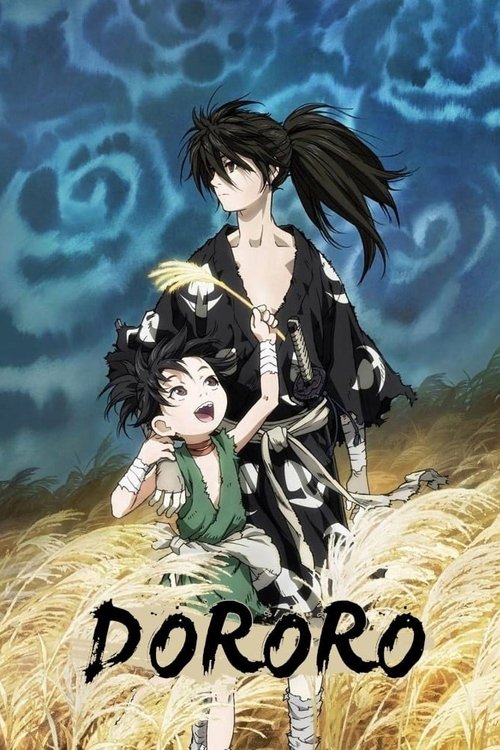
In the late 1500s, a warlord named Daigo Kagemitsu makes a pact with twelve demons to gain power and prosperity for his clan. In exchange, he offers the demons the body parts of his newborn son, who is born without limbs, facial features, or any human characteristics. The child is abandoned by Daigo and left to die, but he is discovered by a kind-hearted doctor who saves him. The doctor crafts prosthetic limbs for the boy, who is named Hyakkimaru.
As Hyakkimaru grows, he learns to fight and survive despite his disabilities. He is determined to reclaim his stolen body parts from the demons that possess them. Each time he defeats a demon, he regains a part of his body, which also restores his humanity. Hyakkimaru's journey begins when he sets out to confront the demons, armed with his sword and a fierce determination.
Meanwhile, a young orphan named Dororo, who is struggling to survive on the streets, encounters Hyakkimaru. Initially, Dororo is wary of Hyakkimaru, but they soon form a bond as they face various challenges together. Dororo is intrigued by Hyakkimaru's quest and decides to accompany him, hoping to find treasure and a better life.
Their first encounter with a demon occurs when they face a creature that has been terrorizing a village. Hyakkimaru engages the demon in a fierce battle, showcasing his combat skills despite his lack of physical senses. The fight is intense, with the demon using its powers to manipulate the environment. Hyakkimaru, however, manages to outsmart the demon and ultimately defeats it, reclaiming his first body part: his right arm. This victory boosts Hyakkimaru's confidence and strengthens the bond between him and Dororo.
As they continue their journey, Hyakkimaru and Dororo encounter various other demons, each with unique abilities and challenges. In one instance, they confront a demon that preys on the fears of villagers, causing chaos and despair. Hyakkimaru's determination to protect the innocent drives him to confront the demon, leading to a climactic battle where he must confront not only the demon but also his own fears and insecurities. After a grueling fight, he defeats the demon and regains his right leg.
Throughout their travels, Hyakkimaru and Dororo meet several characters who influence their journey. They encounter a priest who offers guidance and wisdom, as well as a group of bandits who initially threaten them but later become allies. Each interaction adds depth to their characters and highlights the themes of survival, friendship, and the struggle against fate.
As Hyakkimaru regains more of his body parts, he begins to experience emotions and sensations he had never known before. This newfound humanity complicates his relationship with Dororo, who struggles with feelings of jealousy and inadequacy. Dororo, who has always been a survivor, begins to question their purpose and the nature of their bond.
The duo faces a significant challenge when they confront a powerful demon that has been terrorizing a village by stealing the souls of its inhabitants. This demon is particularly formidable, and the battle is intense, with Hyakkimaru using all his skills and newfound abilities. The fight is brutal, and at one point, it seems that Hyakkimaru may not survive. However, with Dororo's support and determination, he manages to defeat the demon, reclaiming his left arm.
As they continue their journey, Hyakkimaru learns more about his past and the circumstances of his birth. He discovers that his father, Daigo, is still alive and ruling the land. This revelation creates a conflict within Hyakkimaru, as he grapples with feelings of anger and betrayal towards the man who abandoned him. Dororo encourages him to confront Daigo, believing that understanding his past is crucial for Hyakkimaru's growth.
The confrontation with Daigo is emotionally charged. Hyakkimaru confronts his father, demanding answers about his abandonment and the pact with the demons. Daigo, filled with regret, tries to justify his actions, but Hyakkimaru is resolute in his anger. This confrontation leads to a deeper understanding of their relationship, but it also highlights the ongoing struggle between human desires and the consequences of one's actions.
As Hyakkimaru continues to battle demons, he regains more body parts, including his facial features, which allows him to experience the world in a new way. However, with each victory, he also faces the reality of the demons' influence on the world around him. The emotional weight of his journey begins to take a toll on him, as he grapples with the loss of his past and the burden of his newfound humanity.
In a climactic battle, Hyakkimaru faces the final demon, the one that holds his most significant body part: his heart. This confrontation is not just a physical battle but also an emotional one, as Hyakkimaru must confront the essence of his being. The fight is fierce, with both sides pushing their limits. Ultimately, Hyakkimaru defeats the demon, reclaiming his heart and fully restoring his humanity.
With his body restored, Hyakkimaru faces a new challenge: reconciling his past with his present. He and Dororo must navigate their relationship as they both have changed throughout their journey. The series concludes with Hyakkimaru and Dororo standing together, looking towards an uncertain future, but with a newfound understanding of themselves and each other.
More TV Shows Like This
Browse All TV Shows →


What is the ending?
In the ending of the 2019 anime "Dororo," Hyakkimaru confronts his father, Daigo Kagemitsu, leading to a climactic battle. After a fierce struggle, Hyakkimaru defeats his father, reclaiming his final body part, his eyes. He finally sees the world and Dororo, but the reunion is bittersweet. Dororo, having come to terms with their own identity and the pain of their past, decides to leave Hyakkimaru to find their own path. The series concludes with Hyakkimaru and Dororo parting ways, each embarking on their own journey.
As the final episodes unfold, the tension builds towards the inevitable confrontation between Hyakkimaru and his father, Daigo Kagemitsu. The scene opens with Hyakkimaru standing at the edge of a desolate battlefield, the remnants of his past battles scattered around him. The air is thick with anticipation, and the weight of his journey hangs heavily on his shoulders. He has fought tirelessly to reclaim his stolen body parts, each victory a step closer to confronting the man who sacrificed him for power.
In the next scene, we see Daigo Kagemitsu, now a shadow of the ruthless warlord he once was, surrounded by the remnants of his crumbling kingdom. His face is etched with regret and desperation as he prepares for the inevitable clash with his son. The atmosphere is charged with a mix of dread and determination, as both father and son are driven by their conflicting desires--Daigo to maintain his power and Hyakkimaru to reclaim his humanity.
The battle begins with a fierce exchange of blows, the clang of metal echoing through the air. Hyakkimaru, now fully equipped with his reclaimed body parts, fights with a newfound vigor. Each strike is fueled by the pain of his past and the memories of the people he has lost along the way. The animation captures the intensity of the fight, with fluid movements and dramatic close-ups that highlight the emotional stakes involved.
As the fight progresses, Hyakkimaru's internal struggle becomes evident. He grapples with the anger and betrayal he feels towards his father, yet there is also a flicker of sadness. Daigo, in turn, reveals his own turmoil, expressing a twisted sense of love and regret for what he has done. The dialogue between them is charged with emotion, each word a reflection of their fractured relationship.
In a climactic moment, Hyakkimaru delivers a decisive blow, defeating Daigo and reclaiming his final body part--his eyes. As he opens them for the first time, the world floods in with color and light. The visuals shift dramatically, showcasing the beauty of the world he has long been denied. However, the joy of this moment is tempered by the realization of what it means to truly see--the pain, the suffering, and the loss that surrounds him.
In the aftermath of the battle, Hyakkimaru stands amidst the ruins, his heart heavy with the weight of his father's actions. Dororo, who has been a steadfast companion throughout his journey, approaches him. Their reunion is poignant, filled with unspoken words and shared experiences. However, Dororo, having faced their own demons and come to terms with their identity, feels the need to forge their own path. The decision is bittersweet, as they express their gratitude and love for each other, knowing that their journeys must now diverge.
The final scene captures Dororo walking away, their silhouette framed against the setting sun, symbolizing hope and new beginnings. Hyakkimaru watches them go, a mixture of pride and sorrow in his heart. He understands that while they have fought together, their destinies are separate. The series concludes with Hyakkimaru standing alone, finally whole yet profoundly aware of the complexities of life and the relationships he has formed.
As the screen fades to black, the audience is left with a sense of closure, yet also an understanding of the ongoing journey of both characters. Each has faced their own trials and emerged changed, ready to face whatever lies ahead in their respective futures.
Is there a post-credit scene?
In the 2019 adaptation of "Dororo," there is no post-credit scene. The series concludes with a poignant final episode that wraps up the main narrative arcs and character journeys. The story culminates in a powerful confrontation between Hyakkimaru and his father, Daigo Kagemitsu, as well as a resolution to Hyakkimaru's quest to reclaim his body parts from the demons. The emotional weight of the finale leaves viewers with a sense of closure regarding the characters' fates, particularly Hyakkimaru and Dororo, as they reflect on their experiences and the bonds they have formed throughout their journey. The absence of a post-credit scene emphasizes the finality of their story, allowing the audience to fully absorb the themes of loss, redemption, and the search for humanity.
What is the significance of Hyakkimaru's missing body parts?
Hyakkimaru, the protagonist, was born without limbs, facial features, and internal organs due to a pact his father made with demons. Each missing body part represents a piece of his humanity and strength, and as he defeats each demon, he regains a part of himself, symbolizing his struggle for identity and the quest for redemption.
How does Dororo's backstory influence her relationship with Hyakkimaru?
Dororo, a young thief, has her own tragic past, having lost her parents to war and suffering from the harsh realities of life. Her experiences shape her into a resourceful and resilient character, fostering a deep bond with Hyakkimaru as they both seek to reclaim what they have lost. Her empathy and understanding of loss allow her to connect with Hyakkimaru on a profound level.
What role do the demons play in Hyakkimaru's journey?
The demons in 'Dororo' serve as both antagonists and catalysts for Hyakkimaru's growth. Each demon he confronts embodies a specific sin or moral failing, forcing Hyakkimaru to confront not only the physical battles but also the emotional and ethical dilemmas tied to his father's actions and the consequences of his family's legacy.
How does the relationship between Hyakkimaru and his father, Daigo, evolve throughout the series?
Initially, Hyakkimaru's relationship with Daigo is one of betrayal and anger, as Daigo's pact with demons led to Hyakkimaru's suffering. As the story progresses, Daigo's character is explored more deeply, revealing his motivations and the weight of his decisions. Their encounters become increasingly complex, culminating in a tragic confrontation that highlights themes of familial duty, sacrifice, and the cost of ambition.
What is the significance of the sword that Hyakkimaru wields?
Hyakkimaru's sword is not just a weapon; it symbolizes his struggle against the demons and his quest for self-identity. The sword, which he uses to fight the demons that took his body parts, represents his determination to reclaim his humanity. Each battle fought with the sword is a step towards healing, both physically and emotionally, as he confronts the demons of his past and the legacy of his father's choices.
Is this family friendly?
"Dororo," produced in 2019, contains several elements that may not be suitable for children or sensitive viewers. Here are some potentially objectionable or upsetting aspects:
-
Graphic Violence: The series features intense battles and graphic depictions of violence, including bloodshed and injuries. Characters often engage in combat, and the consequences can be quite brutal.
-
Death and Loss: Themes of death are prevalent throughout the series. Characters face significant loss, and the emotional weight of these moments can be heavy.
-
Supernatural Horror: The presence of demons and supernatural entities can be frightening. Their appearances and the dark themes surrounding them may be unsettling for younger audiences.
-
Existential Themes: The show explores deep philosophical questions about life, identity, and the human condition, which may be complex and difficult for children to grasp.
-
Abandonment and Betrayal: Characters experience feelings of abandonment and betrayal, which can evoke strong emotional responses and may be distressing for sensitive viewers.
-
Mature Themes: The narrative touches on themes of suffering, sacrifice, and the consequences of one's actions, which may not be appropriate for younger audiences.
Overall, while "Dororo" is a compelling story with rich character development, its darker themes and graphic content may make it unsuitable for children or those who are sensitive to such material.