


















Popular
What role does Valery Legasov play in the Chernobyl disaster and how does his character evolve throughout the series?
How does the character of Boris Shcherbina contribute to the response to the Chernobyl disaster?
What is the significance of the character Ulana Khomyuk in the narrative?
How does the series depict the immediate aftermath of the explosion at the Chernobyl nuclear power plant?
What are the consequences faced by the first responders and plant workers after the explosion?
Should I watch it?
Ask Your Own Question

What is the plot?
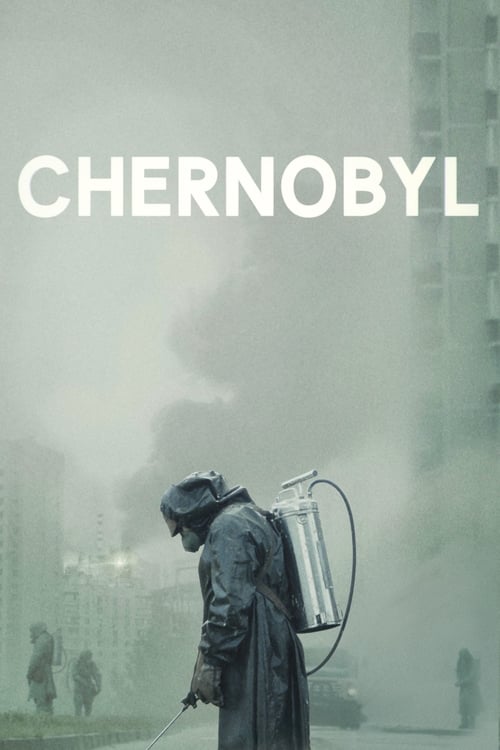
The series begins on the night of April 26, 1986, at the Chernobyl Nuclear Power Plant in Ukraine. A safety test is being conducted on Reactor No. 4. The test is meant to simulate a power outage to ensure that the reactor can be safely shut down. However, the reactor is unstable due to design flaws and operator errors. As the test progresses, the power levels spike uncontrollably. The operators, including Anatoly Dyatlov, are unaware of the impending disaster.
Suddenly, a massive explosion occurs, blowing the roof off the reactor building and releasing a significant amount of radioactive material into the atmosphere. The initial explosion is chaotic, with debris flying and alarms blaring. The operators and plant workers are thrown into confusion, trying to understand what has happened. Dyatlov, in shock, orders the other workers to remain calm and to assess the damage, despite the clear danger.
In the immediate aftermath, firefighters and plant workers rush to the scene to extinguish the fire. They are exposed to lethal doses of radiation without proper protective gear. Among them is Vasily Ignatenko, a firefighter who is deeply concerned for his pregnant wife, Lyudmilla. As they battle the flames, the firefighters begin to experience symptoms of radiation sickness, but they continue to work, believing they are saving the plant and their community.
Meanwhile, the Soviet government is alerted to the disaster. Valery Legasov, a chemist and member of the Academy of Sciences, is called to investigate the incident. He arrives at the plant and quickly realizes the severity of the situation. He begins to understand the implications of the radiation release and the potential for a much larger catastrophe if the remaining reactors are not secured. Legasov is determined to uncover the truth behind the disaster and to prevent further loss of life.
As the situation escalates, the government sends in more personnel, including Boris Shcherbina, the deputy chairman of the Council of Ministers. Shcherbina is initially focused on damage control and public relations, but he soon realizes the gravity of the situation. He partners with Legasov, and together they begin to assess the risks and formulate a plan to contain the disaster. Their relationship evolves from one of skepticism to mutual respect as they face the enormity of the crisis.
In the following days, the extent of the radiation leak becomes apparent. The nearby town of Pripyat is evacuated, and residents are told to leave their homes with little explanation. The emotional toll on the families is palpable as they gather their belongings, unaware of the long-term consequences of the disaster. Lyudmilla, desperate to find her husband Vasily, is left behind as the evacuation unfolds.
As Legasov and Shcherbina work to contain the disaster, they face bureaucratic obstacles and denial from higher authorities. They push for the construction of a sarcophagus to encase the reactor and prevent further radiation release. Legasov presents his findings on the reactor's design flaws, but he is met with resistance from officials who are more concerned about the political fallout than the scientific truth.
The series depicts the harrowing experiences of the first responders, including Vasily, who suffers from severe radiation sickness. His condition deteriorates rapidly, and he is hospitalized. Lyudmilla, devastated by her husband's suffering, remains by his side, grappling with the reality of their situation. The emotional weight of their love story is highlighted as they confront the uncertainty of life and death.
As the crisis continues, Legasov and Shcherbina make the difficult decision to send miners into the reactor's basement to drain the water that has accumulated and poses a risk of a steam explosion. The miners, aware of the dangers, agree to the task, showcasing their bravery and sense of duty. The scene is tense as they work in the dark, contaminated environment, fully aware that they may not survive.
In a pivotal moment, Legasov and Shcherbina confront the Soviet leadership about the need for transparency and international assistance. They argue that the disaster is not just a national issue but a global one. Their plea is met with mixed reactions, but they persist in their efforts to secure help and to inform the public about the true nature of the disaster.
As the series progresses, the impact of the disaster on the environment and the health of the affected population becomes increasingly evident. The series portrays the long-term consequences of radiation exposure, including the suffering of those who were exposed and the ongoing struggle for justice and accountability.
In the final episodes, Legasov faces the moral implications of his work and the decisions made by the government. He is haunted by the knowledge of the truth and the sacrifices made by those who suffered. The series culminates in a powerful reflection on the human cost of the disaster, as Legasov records his testimony, knowing that the truth must be told, even at great personal risk.
The series concludes with Legasov's suicide, a tragic end that underscores the weight of his conscience and the burden of knowledge. The final scenes depict the lasting legacy of Chernobyl, both in terms of the physical site and the impact on the lives of those affected, leaving viewers with a haunting reminder of the disaster's far-reaching consequences.







What is the ending?
In the ending of the TV show "Chernobyl," the aftermath of the disaster is revealed through the trials and the personal sacrifices of the characters. Valery Legasov, who has been deeply affected by the events, records his final thoughts before taking his own life. The series concludes with a somber reflection on the consequences of the disaster, the failures of the Soviet system, and the bravery of those who faced the catastrophe.
As the final episode unfolds, we see Valery Legasov, portrayed by Jared Harris, in a dimly lit room, preparing to record his testimony. He is visibly burdened by the weight of his experiences and the knowledge he carries about the Chernobyl disaster. The camera captures his weary face, lined with the stress of the past years. He begins to speak into the tape recorder, detailing the events leading up to the explosion and the subsequent cover-up by the Soviet authorities. His voice is steady but tinged with sorrow, as he recounts the heroism of the firefighters and the plant workers who rushed to contain the disaster, knowing the risks they faced.
The narrative shifts to the trial of the officials responsible for the disaster. We see Boris Shcherbina, played by Stellan Skarsgård, and Legasov attending the proceedings. Shcherbina, who has transformed from a bureaucrat to a man who understands the gravity of the situation, sits with a heavy heart. The trial reveals the systemic failures and the culture of denial that contributed to the explosion. Legasov's testimony is crucial, as he bravely speaks the truth about the reactor's design flaws and the negligence of the authorities. His moral conviction stands in stark contrast to the attempts of others to deflect blame.
As the trial progresses, we witness the emotional toll on the characters. Legasov's internal struggle is palpable; he knows that his honesty may come at a great personal cost. The tension builds as he faces the reality of the Soviet regime's desire to maintain its image at the expense of truth. The audience can feel his desperation and the weight of his conscience as he grapples with the consequences of his revelations.
In a poignant scene, we see the aftermath of the disaster on the lives of the people affected. The camera pans over the deserted streets of Pripyat, the abandoned playgrounds, and the haunting silence that envelops the area. The devastation is not just physical; it has left deep emotional scars on the survivors. We see Lyudmilla Ignatenko, the wife of firefighter Vasily Ignatenko, who is devastated by the loss of her husband to radiation sickness. Her grief is palpable, and the audience feels her pain as she visits the hospital, where she holds his hand, knowing he is slipping away.
The series culminates in a heart-wrenching moment as Legasov, unable to bear the burden of his knowledge and the impact of the disaster, takes his own life. The scene is quiet and somber, with Legasov's final act serving as a tragic reminder of the cost of truth in a world that often values power over honesty. The camera lingers on his lifeless body, a stark contrast to the vibrant man he once was, leaving viewers with a profound sense of loss.
In the closing moments, the series reflects on the broader implications of the Chernobyl disaster. The final images show the reactor encased in concrete, a symbol of the tragedy and the lessons learned. The screen fades to black, leaving the audience to ponder the sacrifices made by those who faced the disaster head-on and the enduring impact of their actions.
The fates of the main characters are sealed in this final act. Valery Legasov's life ends tragically, a martyr for the truth. Boris Shcherbina, while changed by the experience, continues to navigate the complexities of the Soviet system. Lyudmilla Ignatenko is left to mourn her husband, a representation of the countless lives affected by the disaster. The series closes with a haunting reminder of the fragility of life and the importance of accountability in the face of catastrophe.
Is there a post-credit scene?
The TV show "Chernobyl," produced in 2019, does not have a post-credit scene. The series concludes with its final episode, which wraps up the narrative surrounding the Chernobyl disaster and its aftermath. The last moments focus on the consequences of the disaster, the sacrifices made by the firefighters and workers, and the broader implications of the Soviet government's handling of the crisis. The series ends on a somber note, emphasizing the human cost of the tragedy and the lingering effects of radiation exposure, leaving viewers with a poignant reflection on the events rather than a scene that would typically follow the credits.
What role does Valery Legasov play in the Chernobyl disaster and how does his character evolve throughout the series?
Valery Legasov, portrayed by Jared Harris, is a prominent character in 'Chernobyl' who serves as a leading scientist and a key figure in the investigation of the disaster. Initially, he is depicted as a dedicated and intelligent chemist, deeply committed to understanding the nuclear reactor's failure. As the series progresses, Legasov's character evolves from a confident scientist to a man burdened by the weight of the catastrophe and the political machinations surrounding it. He grapples with the moral implications of the disaster, the loss of life, and the government's attempts to cover up the truth. His internal conflict is palpable, especially as he faces the consequences of his honesty and the sacrifices he must make to reveal the truth.
How does the character of Boris Shcherbina contribute to the response to the Chernobyl disaster?
Boris Shcherbina, played by Stellan Skarsgård, is a high-ranking Soviet politician who is appointed to oversee the government's response to the Chernobyl disaster. His character is initially portrayed as a staunch party loyalist, focused on maintaining the Soviet Union's image. However, as he witnesses the devastation and the human cost of the disaster, Shcherbina undergoes a significant transformation. He becomes increasingly aware of the gravity of the situation and the need for transparency. His partnership with Legasov highlights his evolution from a bureaucrat to a man who recognizes the importance of truth and accountability, culminating in moments of vulnerability as he confronts the reality of the disaster.
What is the significance of the character Ulana Khomyuk in the narrative?
Ulana Khomyuk, portrayed by Emily Watson, is a fictional character representing the many scientists who worked tirelessly to understand the Chernobyl disaster. Her role is significant as she embodies the scientific community's dedication and urgency in addressing the crisis. Khomyuk is depicted as a determined and intelligent physicist who collaborates with Legasov and Shcherbina to uncover the truth about the reactor's failure. Her character serves as a voice for the scientific method and the pursuit of knowledge amidst the chaos, and she experiences her own emotional turmoil as she witnesses the impact of the disaster on the victims and the environment. Her commitment to truth and justice adds depth to the narrative, highlighting the importance of scientific integrity.
How does the series depict the immediate aftermath of the explosion at the Chernobyl nuclear power plant?
The immediate aftermath of the Chernobyl explosion is depicted with harrowing realism in the series. The initial moments show the chaos and confusion following the reactor's explosion, with firefighters and plant workers rushing to the scene, unaware of the radiation exposure they are facing. The visuals are stark, with dark smoke billowing from the reactor and the eerie glow of the exposed core. The emotional state of the characters is one of shock and disbelief, as they grapple with the magnitude of the disaster. The series captures the frantic efforts to contain the fire and the lack of understanding of the radiation's effects, leading to tragic consequences for many first responders. The sense of urgency and impending doom is palpable, setting the tone for the unfolding tragedy.
What are the consequences faced by the first responders and plant workers after the explosion?
The consequences faced by the first responders and plant workers after the Chernobyl explosion are depicted with heartbreaking clarity. Many of the firefighters and plant personnel who rushed to the scene suffer severe radiation sickness, leading to agonizing physical deterioration. The series portrays their suffering in graphic detail, showcasing the painful symptoms of radiation exposure, such as burns, hair loss, and internal damage. The emotional impact on their families is also explored, as loved ones grapple with the sudden illness and the uncertainty of survival. The narrative emphasizes the tragic irony that these individuals, who acted heroically in the face of disaster, were ultimately victims of a system that failed to protect them. Their stories serve as a poignant reminder of the human cost of the catastrophe.
Is this family friendly?
The TV show "Chernobyl" produced in 2019 is not considered family-friendly and contains several potentially objectionable or upsetting scenes that may be distressing for children or sensitive viewers. Here are some aspects to be aware of:
-
Graphic Depictions of Suffering: The series includes intense scenes showing the physical and emotional suffering of individuals affected by the nuclear disaster, including severe burns and radiation sickness.
-
Death and Dismemberment: There are moments that depict the aftermath of the explosion and the impact on human lives, including fatalities and injuries that may be disturbing.
-
Emotional Trauma: Characters experience significant emotional distress, including fear, despair, and grief, which may be heavy for younger audiences to process.
-
Realistic Portrayal of Crisis: The show presents a harrowing look at the chaos and panic during the disaster, including the response of emergency workers and the government, which can be unsettling.
-
Themes of Betrayal and Deception: The narrative explores themes of political manipulation and the consequences of lies, which may be complex and troubling for younger viewers to understand.
-
Intense Situations: The tension and anxiety surrounding the disaster are palpable, with scenes that create a sense of dread and urgency.
Overall, "Chernobyl" is a serious and somber portrayal of a historical tragedy, making it more suitable for mature audiences.









