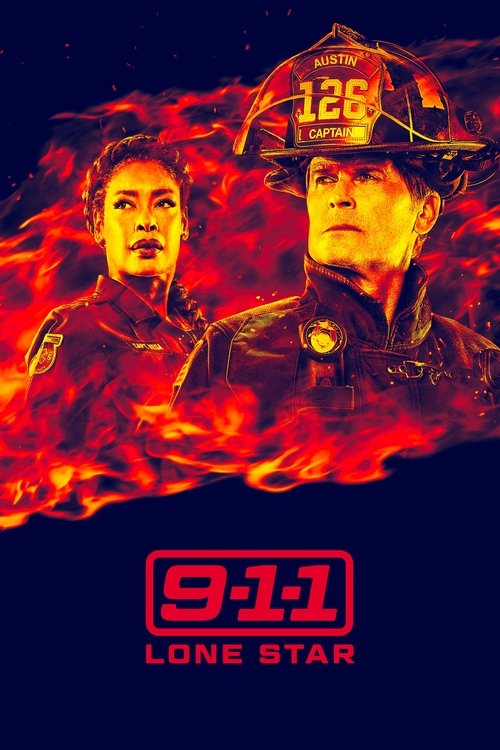














Popular
What happens to Captain Owen Strand's son, T.K., throughout the series?
How does the character of Owen Strand evolve throughout the series?
What is the significance of the relationship between T.K. and Carlos?
What challenges does the firehouse team face in the first season?
How does the character of Michelle Blake impact the storyline?
Should I watch it?
Ask Your Own Question

What is the plot?
In the pilot episode of "9-1-1: Lone Star," we are introduced to Owen Strand, a firefighter from New York City who is called to Austin, Texas, to help rebuild a firehouse after a tragedy. Owen arrives in Austin with his son, T.K., who is struggling with his own issues, including a past addiction. The episode opens with a dramatic rescue scene where firefighters save a man trapped in a burning building, showcasing the high-stakes nature of their work.
Owen meets the members of the new firehouse, including Captain Tommy Vega, who is trying to keep her team together after the loss of their previous captain. T.K. struggles to fit in with the team, feeling the weight of his father's expectations and his own insecurities. The emotional tension between father and son is palpable, as Owen tries to support T.K. while also dealing with his own responsibilities.
As the team responds to various emergencies, including a car accident and a medical emergency involving a woman in labor, we see the camaraderie and challenges they face. Owen's leadership style is put to the test as he navigates the dynamics of the team, particularly with Tommy, who is initially resistant to his authority. The episode highlights the personal stories of the firefighters, including their fears and motivations, as they bond over their shared experiences.
A significant moment occurs when T.K. is called to help with a rescue involving a man trapped in a collapsed building. T.K. faces his fears and proves himself to the team, earning their respect. This moment is crucial for his character development, as he begins to find his place within the group. Meanwhile, Owen grapples with his own past and the pressure of being a leader, revealing his vulnerabilities.
The episode culminates in a dramatic rescue where the team must work together to save a group of people trapped in a burning building. The tension escalates as they face obstacles, including a sudden explosion that puts them in danger. Owen's quick thinking and decisive actions save lives, solidifying his role as a leader and earning the trust of his team.
In the final moments, T.K. and Owen share a heartfelt conversation about their struggles and the importance of supporting each other. The episode ends on a hopeful note, with the team coming together as a cohesive unit, ready to face the challenges ahead. The emotional stakes are high, setting the tone for the series as it explores the complexities of first responders' lives and the bonds they form in the face of adversity.





What is the ending?
In the season finale of 9-1-1: Lone Star, the team faces a catastrophic wildfire that threatens the lives of many. Owen Strand confronts his past and his relationship with his son, T.K., while the team works together to save a group of trapped hikers. The episode culminates in a dramatic rescue, showcasing the bravery and dedication of the first responders. By the end, the team emerges stronger, having faced their fears and solidified their bonds.
As the episode begins, the camera pans over the vast Texas landscape, where the sun sets ominously behind a wall of smoke. The air is thick with tension as the fire rages, and the 126 Firehouse team is alerted to a massive wildfire threatening a nearby community. Owen Strand, the captain, rallies his team, emphasizing the urgency of the situation. His leadership is palpable, and the weight of responsibility hangs heavily on his shoulders.
Cut to T.K. Strand, Owen's son, who is grappling with his own fears about the fire and the potential danger it poses to their community. He is determined to prove himself, both to his father and to the team. As they prepare to head out, T.K. shares a moment of vulnerability with his father, expressing his desire to be seen as more than just Owen's son. Owen reassures him, but the tension between them is evident.
The team arrives at the scene, where chaos reigns. Firefighters are battling the flames, and civilians are in distress. The camera captures the frantic energy as they coordinate their efforts. The stakes rise when they learn that a group of hikers is trapped on a mountain trail, surrounded by the advancing fire. The urgency of the rescue mission intensifies, and the team splits up to cover more ground.
As they navigate the treacherous terrain, T.K. and his partner, Nancy, encounter a series of obstacles. They must work together to overcome their fears and save the hikers. T.K.'s determination shines through as he pushes himself to the limit, driven by the need to prove his worth. Meanwhile, Owen leads a separate team, showcasing his experience and strategic thinking as they devise a plan to reach the hikers.
In a heart-stopping moment, the team faces a sudden flare-up of the fire, forcing them to make split-second decisions. The tension escalates as they race against time, and the emotional stakes are heightened. Each character's internal struggles come to the forefront, revealing their motivations and fears. The bond between T.K. and Owen is tested as they confront their past and the challenges of their relationship.
As the rescue unfolds, the team successfully reaches the hikers, but not without facing significant danger. The visuals are striking, with flames licking at their heels and smoke billowing around them. The camaraderie among the team members is palpable, and their shared determination to save lives is a testament to their character.
In the climax of the episode, T.K. makes a brave choice that ultimately saves the hikers but puts him in peril. Owen, witnessing his son's bravery, is filled with pride and fear. The emotional weight of the moment is captured in close-up shots of their faces, reflecting the love and concern they have for one another.
The episode concludes with the team returning to the firehouse, exhausted but triumphant. They share a moment of reflection, acknowledging the risks they took and the lives they saved. Owen and T.K. share a heartfelt conversation, where they finally begin to understand each other better. The bond between father and son is strengthened, and they embrace, signaling a new chapter in their relationship.
As the camera pulls away from the firehouse, the team stands united, ready to face whatever challenges lie ahead. The final shot lingers on the Texas sunset, a symbol of hope and resilience, encapsulating the spirit of the first responders and the community they serve. Each character has faced their fears, and while the future remains uncertain, they are stronger together.
Is there a post-credit scene?
In the first season of "9-1-1: Lone Star," there is no post-credit scene following the episodes. The show typically concludes with the final scene of each episode, wrapping up the storylines presented throughout. The focus remains on the intense and emotional situations faced by the first responders, rather than adding additional scenes after the credits. Each episode ends with a sense of resolution or a cliffhanger, but there are no additional scenes that play after the credits roll.
What happens to Captain Owen Strand's son, T.K., throughout the series?
T.K. Strand, portrayed by Ronen Rubinstein, is a central character who grapples with his identity and personal struggles throughout the series. In the first season, T.K. is introduced as a recovering addict who is trying to rebuild his life after a tumultuous past. His relationship with his father, Captain Owen Strand, played by Rob Lowe, is complex, filled with both love and tension as they navigate their family dynamics. T.K. faces various challenges, including a near-fatal incident in the first season where he is shot while on duty, leading to a deep exploration of his emotional state and the impact of trauma on his life. As the series progresses, T.K. also embarks on a romantic relationship with fellow firefighter Carlos Reyes, which adds layers to his character development and highlights themes of love and acceptance.
How does the character of Owen Strand evolve throughout the series?
Owen Strand's character arc is one of resilience and leadership. Initially introduced as a confident and somewhat aloof captain, Owen's backstory reveals a man who has faced significant personal loss, including the death of his wife. This loss drives his commitment to his son T.K. and his desire to create a family-like environment within the firehouse. Throughout the series, Owen grapples with the weight of his responsibilities, often putting others' needs before his own. His leadership is tested during various emergencies, including a devastating wildfire and a catastrophic building collapse, where he must make difficult decisions that impact his team. Owen's evolution is marked by moments of vulnerability, particularly in his relationships with T.K. and his colleagues, showcasing his growth from a solitary figure to a more open and emotionally connected leader.
What is the significance of the relationship between T.K. and Carlos?
The relationship between T.K. Strand and Carlos Reyes is a pivotal element of '9-1-1: Lone Star.' Their romance begins in the first season, showcasing a deep emotional connection that transcends the challenges they face as first responders. T.K. and Carlos's relationship is significant not only for its representation of LGBTQ+ love but also for how it highlights themes of support and healing. T.K.'s struggles with addiction and trauma are met with Carlos's unwavering support, which helps T.K. confront his past and embrace his identity. Their relationship is tested by external pressures, including the dangers of their jobs and personal insecurities, but ultimately serves as a source of strength for both characters. The evolution of their love story is marked by tender moments, conflicts, and reconciliations, illustrating the complexities of love in the face of adversity.
What challenges does the firehouse team face in the first season?
In the first season of '9-1-1: Lone Star,' the firehouse team, led by Captain Owen Strand, faces a myriad of challenges that test their skills, teamwork, and emotional resilience. One of the most significant events is a massive wildfire that threatens the community, forcing the team to confront not only the physical dangers of the blaze but also the emotional toll it takes on them as they rescue families and save lives. Additionally, the team deals with a catastrophic building collapse, which results in high-stakes rescues and the need for quick decision-making under pressure. Throughout these incidents, the characters are pushed to their limits, revealing their vulnerabilities and strengths. The challenges they face also serve to deepen their bonds as a team, highlighting the importance of camaraderie and support in the face of life-threatening situations.
How does the character of Michelle Blake impact the storyline?
Michelle Blake, portrayed by Liv Tyler, is introduced as a paramedic who brings a strong, determined presence to the team. Her character is deeply affected by the disappearance of her sister, which serves as a driving force for her actions throughout the series. Michelle's quest to find her sister adds a layer of personal stakes to her professional life, often leading her to make decisions that put her at odds with her colleagues. Her emotional turmoil is palpable, as she balances her responsibilities as a first responder with her desperate search for answers. Michelle's storyline intertwines with the main plot, as her experiences highlight the challenges faced by first responders beyond their immediate duties. Her character's journey is one of resilience and determination, ultimately showcasing the impact of personal loss on one's ability to serve and protect others.
Is this family friendly?
"9-1-1: Lone Star" contains several elements that may not be suitable for children or sensitive viewers. Here are some potentially objectionable or upsetting aspects:
-
Emergency Situations: The show frequently depicts intense emergency scenarios, including fires, medical emergencies, and accidents, which can be distressing.
-
Injury and Trauma: Graphic representations of injuries and trauma are common, showcasing the aftermath of accidents and the emotional toll on victims and responders.
-
Death and Loss: Themes of death, loss, and grief are explored, often affecting both the victims and the first responders, which can be emotionally heavy.
-
Violence: There are instances of violence, including domestic disputes and confrontations that may be unsettling.
-
Mental Health Issues: Characters deal with mental health struggles, including PTSD, which may be triggering for some viewers.
-
Mature Themes: The show addresses adult themes such as relationships, infidelity, and personal struggles, which may not be appropriate for younger audiences.
-
Language: Occasional strong language is used, which may not be suitable for children.
These elements contribute to the show's mature rating and may require parental discretion for younger viewers.