










Popular
What motivates the character of Blanca to investigate the disappearance of her friend?
How does the character of the detective, Antonia, evolve throughout the series?
What role does the social media aspect play in the investigation of the missing girls?
What is the significance of the character of the teacher, who is involved in the girls' lives?
How does the series portray the relationship between the girls and their families?
Should I watch it?
Ask Your Own Question

What is the plot?
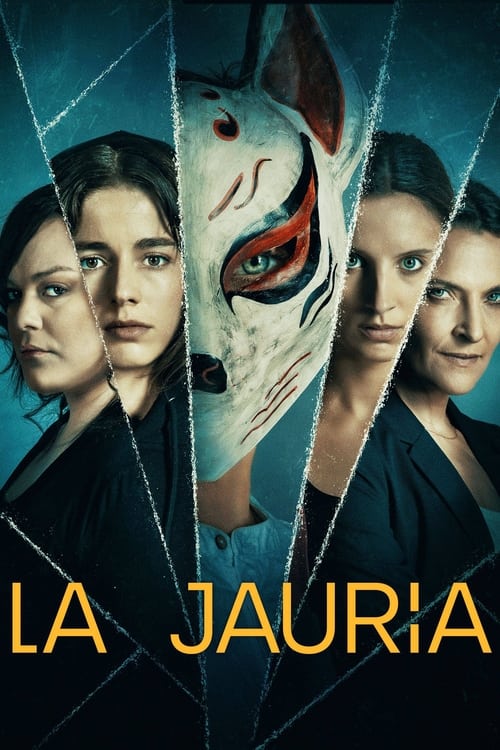
The series begins with the mysterious disappearance of a young woman named Antonia, who is last seen at a party. The narrative quickly shifts to a group of girls, known as "La Jauría," who are part of a school for troubled youth. The girls are dealing with their own personal issues, including trauma and rebellion against authority. Among them is a girl named "Carmen," who is particularly troubled and has a complicated relationship with her mother.
As the investigation into Antonia's disappearance unfolds, we see the police, led by a determined officer named "Rocío," working tirelessly to find her. Rocío is driven by her own past experiences with violence against women, which fuels her commitment to the case. She interviews various people connected to Antonia, including her friends and family, revealing the complexities of their relationships and the societal pressures they face.
The narrative then delves into the backstories of the girls in La Jauría. Each girl has a unique story that highlights their struggles, including issues of abuse, neglect, and the search for identity. Tensions rise within the group as they grapple with their pasts and the harsh realities of their current environment. The dynamics among the girls shift, with alliances forming and breaking as they navigate their emotional turmoil.
As the investigation progresses, Rocío uncovers a series of disturbing events linked to a group of boys who are suspected of being involved in Antonia's disappearance. The boys are portrayed as privileged and entitled, contrasting sharply with the girls' experiences. This sets the stage for a deeper exploration of gender dynamics and societal expectations.
In a pivotal moment, one of the girls, "Sofia," decides to confront her own trauma by speaking out about her experiences with sexual violence. This act of bravery inspires the other girls to share their stories, creating a powerful bond among them. They begin to support each other in their healing process, which becomes a central theme of the series.
As the investigation intensifies, Rocío faces pushback from her superiors, who are more concerned with maintaining the status quo than seeking justice for Antonia. This conflict highlights the systemic issues within law enforcement and society at large. Rocío's determination leads her to take risks, including going undercover to gather evidence against the boys.
The plot thickens when Rocío discovers a connection between the boys and a secretive online group that promotes misogyny and violence against women. This revelation adds urgency to the investigation, as it becomes clear that Antonia's case is part of a larger pattern of abuse. Rocío's personal stakes rise as she realizes that the boys' actions are not isolated incidents but part of a pervasive culture of violence.
In a climactic confrontation, Rocío and her team manage to gather enough evidence to confront the boys. The scene is tense, filled with emotional stakes as the girls from La Jauría also confront their abusers. The confrontation escalates into a physical altercation, with the girls standing up for themselves and each other. The fight is raw and chaotic, showcasing their resilience and determination to reclaim their power.
As the dust settles, the series explores the aftermath of the confrontation. The girls begin to heal, but the scars of their experiences remain. Rocío continues her fight for justice, determined to ensure that Antonia's story is not forgotten. The series ends on a note of hope, with the girls finding strength in their unity and Rocío vowing to continue her work against the systemic violence that affects so many women. The final scenes emphasize the importance of solidarity and the ongoing struggle for justice in a world that often silences victims.


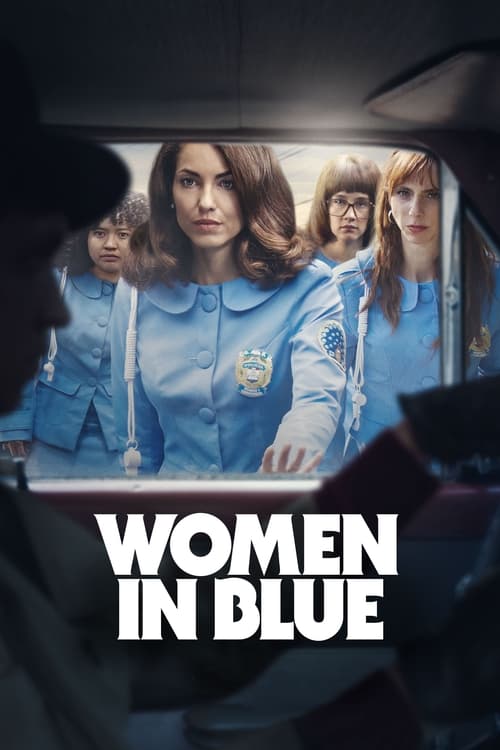

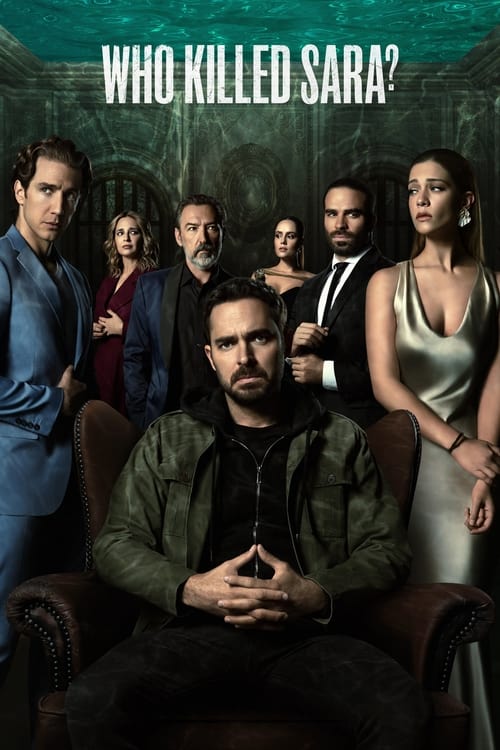


What is the ending?
In the ending of "La Jauría," the investigation into the disappearance of a young woman, María, reaches a climax as the truth about the perpetrators and their motivations is revealed. The main characters confront their own traumas and the systemic issues surrounding gender violence. The series concludes with a sense of unresolved tension, highlighting the ongoing struggle against misogyny and the fight for justice.
As the final episodes unfold, we see the investigation led by the determined police officer, Blanca, who has been deeply affected by the case. She is driven not only by her professional duty but also by her personal connection to the victims. The narrative shifts between her relentless pursuit of the truth and the harrowing experiences of the young women involved, particularly María and her friends.
In a pivotal scene, Blanca uncovers a hidden network of abusers, revealing the extent of the conspiracy that has allowed these crimes to persist. The tension escalates as she confronts the men involved, leading to a dramatic showdown. The emotional weight of the moment is palpable, as Blanca grapples with her own fears and the societal pressures that have silenced so many.
Meanwhile, María's friends, who have been portrayed as strong yet vulnerable, face their own demons. They are shown grappling with the trauma of their experiences, and their journey towards empowerment is a central theme. In the climax, they band together, showcasing their resilience and solidarity in the face of adversity.
As the series draws to a close, the fate of each character is revealed. Blanca, having faced the harsh realities of the justice system, is left with a bittersweet sense of accomplishment. She has made strides in the investigation, but the systemic issues remain largely unaddressed. María's friends, while they have found strength in their unity, are left with the scars of their experiences, symbolizing the ongoing battle against gender violence.
The final scenes leave viewers with a haunting reminder of the societal changes still needed, as the characters walk away from the confrontation, embodying both hope and despair. The series ends on a note that emphasizes the importance of continued activism and the fight for justice, leaving the audience to reflect on the harsh realities faced by many women in society.
Is there a post-credit scene?
La Jauría, the 2020 series, does not feature a post-credit scene. The show concludes its narrative without any additional scenes after the credits roll. The final moments of the series focus on the resolution of the main plotlines, leaving viewers with a sense of closure regarding the characters' journeys and the overarching themes of justice and accountability. The absence of a post-credit scene emphasizes the weight of the story's conclusion, allowing the audience to reflect on the events that have transpired throughout the series.
What motivates the character of Blanca to investigate the disappearance of her friend?
Blanca is driven by a deep sense of loyalty and guilt over her friend's disappearance. She feels a personal responsibility to uncover the truth, as she believes that her friend's fate is intertwined with her own past experiences of trauma and violence. This emotional burden propels her into a dangerous investigation, where she confronts her own fears and the societal issues surrounding gender-based violence.
How does the character of the detective, Antonia, evolve throughout the series?
Antonia starts as a hardened detective, grappling with her own demons and the weight of her past failures. As the investigation unfolds, she becomes more empathetic, particularly towards the victims and their families. Her interactions with Blanca and the other characters force her to confront her biases and the systemic issues within the police force, leading to a more nuanced understanding of justice and her role in it.
What role does the social media aspect play in the investigation of the missing girls?
Social media serves as a crucial tool in the investigation, highlighting the power of digital platforms in amplifying voices and raising awareness about the missing girls. It becomes a double-edged sword, as it also exposes the characters to public scrutiny and danger. The online interactions reveal the societal attitudes towards gender violence and the urgency of the case, while also complicating the investigation with misinformation and public pressure.
What is the significance of the character of the teacher, who is involved in the girls' lives?
The teacher represents the complexities of authority figures in the lives of the girls. Initially seen as a mentor, his character gradually reveals darker undertones, embodying the predatory nature that exists within trusted relationships. His interactions with the girls highlight the themes of manipulation and betrayal, as he becomes a focal point in understanding the systemic issues of abuse and the challenges in believing victims.
How does the series portray the relationship between the girls and their families?
The series intricately portrays the strained relationships between the girls and their families, often reflecting the broader societal issues of neglect and misunderstanding. Each girl's family reacts differently to the disappearance, ranging from denial to anger, showcasing the emotional turmoil and the varying degrees of support or blame. These dynamics add depth to the characters, illustrating how familial relationships can both hinder and help in the quest for truth.
Is this family friendly?
"La Jauría," produced in 2020, is a gripping drama that delves into serious and mature themes, making it unsuitable for children or sensitive viewers. The show contains several potentially objectionable or upsetting elements, including:
- Violence: There are scenes depicting physical violence, which can be intense and distressing.
- Sexual Assault: The narrative addresses themes of sexual violence and harassment, which are central to the plot and may be triggering for some viewers.
- Emotional Trauma: Characters experience significant emotional distress, including grief, fear, and anxiety, which can be heavy and unsettling.
- Substance Abuse: There are instances of drug use and its consequences, which may be inappropriate for younger audiences.
- Dark Themes: The overall tone of the series is dark, exploring issues of misogyny, power dynamics, and societal failures, which may be too intense for children.
Given these elements, "La Jauría" is best suited for mature audiences who can engage with its complex and often harrowing subject matter.