

















Popular
What motivates the character of Tirso to protect his granddaughter, and how does this influence his actions throughout the series?
How does the relationship between Tirso and his granddaughter, Nata, evolve throughout the series?
What role does the character of the local gang leader play in the conflict of the series?
How does the setting of the neighborhood influence the characters' decisions and relationships?
What are the key turning points in Tirso's character development throughout the series?
Should I watch it?
Ask Your Own Question

What is the plot?
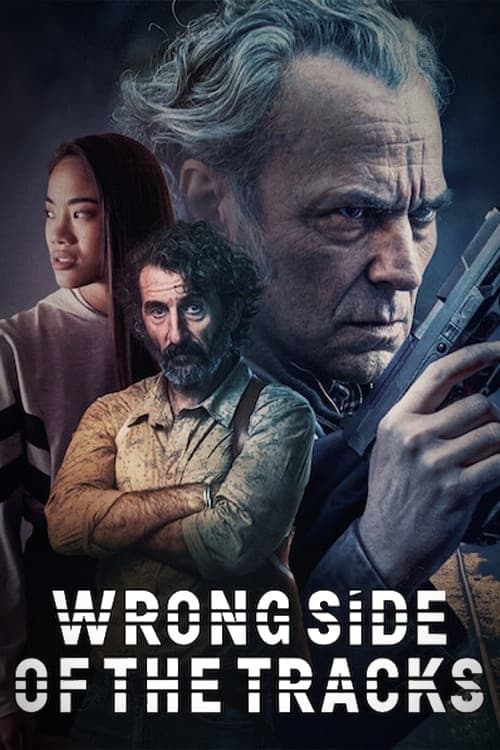
The story begins in a gritty neighborhood where the protagonist, Tirso Abad, a retired military man, lives with his teenage granddaughter, Nata. Tirso is protective of Nata, who is navigating the challenges of adolescence. The opening scenes establish their close bond, showcasing Tirso's dedication to keeping her safe in a rough environment plagued by crime and drugs.
One day, Nata is approached by a group of local delinquents who attempt to lure her into their world. Tirso, noticing her distress, intervenes and confronts the boys, asserting his authority and warning them to stay away from his granddaughter. This confrontation sets the tone for Tirso's character as a fierce protector, willing to stand up against the dangers surrounding them.
As the story progresses, Nata becomes increasingly rebellious, drawn to the allure of the local youth culture. She begins to secretly date a boy named Nano, who is involved in the drug scene. Tirso remains unaware of Nata's relationship, but he senses her growing distance and struggles to maintain their connection. The tension between them escalates as Nata's behavior becomes more erratic.
Tirso's life takes a dramatic turn when he discovers that Nata has been using drugs. He is devastated and confronts her about it, leading to a heated argument. Nata feels misunderstood and lashes out, accusing Tirso of being overprotective. This confrontation highlights the generational divide and the emotional turmoil both characters are experiencing.
In a pivotal moment, Nata is kidnapped by a gang as a form of retaliation against Tirso for his earlier confrontation. The gang members, led by a menacing figure named Chato, seek to punish Tirso for interfering in their business. Tirso is thrust into a desperate situation, and his military instincts kick in as he begins to strategize a rescue.
Tirso reaches out to his old military contacts for help, gathering a small group of allies who are willing to assist him in confronting the gang. They plan a rescue operation, which involves gathering intelligence on the gang's hideout. The tension builds as Tirso prepares for the confrontation, driven by his love for Nata and his determination to protect her at all costs.
The rescue operation unfolds in a series of intense scenes. Tirso and his allies infiltrate the gang's territory, showcasing their tactical skills. They engage in a series of confrontations with gang members, leading to a violent showdown. Tirso's military training is evident as he navigates the chaos, using both strategy and brute force to fight his way through.
During the rescue, Tirso finally confronts Chato. The two engage in a brutal fight, with Tirso fueled by a mix of rage and desperation. The fight is physical and raw, showcasing Tirso's determination to save Nata. Ultimately, Tirso overpowers Chato, but not without sustaining injuries himself. The emotional stakes are high as he fights not just for Nata's safety, but also to reclaim his role as her protector.
After a harrowing battle, Tirso successfully rescues Nata. The reunion is emotional, filled with relief and unspoken apologies. Nata realizes the depth of her grandfather's love and sacrifices, while Tirso acknowledges his need to trust her judgment. This moment marks a turning point in their relationship, as they begin to understand each other better.
In the aftermath of the rescue, the neighborhood is left reeling from the violence. Tirso and Nata face the consequences of their actions, both personally and within the community. They must navigate the fallout from the gang's retaliation and the impact it has on their lives. Tirso's reputation as a protector is solidified, but he also grapples with the reality of the world they live in.
As the series progresses, Tirso and Nata work to rebuild their lives, facing new challenges and threats. Their bond deepens as they confront the complexities of their environment together. The story explores themes of family, loyalty, and the struggle for survival in a world filled with danger, ultimately leading to a resolution that emphasizes the importance of connection and understanding amidst chaos.





What is the ending?
In the ending of "Wrong Side of the Tracks," the main character, Tano, confronts the consequences of his actions and the impact they have had on his family and community. The series culminates in a tense showdown that leads to significant changes for Tano and those around him, ultimately highlighting themes of redemption and the struggle against adversity.
As the final episodes unfold, Tano's journey reaches a critical point. The tension escalates when he learns that his daughter, who has been caught in the crossfire of the violent world he has tried to shield her from, is in danger. This revelation propels Tano into action, showcasing his fierce determination to protect his family at all costs.
In a pivotal scene, Tano confronts the gang members who have been terrorizing his neighborhood. The atmosphere is thick with tension as he stands firm, fueled by a mix of desperation and resolve. The confrontation is not just physical; it is a battle of wills, where Tano's love for his daughter and his desire to reclaim his community are laid bare. The stakes are high, and the emotional weight of his choices hangs heavily in the air.
As the conflict escalates, Tano's allies rally around him, showcasing the strength of community bonds. They come together to support him, illustrating the power of unity in the face of adversity. This moment serves as a turning point, where the characters' motivations are laid bare, revealing their deep-seated fears and hopes for a better future.
In the climax, Tano faces off against the gang leader in a dramatic showdown. The fight is intense, filled with raw emotion as Tano channels his pain and anger into every blow. The scene is visceral, capturing the physicality of the struggle and the emotional stakes involved. Ultimately, Tano emerges victorious, but not without scars--both physical and emotional.
In the aftermath, the community begins to heal. Tano's victory serves as a catalyst for change, inspiring others to stand up against the violence that has plagued their lives. The final scenes depict a sense of hope as Tano reconnects with his daughter, reaffirming their bond and the promise of a brighter future.
As the series concludes, Tano's journey reflects the complexities of fatherhood, the weight of past choices, and the possibility of redemption. Each character's fate is intertwined with Tano's, as they all begin to navigate the path toward healing and rebuilding their lives. The ending leaves viewers with a sense of closure, yet also an understanding that the fight for a better life is ongoing, resonating with the show's central themes of resilience and community.
Is there a post-credit scene?
In the TV show "Wrong Side of the Tracks," there is no post-credit scene. The series concludes its episodes without additional scenes after the credits, focusing instead on the main narrative and character arcs throughout the episodes. The storytelling is tightly woven, emphasizing the struggles and developments of the characters within the context of their environment and circumstances. Each episode wraps up its plotlines without extending into a post-credit sequence, maintaining the intensity and emotional weight of the story.
What motivates the character of Tirso to protect his granddaughter, and how does this influence his actions throughout the series?
Tirso, a retired military man, is deeply motivated by his love and sense of responsibility for his granddaughter, who is caught in a dangerous environment. His protective instincts drive him to confront the local gang that threatens her safety. This fierce dedication leads him to take drastic measures, including engaging in violent confrontations and forming alliances with unlikely characters, showcasing his internal struggle between his past and his desire to secure a better future for her.
How does the relationship between Tirso and his granddaughter, Nata, evolve throughout the series?
Initially, Tirso and Nata share a strained relationship, marked by generational misunderstandings and the weight of their circumstances. As the series progresses, their bond deepens as they face external threats together. Nata's resilience and Tirso's protective nature create moments of vulnerability and strength, allowing them to learn from each other. Their evolving dynamic highlights themes of trust, love, and the impact of their environment on familial ties.
What role does the character of the local gang leader play in the conflict of the series?
The local gang leader serves as the primary antagonist, embodying the chaos and danger that permeates the neighborhood. His ruthless tactics and manipulation of vulnerable individuals create a palpable tension throughout the series. His interactions with Tirso reveal a complex character who is not just a villain but also a product of his environment, which adds depth to the conflict. The gang leader's motivations and actions drive Tirso to make increasingly desperate choices to protect his family.
How does the setting of the neighborhood influence the characters' decisions and relationships?
The gritty, urban setting of the neighborhood is a character in itself, shaping the lives of Tirso, Nata, and the other residents. The constant threat of violence and crime forces characters to make difficult choices, often leading to moral dilemmas. The environment fosters a sense of community among some residents while simultaneously breeding distrust and fear. This duality influences how characters interact, with some forming alliances for survival while others succumb to the pressures of their surroundings.
What are the key turning points in Tirso's character development throughout the series?
Tirso's character development is marked by several key turning points, including his initial reluctance to engage with the gang and his eventual decision to confront them head-on. A pivotal moment occurs when he witnesses the direct impact of the gang's actions on Nata, igniting a fierce determination to protect her at all costs. As he faces the consequences of his choices, Tirso grapples with his past as a soldier and the moral implications of his current actions, leading to a profound transformation in his character.
Is this family friendly?
"Wrong Side of the Tracks" is a gritty drama that explores themes of crime, violence, and social issues, which may not be suitable for younger audiences or sensitive viewers. Here are some potentially objectionable or upsetting aspects:
-
Violence and Crime: The show features scenes of physical altercations, gang violence, and criminal activities that can be intense and graphic.
-
Drug Use: There are depictions of drug dealing and substance abuse, which may be distressing for some viewers.
-
Emotional Turmoil: Characters experience significant emotional struggles, including grief, betrayal, and trauma, which can be heavy and impactful.
-
Family Conflict: The show portrays strained family relationships and conflicts that may resonate negatively with viewers who have experienced similar issues.
-
Social Issues: Themes of poverty, discrimination, and societal neglect are prevalent, which may be upsetting for those sensitive to such topics.
Overall, the series contains mature themes and content that may not be appropriate for children or those who are easily disturbed.









