










Popular
How does the character of Kōsuke evolve throughout the series?
What is the significance of the character Kōsuke's relationship with the train station?
What role does the character of Kōsuke's childhood friend play in the story?
How does the series depict the theme of nostalgia through its characters?
What challenges do the characters face in their efforts to save the train station?
Should I watch it?
Ask Your Own Question

What is the plot?
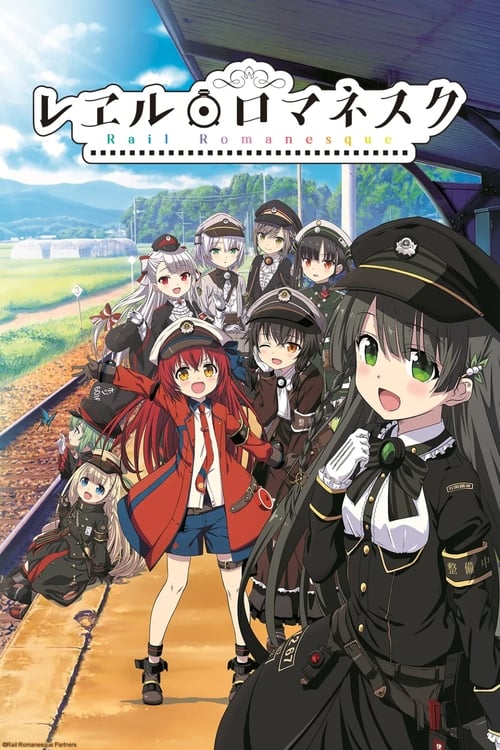
In the world of "Rail Romanesque," the story begins with the introduction of the protagonist, a young girl named Kaho. She lives in a small, rural town that is struggling with the decline of its railway system. Kaho is deeply connected to the trains and has a fascination with their mechanics and the stories they carry. Her life takes a turn when she discovers an old, abandoned train station that holds memories of the past and a sense of nostalgia for the once-thriving railway.
As Kaho explores the station, she encounters a mysterious figure, a train spirit named Ryou. Ryou is a manifestation of the spirit of the railway, embodying the essence of the trains and their journeys. He reveals to Kaho that the railway is in danger of being forgotten and that she has the power to help revive it. This revelation ignites a sense of purpose within Kaho, and she decides to take action to save the railway.
Kaho begins her quest by gathering a group of friends who share her passion for trains. Together, they embark on a mission to restore the old train station and bring life back to the railway. They face various challenges, including opposition from townsfolk who believe the railway is no longer needed. Kaho's determination and leadership inspire her friends, and they work tirelessly to clean up the station and repair the old trains.
As the group progresses, they uncover the history of the railway and the stories of the people who once relied on it. Each character in Kaho's group has their own personal connection to the railway, which deepens their commitment to the cause. They organize events to raise awareness and attract visitors to the station, showcasing the beauty and importance of the railway.
During this time, Kaho also grapples with her own insecurities and doubts. She worries about whether she is capable of making a real difference and fears that her efforts may be in vain. Ryou, as her guide, encourages her to believe in herself and the impact she can have on her community. Their bond grows stronger as they work together, and Kaho begins to embrace her role as a leader.
As the story progresses, the group faces a significant setback when a powerful corporation expresses interest in purchasing the land where the old train station is located. This corporation plans to demolish the station to build a shopping complex, which would erase the town's railway history. Kaho and her friends rally the community to fight against this development, organizing protests and petitions to save the station.
In a pivotal moment, Kaho confronts the corporation's representatives, passionately arguing for the importance of preserving the railway and its legacy. Her heartfelt speech resonates with the townspeople, and they unite in support of her cause. This moment marks a turning point in the story, as the community begins to recognize the value of their railway heritage.
As tensions rise, Kaho and her friends devise a plan to host a grand event at the train station, inviting everyone to experience the magic of the railway firsthand. They work tirelessly to prepare for the event, showcasing restored trains, local crafts, and stories from the past. The day of the event arrives, and the station is filled with laughter, music, and the sounds of trains.
However, just as the event reaches its peak, the corporation attempts to sabotage their efforts by sending in security to shut down the festivities. Kaho, fueled by her determination and the support of her friends, stands her ground and confronts the security personnel. A tense standoff ensues, with Kaho passionately defending the station and the community's right to celebrate their heritage.
In a climactic moment, Ryou reveals his true form, transforming into a magnificent train spirit that captivates everyone present. This display of magic and the emotional connection to the railway moves the crowd, and they rally behind Kaho, standing together against the corporation. The townspeople's unity and Kaho's bravery ultimately lead to the corporation backing down, allowing the station to remain intact.
In the aftermath, Kaho and her friends reflect on their journey and the bonds they have formed. The railway is saved, and the community comes together to celebrate their victory. Kaho realizes that her efforts have not only revived the railway but also strengthened the ties within her community. The story concludes with a sense of hope and renewal, as Kaho looks forward to the future of the railway and the adventures that lie ahead.




What is the ending?
In the ending of "Rail Romanesque," the main characters come to terms with their pasts and the future of their railway. The story culminates in a heartfelt resolution where they reaffirm their bonds and the importance of their shared journey.
As the final episode unfolds, the characters gather at the railway station, reflecting on their experiences. They face the reality of the railway's uncertain future but find strength in their friendships. The series concludes with a sense of hope and determination as they decide to continue their efforts to preserve the railway, symbolizing their commitment to each other and their dreams.
The final episode of "Rail Romanesque" opens with a serene morning at the railway station, the sun casting a warm glow over the tracks. The air is filled with a sense of nostalgia as the main characters--Kazuya, the earnest and determined protagonist; his childhood friend, the spirited and optimistic Aoi; and the wise, supportive elder, Mr. Takeda--gather for one last meeting. The atmosphere is heavy with unspoken emotions as they confront the impending closure of the railway line.
Scene 1: The Gathering Kazuya stands at the edge of the platform, his hands nervously fidgeting with a small model train. Aoi approaches him, her eyes sparkling with determination despite the sadness that lingers in the air. She places a reassuring hand on his shoulder, reminding him of the countless memories they've created together on this railway. Mr. Takeda joins them, his expression a mix of pride and sorrow, as he reflects on the history of the railway and the community it has fostered.
Scene 2: The Decision As they discuss the future, Kazuya expresses his fears about losing the railway, which has been a cornerstone of their lives. Aoi, ever the optimist, suggests they organize a final event to celebrate the railway and rally the community. Mr. Takeda, with a knowing smile, encourages them to pursue this idea, emphasizing the importance of their connections and the legacy they can leave behind.
Scene 3: The Farewell Event The scene shifts to the day of the farewell event. The station is bustling with townsfolk, all gathered to pay tribute to the railway. Colorful banners flutter in the breeze, and the sound of laughter fills the air. Kazuya, Aoi, and Mr. Takeda stand together, their hearts swelling with pride as they watch the community come together. They share stories, laughter, and tears, celebrating the railway's impact on their lives.
Scene 4: A New Beginning As the event draws to a close, Kazuya takes the stage, his voice trembling with emotion. He speaks passionately about the importance of the railway, not just as a means of transportation but as a symbol of their shared dreams and aspirations. The crowd listens intently, moved by his sincerity. Aoi stands beside him, her eyes shining with hope, while Mr. Takeda nods in approval, proud of the young people they have become.
Scene 5: The Future In the final moments, the characters stand together on the platform, watching the last train depart. Kazuya, Aoi, and Mr. Takeda share a quiet moment, understanding that while the railway may be closing, their bonds will remain strong. They make a pact to continue fighting for the railway's legacy, vowing to keep the spirit of their journey alive. The camera pans out, capturing the vibrant scene of the station filled with life, symbolizing the enduring connections forged through their shared experiences.
As the credits roll, viewers are left with a sense of closure and hope, knowing that while challenges lie ahead, the characters have found strength in their friendships and a renewed purpose in preserving their cherished memories.
Is there a post-credit scene?
In the anime series "Rail Romanesque," there is no post-credit scene. The episodes conclude without any additional content after the credits, focusing instead on the main narrative and character development throughout the episodes. The series centers around the personification of trains as young women, known as "Railways," and their interactions with the protagonist, a young man who becomes involved in their world. Each episode wraps up its storylines without extending into a post-credit sequence, maintaining a straightforward narrative structure.
How does the character of Kōsuke evolve throughout the series?
Kōsuke begins as a somewhat disillusioned and solitary figure, struggling with the changes in his life and the world around him. As the series progresses, he becomes more engaged with the community and the people around him, particularly through his interactions with the other characters who share his passion for trains. This evolution is marked by moments of vulnerability and growth, as he learns to embrace his past while looking forward to the future.
What is the significance of the character Kōsuke's relationship with the train station?
Kōsuke's relationship with the train station is central to his character development. He sees the station as a symbol of his past and a place of nostalgia, representing his childhood memories and the connections he has lost over time. His emotional attachment to the station drives him to protect it from being demolished, showcasing his determination and deep-seated feelings of attachment.
What role does the character of Kōsuke's childhood friend play in the story?
Kōsuke's childhood friend serves as a catalyst for his emotional journey. Their reunion brings back memories of their shared love for trains and the innocence of their youth. This character challenges Kōsuke to confront his feelings of nostalgia and regret, ultimately pushing him to take action to preserve the train station and reconnect with his own dreams.
How does the series depict the theme of nostalgia through its characters?
The series intricately weaves nostalgia into the lives of its characters, particularly through Kōsuke and his friends, who reminisce about their childhood experiences at the train station. Each character's backstory reveals their personal connections to the trains and the station, illustrating how these memories shape their identities and motivations. The emotional weight of nostalgia is portrayed through their interactions and the decisions they make to honor their past.
What challenges do the characters face in their efforts to save the train station?
The characters face numerous challenges in their quest to save the train station, including bureaucratic obstacles, financial constraints, and the indifference of the local government. Additionally, they must confront their own fears and insecurities, as they rally the community to support their cause. These challenges test their resolve and ultimately strengthen their bonds as they work together to preserve a piece of their shared history.
Is this family friendly?
"Rail Romanesque" is generally considered family-friendly, but it does contain some elements that may be sensitive for younger viewers or those who are particularly sensitive. Here are a few aspects to be aware of:
-
Emotional Themes: The show explores themes of nostalgia, loss, and the passage of time, which may evoke strong emotions. Some scenes may be poignant or melancholic, potentially leading to feelings of sadness.
-
Mild Conflict: There are moments of conflict between characters, including misunderstandings and disagreements. While these are resolved positively, the tension may be unsettling for some children.
-
Character Struggles: Some characters face personal challenges and struggles, which may include feelings of inadequacy or loneliness. These themes are handled with care but could resonate deeply with sensitive viewers.
-
Visuals of Abandonment: The show features scenes of abandoned places and trains, which may evoke feelings of eeriness or sadness, particularly for younger viewers who might find such imagery unsettling.
Overall, while "Rail Romanesque" is suitable for a family audience, parents may want to watch it with younger children to discuss any emotional themes that arise.









