






Popular
What are the main themes explored in the first episode of Pan y Circo?
How does the character of the host, Diego Luna, contribute to the discussions in Pan y Circo?
What specific issues are addressed in the episode featuring the topic of migration?
How do the guests' backgrounds influence their perspectives during the discussions?
What role does food play in the narrative structure of Pan y Circo?
Should I watch it?
Ask Your Own Question

What is the plot?
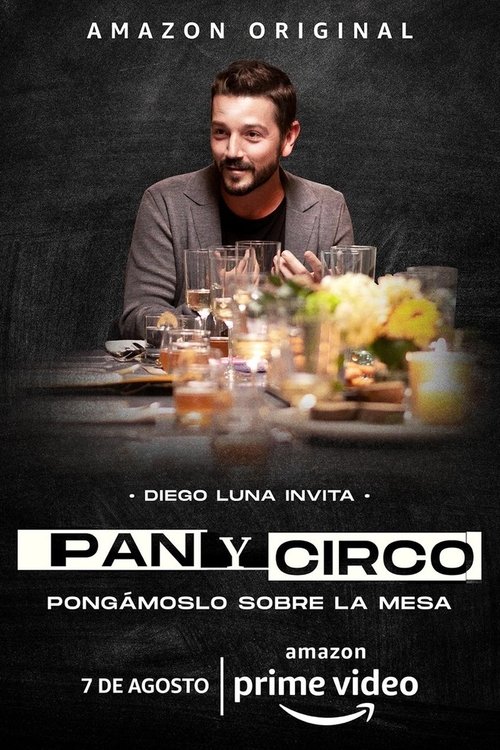
"Pan y Circo" is an anthology series that explores various social issues through the lens of a dinner party format, where guests engage in deep conversations while sharing a meal. Each episode focuses on a different theme and features a unique set of guests, including activists, politicians, artists, and everyday people.
In the first episode, the theme revolves around the concept of "freedom." The host, Diego Luna, invites a diverse group of guests to discuss their perspectives on freedom in contemporary society. The guests include a human rights activist, a journalist, and a politician. As they sit around the table, the conversation begins with personal anecdotes about their experiences with freedom and oppression. The activist shares a harrowing story of her fight against government censorship, which evokes strong emotional responses from the other guests. The journalist adds a layer of complexity by discussing the role of media in shaping public perception of freedom.
As the dinner progresses, tensions rise when the politician defends controversial policies that the activist vehemently opposes. The discussion becomes heated, with guests interrupting each other and raising their voices. Diego Luna attempts to mediate the conversation, encouraging each guest to express their views while maintaining respect for differing opinions. The atmosphere is charged with emotion, as personal stakes are revealed, and the guests confront their own biases and beliefs.
In the second episode, the theme shifts to "identity." The guests include a transgender activist, a cultural historian, and a celebrity. The conversation begins with the activist sharing her journey of self-discovery and the challenges she faced in society. The cultural historian provides context about the historical treatment of marginalized identities, while the celebrity reflects on their own experiences with public perception and identity. The dialogue is rich with personal stories, and the guests connect over shared experiences of struggle and resilience.
As the night unfolds, the discussion takes a turn when the celebrity makes a controversial statement about the responsibilities of public figures in advocating for social change. The activist challenges this notion, arguing that true advocacy requires more than just words. The tension escalates as the guests grapple with the complexities of identity and the societal expectations placed upon them. Diego Luna facilitates the conversation, ensuring that all voices are heard, but the emotional weight of the topic leaves a lasting impact on the guests.
The third episode centers on "inequality." The guests include an economist, a community organizer, and a business owner. The conversation begins with the economist presenting statistics on wealth disparity, which sparks a debate about the root causes of inequality. The community organizer shares firsthand accounts of the struggles faced by low-income families, while the business owner defends capitalism and the opportunities it provides. The differing perspectives create a dynamic discussion, with each guest passionately advocating for their viewpoint.
As the dinner progresses, the conversation becomes increasingly contentious. The community organizer challenges the business owner's assumptions about success and privilege, leading to a heated exchange. Diego Luna steps in to remind the guests of the importance of empathy and understanding, urging them to consider the human impact of their arguments. The emotional stakes rise as personal stories of hardship and triumph are shared, revealing the deep-seated beliefs that drive each guest's perspective.
In the final episode, the theme is "hope." The guests include a climate activist, a scientist, and a philosopher. The conversation begins with the climate activist discussing the urgency of addressing environmental issues and the need for collective action. The scientist provides data on climate change, while the philosopher reflects on the philosophical implications of hope in the face of adversity. The dialogue is both inspiring and sobering, as the guests grapple with the challenges ahead.
As the night unfolds, the conversation shifts to the role of individual action versus systemic change. The climate activist emphasizes the importance of grassroots movements, while the scientist argues for policy changes at a governmental level. The philosopher offers a more existential perspective, questioning the nature of hope itself. The emotional intensity of the discussion culminates in a moment of vulnerability, as each guest shares their personal sources of hope and motivation.
Throughout the series, Diego Luna serves as a thoughtful host, guiding the conversations with sensitivity and insight. The guests' interactions reveal the complexities of the issues at hand, and the dinner setting creates an intimate atmosphere for deep reflection and connection. Each episode concludes with a sense of unresolved tension, leaving viewers to ponder the themes discussed and the impact of the conversations on the guests' lives.




What is the ending?
"Pan y Circo" does not have a traditional narrative ending as it is an anthology series that explores various social and political issues through conversations and debates among its guests. Each episode concludes with the participants reflecting on their discussions, but there is no singular plot resolution or character arc that culminates in a definitive ending.
In a more detailed narrative fashion, the series unfolds through a series of episodes, each featuring a different theme and set of guests. The show is hosted by the charismatic chef and activist, Diego Luna, who facilitates discussions around pressing societal issues, such as immigration, gender equality, and the impact of violence.
As the episodes progress, viewers witness a range of emotions from the participants. In one episode, the guests include activists, politicians, and artists who share their personal stories and experiences related to the theme of the night. The atmosphere is charged with passion and sometimes tension as differing viewpoints clash.
In the final moments of each episode, the guests often engage in a reflective dialogue, contemplating the insights gained from their discussions. They express a mix of hope and frustration, acknowledging the complexity of the issues at hand. The camera captures their candid reactions, showcasing a blend of determination and vulnerability.
The series concludes with Diego Luna summarizing the key takeaways from the conversations, emphasizing the importance of dialogue and understanding in addressing societal challenges. Each character leaves with a sense of purpose, motivated to continue advocating for change in their respective fields.
Ultimately, "Pan y Circo" does not provide a conventional ending but rather leaves viewers with a call to action, encouraging them to engage in conversations about the issues that matter most. The fate of each participant is not defined by a narrative conclusion but rather by their ongoing commitment to the causes they represent.
Is there a post-credit scene?
"Pan y Circo," produced in 2020, does not feature post-credit scenes. The show, hosted by Diego Luna, is structured around a series of dinner conversations that tackle various social and political issues in Mexico. Each episode concludes with a wrap-up of the discussions held during the meal, focusing on the themes explored and the insights shared by the guests. The format emphasizes the importance of dialogue and reflection rather than traditional cinematic elements like post-credit scenes. Therefore, viewers can expect a conclusive end to each episode without additional content after the credits.
What are the main themes explored in the first episode of Pan y Circo?
The first episode of Pan y Circo delves into the theme of social inequality, focusing on the stark contrasts between the lives of the wealthy and the impoverished in Mexico. It features a dinner conversation among guests from various backgrounds, highlighting their differing perspectives on privilege and responsibility.
How does the character of the host, Diego Luna, contribute to the discussions in Pan y Circo?
Diego Luna, as the host, plays a pivotal role in guiding the conversations. His charisma and ability to connect with guests allow for a more intimate exploration of sensitive topics. He often shares personal anecdotes that resonate with the themes being discussed, creating a bridge between the audience and the guests.
What specific issues are addressed in the episode featuring the topic of migration?
In the migration-themed episode, the guests share personal stories and experiences related to migration, discussing the challenges faced by migrants, the impact of policies, and the human stories behind the statistics. The emotional weight of these narratives is palpable, as guests express their fears, hopes, and the longing for a better life.
How do the guests' backgrounds influence their perspectives during the discussions?
The diverse backgrounds of the guests significantly shape their viewpoints. For instance, a guest from a wealthy background may approach issues of poverty with a sense of detachment, while a guest who has experienced hardship brings a raw, emotional perspective. This contrast creates a dynamic tension in the conversations, revealing the complexities of each issue.
What role does food play in the narrative structure of Pan y Circo?
Food serves as a central element in Pan y Circo, acting as both a literal and metaphorical vehicle for connection. Each episode features a carefully curated menu that reflects the themes being discussed, with dishes that evoke cultural significance. The act of sharing a meal fosters intimacy among guests, allowing for deeper, more vulnerable conversations.
Is this family friendly?
"Pan y Circo," produced in 2020, is a docuseries that delves into various social and political issues through the lens of food and conversation. While it presents important themes, it may not be considered family-friendly for younger audiences or sensitive viewers due to several aspects:
-
Mature Themes: The series addresses complex and often heavy topics such as poverty, inequality, and social justice, which may be difficult for children to understand.
-
Strong Language: Some episodes feature strong language and discussions that may not be suitable for younger viewers.
-
Emotional Discussions: The conversations can become intense and emotional, touching on personal stories of struggle and hardship that might be upsetting for sensitive individuals.
-
Graphic Content: Certain episodes may include discussions or visuals related to violence, discrimination, or other distressing societal issues.
-
Political Content: The series often critiques political systems and figures, which may not resonate well with all audiences, especially younger viewers who may not have the context to understand these discussions.
Overall, while "Pan y Circo" aims to provoke thought and discussion, its content may be more appropriate for mature audiences.