








Popular
What motivates Verônica to investigate the cases of the women she encounters?
How does Verônica's relationship with her husband affect her investigation?
What role does the character of the serial killer play in Verônica's journey?
How does the character of Janete influence Verônica's actions throughout the series?
What challenges does Verônica face from her colleagues in the police department?
Should I watch it?
Ask Your Own Question

What is the plot?
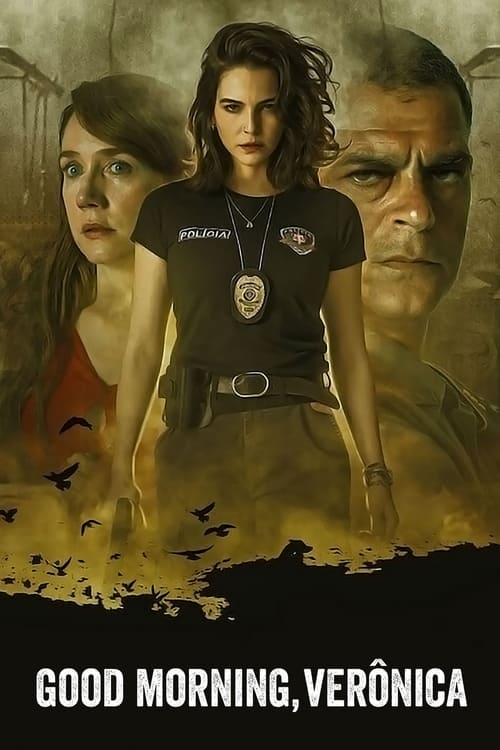
Verônica Torres, a police clerk in São Paulo, begins her day with a routine that includes a morning greeting to her husband, a loving but somewhat distant relationship. She is dedicated to her job, but her life takes a dark turn when she receives a call from a woman named Camila, who is in distress and reveals that she is being abused by her husband. Verônica is deeply affected by the call and feels compelled to help Camila, despite the risks involved.
As Verônica investigates further, she discovers that Camila is not the only victim. She learns about a series of unsolved cases involving missing women, which seem to be connected to a powerful and dangerous man named Dr. Afonso. Verônica's determination to uncover the truth grows stronger, and she begins to dig deeper into the lives of the victims, interviewing family members and friends. Her investigation leads her to a disturbing pattern of abuse and manipulation, revealing the extent of Dr. Afonso's influence.
Verônica's personal life begins to unravel as she becomes more consumed by her investigation. Her husband, who is supportive but increasingly worried about her safety, tries to convince her to let the police handle the case. However, Verônica feels a strong moral obligation to take action herself. She starts to receive threatening messages, warning her to stop her investigation, which only fuels her resolve.
In a pivotal moment, Verônica confronts Dr. Afonso directly, posing as a potential patient. During this encounter, she witnesses his charm and manipulation firsthand, which only solidifies her belief that he is a dangerous predator. She manages to gather evidence against him, but the stakes are raised when Camila goes missing, prompting Verônica to act quickly.
Verônica teams up with a fellow officer, who shares her concerns about the missing women. Together, they work to piece together the evidence, leading them to a hidden location where Dr. Afonso is believed to be keeping his victims. The tension escalates as they prepare to confront him, knowing that time is running out for Camila and possibly other women.
In a climactic scene, Verônica and her partner raid Dr. Afonso's hideout. They encounter resistance, and a physical confrontation ensues. Verônica fights fiercely, driven by her desire to save Camila and bring Dr. Afonso to justice. The struggle is intense, with Verônica using her wits and determination to outmaneuver Dr. Afonso's henchmen.
After a harrowing battle, Verônica manages to rescue Camila, who is traumatized but alive. They escape just as the police arrive, having been tipped off by Verônica's earlier investigation. Dr. Afonso is apprehended, but not without a final confrontation where he tries to manipulate Verônica, revealing his true nature as a master manipulator.
In the aftermath, Verônica grapples with the emotional toll of her experiences. She reflects on the impact of her actions, the lives she has touched, and the darkness she has faced. The series concludes with Verônica finding a renewed sense of purpose, ready to continue fighting for justice for those who cannot fight for themselves, while also working to heal her own wounds.







What is the ending?
In the ending of "Good Morning, Verônica," Verônica confronts the truth about her own life and the lives of the women she has been trying to save. The series culminates in a tense showdown with the antagonist, and Verônica ultimately takes a stand against the cycle of violence and abuse. The fates of the main characters are revealed, with some finding closure while others face dire consequences for their actions.
As the final episodes unfold, Verônica, played by Tainá Müller, is deeply entrenched in her investigation into the disappearances of women and the abusive relationships that plague them. The tension escalates as she uncovers the dark secrets surrounding the powerful figures involved in these crimes.
In a pivotal scene, Verônica confronts the main antagonist, a man who has been orchestrating the violence against women. The confrontation is fraught with emotion, as Verônica's determination to protect the vulnerable women she has encountered fuels her courage. She is not just fighting for justice; she is fighting for her own redemption and the memory of those who have suffered.
As the climax approaches, Verônica's personal life also comes into play. Her relationship with her husband, who has been oblivious to the dangers she faces, reaches a breaking point. He becomes increasingly worried about her safety, but Verônica is resolute. She understands that she must face the darkness head-on, even if it means putting herself at risk.
In the final confrontation, Verônica's bravery shines through. She manages to expose the antagonist's crimes, leading to a dramatic showdown that results in his arrest. However, the emotional toll on Verônica is significant. She grapples with the trauma of what she has witnessed and the lives that have been lost.
The series concludes with Verônica standing strong, having taken a stand against the injustices that have plagued her community. The fate of the women she sought to protect is left somewhat ambiguous, but there is a sense of hope that her actions will inspire change. Verônica's journey is one of resilience, and while she has faced immense challenges, she emerges as a symbol of strength and determination.
In the end, Verônica's character arc is complete; she has transformed from a mere observer of the injustices around her into an active participant in the fight against them. The series closes on a note of empowerment, emphasizing the importance of standing up against violence and advocating for those who cannot advocate for themselves.
Is there a post-credit scene?
In the TV show "Good Morning, Verônica," there is no post-credit scene. The series concludes without any additional scenes after the credits, wrapping up the intense and suspenseful narrative that follows the protagonist, Verônica, as she navigates the dark and complex world of crime and domestic violence. The final moments of the show focus on the resolution of the main plotlines, leaving viewers with a sense of closure regarding Verônica's journey and the fates of the characters involved. The absence of a post-credit scene emphasizes the weight of the story's themes and the emotional impact of the conclusion.
What motivates Verônica to investigate the cases of the women she encounters?
Verônica, a dedicated police clerk, is driven by a deep sense of justice and empathy for the victims she learns about. Her own experiences with trauma and the oppressive environment she witnesses in her job fuel her determination to uncover the truth and help those who are suffering.
How does Verônica's relationship with her husband affect her investigation?
Verônica's relationship with her husband, who is often dismissive of her work and struggles to understand her obsession with the cases, creates internal conflict for her. She feels torn between her duties as a wife and mother and her commitment to seeking justice, which ultimately leads to tension and emotional distance in their marriage.
What role does the character of the serial killer play in Verônica's journey?
The serial killer serves as a dark catalyst for Verônica's transformation. As she delves deeper into the investigation, the killer's actions not only heighten the stakes but also force Verônica to confront her own fears and vulnerabilities, pushing her to become more resourceful and resilient.
How does the character of Janete influence Verônica's actions throughout the series?
Janete, a victim of domestic abuse, becomes a pivotal figure in Verônica's investigation. Her plight resonates deeply with Verônica, motivating her to take risks and challenge the system that often fails women. Janete's story serves as a mirror to Verônica's own struggles, reinforcing her resolve to fight for justice.
What challenges does Verônica face from her colleagues in the police department?
Verônica encounters skepticism and resistance from her colleagues, who often dismiss her concerns and undermine her efforts. This creates a hostile work environment, forcing her to navigate not only the complexities of her investigation but also the misogyny and bureaucratic obstacles within the police force.
Is this family friendly?
"Good Morning, Verônica" is not considered family-friendly due to its mature themes and content. The show contains several potentially objectionable or upsetting scenes, including:
-
Violence and Abuse: The series features graphic depictions of domestic violence and emotional abuse, which can be distressing for viewers, particularly children or sensitive individuals.
-
Suicide and Self-Harm: There are references to suicide and self-harm, which are handled in a serious manner and may trigger emotional responses.
-
Sexual Assault: The narrative includes themes of sexual violence and exploitation, which are portrayed in a raw and impactful way.
-
Mature Language: The dialogue includes strong language and adult themes that may not be suitable for younger audiences.
-
Psychological Trauma: Characters experience significant psychological distress, which is explored in depth, potentially affecting viewers who are sensitive to such topics.
Overall, the show delves into dark and complex issues that may not be appropriate for children or those who are easily upset by intense emotional and psychological content.