









Popular
How does Verônica's relationship with her husband affect her investigation?
What challenges does Verônica face from her colleagues in the police department?
What motivates Verônica to investigate the cases she becomes involved in?
What role does the character of Janete play in Verônica's journey?
How does the character of the serial killer impact the narrative?
Should I watch it?
Ask Your Own Question

What is the plot?
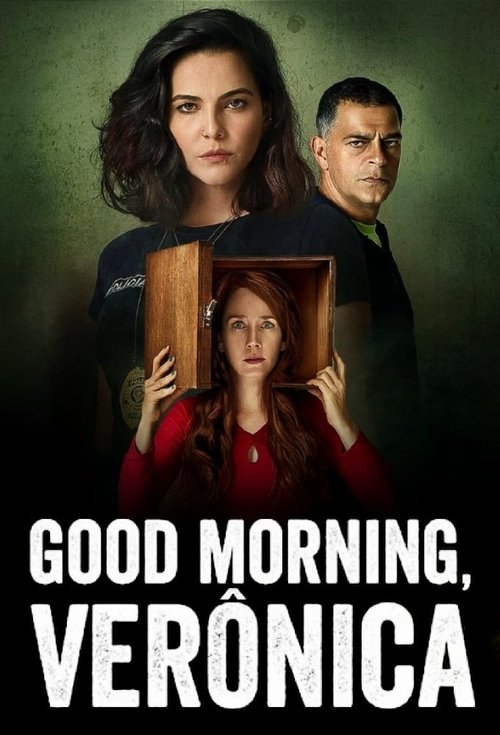
Verônica Torres, a dedicated police clerk in São Paulo, begins her day like any other, but her routine is disrupted when she receives a call about a woman who has committed suicide. The victim is a young woman named Camila, who had been reported missing. Verônica is deeply affected by the case, especially when she learns that Camila had been a victim of domestic violence. This incident ignites a fire within her to seek justice for women who suffer in silence.
As Verônica investigates further, she discovers that Camila had been in a relationship with a man named Paulo, who is revealed to have a violent past. Verônica's determination to uncover the truth leads her to confront her own traumatic experiences with her abusive husband, which she has kept buried. This personal connection fuels her resolve to help other women like Camila.
Verônica's investigation takes a turn when she receives an anonymous message from a woman named Tânia, who claims to have information about Camila's death. Tânia is terrified and hesitant to come forward, fearing for her safety. Verônica reassures her and promises to protect her. This moment highlights Verônica's growing sense of responsibility and her commitment to helping those in need.
As Verônica delves deeper into the case, she uncovers a network of women who have been victims of abuse at the hands of their partners. She learns that many of them are too afraid to speak out due to the fear of retaliation. Verônica's empathy for these women grows, and she becomes increasingly frustrated with the system that fails to protect them. Her internal struggle intensifies as she grapples with her own past and the societal norms that perpetuate violence against women.
Verônica's investigation leads her to confront Paulo directly. During a tense encounter, she questions him about Camila and his history of violence. Paulo's demeanor is cold and dismissive, revealing his lack of remorse. This confrontation serves as a catalyst for Verônica, pushing her to take more drastic measures to ensure justice for Camila and the other women.
In a pivotal moment, Verônica decides to go undercover to gather more evidence against Paulo. She adopts a new identity and begins to infiltrate the circles of men who perpetuate violence against women. This risky decision showcases her bravery and determination, but it also puts her in grave danger. As she navigates this treacherous world, Verônica faces numerous challenges, including threats from those who wish to silence her.
As the investigation progresses, Verônica receives a shocking revelation from Tânia, who reveals that she witnessed Camila's death. Tânia's testimony is crucial, but she is terrified of coming forward. Verônica reassures her and vows to protect her, but the pressure mounts as they both realize the risks involved. This moment deepens their bond and highlights the theme of solidarity among women.
The tension escalates when Verônica's husband, who is unaware of her secret investigation, begins to suspect that something is amiss. He confronts her about her late nights and secretive behavior, leading to a heated argument. Verônica's internal conflict grows as she balances her commitment to justice with her responsibilities as a wife and mother. This confrontation serves as a reminder of the personal stakes involved in her quest for truth.
In a climactic sequence, Verônica and Tânia decide to go public with their findings, organizing a press conference to expose the systemic abuse faced by women. The event garners significant media attention, but it also attracts the ire of powerful men who wish to silence them. As the pressure mounts, Verônica must navigate threats and intimidation tactics aimed at dissuading her from pursuing the case.
The series reaches a boiling point when Verônica is confronted by Paulo and his associates. In a tense showdown, they attempt to intimidate her into backing down. Verônica stands her ground, fueled by her determination to seek justice for Camila and the other victims. This confrontation is fraught with danger, showcasing Verônica's bravery and resilience in the face of overwhelming odds.
As the season progresses, Verônica's personal life begins to unravel. Her husband becomes increasingly suspicious and confrontational, leading to a breakdown in their relationship. Verônica's commitment to her cause strains her family dynamics, forcing her to make difficult choices about where her loyalties lie. This internal struggle adds depth to her character and highlights the sacrifices she must make for her mission.
In the final episodes, Verônica's investigation culminates in a dramatic confrontation with the authorities. Armed with evidence and testimonies from the women she has helped, she presents her case to the police. However, she faces resistance from those within the system who are reluctant to take action against powerful men. This moment underscores the challenges faced by women seeking justice in a patriarchal society.
The season concludes with a cliffhanger, as Verônica receives a threatening message from an unknown source, warning her to stop her investigation. This ominous development leaves viewers on edge, questioning the future of Verônica's quest for justice and the safety of the women she has fought so hard to protect. The unresolved tension sets the stage for potential developments in a subsequent season, leaving the audience eager for more.







What is the ending?
In the ending of "Good Morning, Verônica," Verônica uncovers the truth about the crimes surrounding her and the lives of the women she has been trying to help. The series culminates in a tense confrontation that reveals the dark connections between the characters. Verônica's determination leads to a resolution, but not without significant personal cost. The fates of the main characters are intertwined with the revelations, leading to a bittersweet conclusion.
As the final episodes unfold, Verônica, a dedicated police clerk, finds herself deeply entangled in a web of violence and corruption. The tension escalates when she confronts the true nature of the crimes committed against women in her city.
Scene by scene, the narrative begins with Verônica's relentless pursuit of justice for the victims she has been investigating. She is driven by a sense of duty and a personal connection to the cases, particularly that of a woman named Camila, who has suffered at the hands of her abusive husband. Verônica's emotional state is one of urgency and desperation as she realizes the extent of the danger surrounding her.
In a pivotal moment, Verônica discovers that the police department is not only inept but also complicit in the cover-up of these crimes. This revelation fuels her resolve, and she begins to take matters into her own hands. She reaches out to Camila, who is living in fear, and encourages her to stand up against her abuser. The emotional weight of this scene is palpable, as both women share their fears and hopes for a better future.
As Verônica digs deeper, she encounters the character of the serial killer, who has been eluding the authorities. The tension builds as she pieces together clues that lead her closer to the truth. In a gripping sequence, Verônica confronts the killer, showcasing her bravery and determination. The stakes are high, and the atmosphere is charged with suspense as she navigates this dangerous encounter.
The climax of the series occurs when Verônica finally exposes the corruption within the police force and the connections to the serial killer. This moment is fraught with emotion, as Verônica realizes the personal sacrifices she has made in her quest for justice. The confrontation leads to a dramatic showdown, where the fates of the main characters hang in the balance.
In the aftermath, Verônica's actions lead to significant changes within the police department, but not without consequences. She faces backlash for her boldness, and her personal life is irrevocably altered. The emotional toll of her journey is evident as she grapples with the impact of her choices.
Camila, having found her voice through Verônica's support, takes a stand against her abuser, leading to a moment of empowerment. However, the scars of her trauma remain, highlighting the ongoing struggle for women facing violence.
The series concludes with Verônica reflecting on her journey, the lives she has touched, and the darkness she has confronted. The final scenes emphasize her resilience and the importance of standing up against injustice, even when the path is fraught with danger. The fates of the characters serve as a reminder of the complexities of human relationships and the fight for justice in a flawed system.
Is there a post-credit scene?
In "Good Morning, Verônica," Season 1, there is no post-credit scene. The season concludes without any additional scenes after the credits, focusing instead on wrapping up the intense narrative and character arcs established throughout the episodes. The final moments leave viewers with a sense of resolution regarding Verônica's journey, while also hinting at the ongoing struggles and complexities of the characters' lives. The absence of a post-credit scene emphasizes the weight of the story's conclusion, allowing the audience to reflect on the themes of justice, trauma, and resilience that permeate the series.
How does Verônica's relationship with her husband affect her investigation?
Verônica's relationship with her husband, who is often dismissive of her work and concerned about her safety, creates a tension that complicates her investigation. His lack of support makes her feel isolated, yet it also strengthens her resolve to prove herself. As she delves deeper into the dark world of crime, the strain on their marriage becomes evident, highlighting her internal conflict between familial obligations and her commitment to justice.
What challenges does Verônica face from her colleagues in the police department?
Verônica encounters significant challenges from her colleagues, who often underestimate her abilities and dismiss her findings. Their skepticism and the bureaucratic obstacles she faces create a hostile environment that tests her resilience. Despite this, Verônica's determination to prove herself and her commitment to the victims drive her to navigate these challenges, often leading her to work outside the conventional boundaries of her role.
What motivates Verônica to investigate the cases she becomes involved in?
Verônica, a dedicated police clerk, is driven by a deep sense of justice and empathy for the victims she encounters. Her own experiences with trauma and loss fuel her determination to uncover the truth, especially when she learns about the plight of women suffering from domestic violence. This personal connection to the victims' struggles compels her to take risks and pursue leads that others might overlook.
What role does the character of Janete play in Verônica's journey?
Janete, a victim of domestic abuse, becomes a pivotal figure in Verônica's investigation. Her harrowing story and desperate situation resonate with Verônica, pushing her to take action. Janete's courage in sharing her experiences not only inspires Verônica but also serves as a catalyst for the unfolding events, as Verônica seeks to protect her and bring her abuser to justice.
How does the character of the serial killer impact the narrative?
The serial killer, whose identity is gradually revealed throughout the season, serves as a dark shadow over Verônica's investigation. His chilling methods and the psychological games he plays create a sense of urgency and danger. As Verônica uncovers clues, the killer's presence looms larger, intensifying the stakes and forcing her to confront her own fears and vulnerabilities.
Is this family friendly?
"Good Morning, Verônica" is a psychological thriller that contains several elements that may not be suitable for children or sensitive viewers. Here are some potentially objectionable or upsetting aspects:
-
Violence and Abuse: The series includes scenes depicting domestic violence and emotional abuse, which can be distressing to watch.
-
Murder and Crime: There are references to murder and criminal activities, with some scenes showing the aftermath of violent acts.
-
Sexual Assault: The show addresses themes of sexual violence, including discussions and implications of sexual assault, which may be triggering for some viewers.
-
Mental Health Issues: Characters struggle with trauma and mental health challenges, which are portrayed in a raw and realistic manner.
-
Dark Themes: The overall tone of the series is dark and suspenseful, dealing with serious societal issues that may be unsettling.
These elements contribute to the show's mature rating and may not be appropriate for younger audiences or those sensitive to such topics.