







Popular
What is the significance of the Wonder Eggs in the story?
Who are the main characters that Ai Ohto helps through the Wonder Eggs?
What role does the character of Momoe play in the story?
How does Ai's relationship with her deceased friend, Koito, influence her actions?
What is the significance of the recurring theme of suicide in the series?
Should I watch it?
Ask Your Own Question

What is the plot?
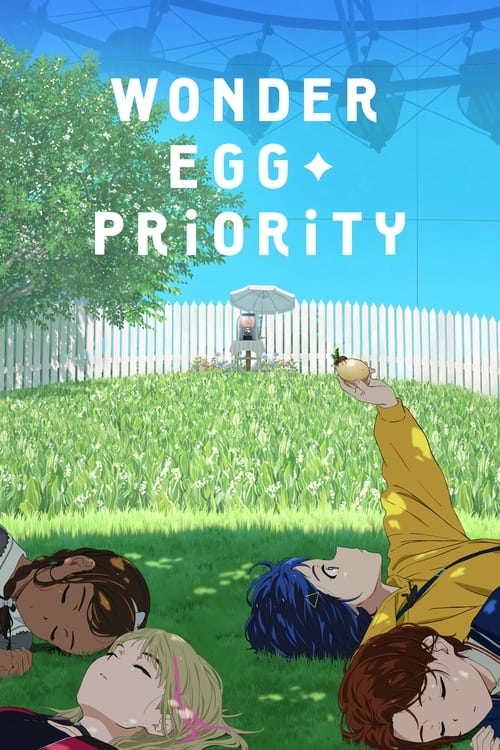
Ai Ohto, a young girl struggling with the trauma of her friend's suicide, discovers a mysterious place called the "Wonder Egg" after a chance encounter with a strange girl named Neiru Aonuma. One night, while feeling overwhelmed by her emotions, Ai finds herself in a surreal world where she can enter the Wonder Egg, which allows her to save girls who are suffering from various forms of trauma and despair. Each time she enters, she is tasked with confronting the girls' inner demons and helping them find peace.
In her first journey, Ai enters the Wonder Egg and meets a girl named Momoe Sawaki, who is tormented by her experiences of bullying and isolation. Ai witnesses Momoe's struggles and the manifestation of her pain in the form of monstrous creatures. Ai fights these creatures, using her determination and empathy to protect Momoe. After a fierce battle, Ai helps Momoe confront her fears, leading to a moment of catharsis where Momoe is able to let go of her pain and ultimately chooses to move on.
After successfully saving Momoe, Ai returns to the real world, feeling a mix of relief and confusion. She meets Neiru again, who reveals that she is also entering the Wonder Egg to save others. Neiru shares her own motivations, hinting at a deeper connection to the world they are entering. Ai learns that the girls they save are often reflections of their own struggles, and she begins to understand the weight of her own unresolved feelings regarding her friend's death.
As Ai continues her journey, she encounters another girl named Rika Kawai, who is dealing with the trauma of being sexually assaulted. Rika's inner demons take the form of a grotesque representation of her abuser. Ai and Rika engage in a brutal confrontation with these manifestations, showcasing Rika's anger and pain. Ai supports Rika through the fight, encouraging her to reclaim her power. After a harrowing battle, Rika confronts her trauma, and with Ai's help, she is able to find closure and move forward.
Throughout these experiences, Ai grapples with her own feelings of guilt and helplessness regarding her friend, Koito, who had taken her own life. The emotional weight of her memories and the unresolved questions about Koito's death haunt Ai, driving her to seek answers. She becomes increasingly determined to understand the circumstances surrounding Koito's suicide, believing that if she can save others, she might also find a way to save Koito.
As Ai continues to enter the Wonder Egg, she meets a girl named Shuu, who is struggling with her identity and the pressure of societal expectations. Shuu's inner turmoil manifests as a battle against her own self-image. Ai witnesses Shuu's fight against her insecurities and the external pressures that have led her to a dark place. Together, they confront the manifestations of Shuu's self-doubt, and through their struggle, Ai learns more about the importance of self-acceptance.
The narrative deepens as Ai, Neiru, and Rika form a bond, sharing their experiences and supporting one another. They begin to realize that their journeys are interconnected, and they each carry the weight of their pasts. The trio decides to work together to save more girls, forming a pact to confront their own demons while helping others.
As the story progresses, Ai learns that the Wonder Egg is not just a place for saving others but also a reflection of her own psyche. She faces increasingly challenging battles, each one forcing her to confront her own fears and regrets. The emotional stakes rise as Ai's connection to Koito becomes more pronounced, leading her to question whether she can truly save anyone while still feeling so lost herself.
In a climactic moment, Ai discovers that the Wonder Egg is tied to the real world in ways she had not anticipated. The girls they save are not just victims; they are also representations of the pain that Ai and her friends carry. This revelation leads to a confrontation with the true nature of the Wonder Egg and the forces that govern it. Ai and her friends must face a powerful entity that embodies their collective fears and regrets.
The final battles are intense and emotionally charged, as Ai, Neiru, and Rika confront their deepest traumas. Each character faces their own demons, leading to moments of self-discovery and acceptance. Ai's journey culminates in a confrontation with the truth about Koito's death, forcing her to confront her feelings of guilt and helplessness. In a moment of clarity, Ai realizes that she cannot change the past, but she can choose to honor Koito's memory by helping others.
As the series reaches its conclusion, Ai and her friends emerge from the Wonder Egg transformed. They have faced their fears, learned to accept themselves, and forged a bond that transcends their individual struggles. The emotional weight of their experiences lingers, but they find solace in the connections they have made and the lives they have touched. The final scenes depict Ai looking towards the future with a sense of hope, ready to embrace the complexities of life and the memories of those they have lost.



What is the ending?
In the ending of "Wonder Egg Priority," Ai Ohto confronts the truth about her friend Koito and the nature of the world she has been navigating. The series culminates in a tragic revelation about the consequences of their actions, leading to a heartbreaking conclusion for Ai and her friends.
As the final episodes unfold, Ai Ohto, along with her friends Neiru Aonuma and Rika Kawai, continue their journey through the dreamlike world of the Wonder Eggs. They face various manifestations of trauma and despair, helping the souls of those who have suffered. However, the emotional toll of their experiences weighs heavily on them.
In the penultimate episode, Ai learns more about the circumstances surrounding Koito's death. She discovers that Koito had been struggling with her own demons, and the weight of guilt and sorrow becomes unbearable for Ai. The emotional climax occurs when Ai confronts the truth about her own feelings of helplessness and the impact of her actions on those around her.
In the final scenes, Ai is faced with a choice that tests her resolve. She must decide whether to continue fighting against the darkness or to succumb to despair. The series ends on a poignant note, with Ai ultimately choosing to embrace her pain and the memories of her friends, even as she grapples with the loss of Koito. The final moments are filled with a sense of bittersweet acceptance, as Ai acknowledges the complexity of life and the importance of connection, even in the face of tragedy.
As the screen fades to black, viewers are left with a haunting reminder of the struggles faced by the characters and the importance of understanding and supporting one another in times of crisis.
In the final episodes of "Wonder Egg Priority," the narrative unfolds with a deep emotional resonance, focusing on Ai Ohto's journey as she confronts the truth about her friend Koito and the nature of the world they inhabit.
The penultimate episode begins with Ai, Neiru, and Rika preparing to enter the dream world once more. They are determined to save the souls of those who have suffered, but the weight of their past experiences looms over them. As they enter the dream, they encounter a new girl, who embodies the pain of bullying and isolation. The scene is filled with vivid imagery, showcasing the girl's despair as she relives her traumatic experiences. Ai and her friends work together to help her confront her fears, but the emotional toll is evident on their faces.
As they navigate through the dream, Ai's internal struggle becomes more pronounced. She is haunted by memories of Koito, feeling a mix of guilt and longing. The visuals shift to flashbacks of their time together, highlighting the warmth of their friendship juxtaposed with the cold reality of Koito's absence. Ai's determination to save others is fueled by her desire to honor Koito's memory, but it also leads her to confront her own feelings of inadequacy.
In the final confrontation, Ai faces a manifestation of her own despair. The scene is intense, filled with swirling colors and chaotic imagery that reflects Ai's inner turmoil. She is forced to confront the truth about Koito's death, realizing that her friend had been struggling with her own demons. The emotional weight of this revelation crashes down on Ai, and she is overwhelmed by a sense of helplessness.
As the climax approaches, Ai must make a choice. The dream world begins to unravel, and she is presented with the option to escape the pain or to face it head-on. The visuals become stark, contrasting the vibrant colors of the dream with the dark shadows of despair. In a moment of clarity, Ai chooses to embrace her pain, understanding that it is a part of her journey. She reaches out to Koito, acknowledging her loss and the impact it has had on her life.
The final scenes are poignant and heart-wrenching. Ai, Neiru, and Rika stand together, united in their shared experiences. They reflect on the importance of connection and the struggles they have faced. The atmosphere is heavy with emotion as they come to terms with their losses, but there is also a sense of acceptance. Ai's decision to confront her pain signifies her growth and resilience.
As the series concludes, the screen fades to black, leaving viewers with a haunting reminder of the complexities of life, the importance of understanding one another, and the enduring impact of friendship. Each character's fate is intertwined with the themes of loss and healing, culminating in a bittersweet resolution that resonates deeply with the audience.
Is there a post-credit scene?
Yes, "Wonder Egg Priority" features a post-credit scene that adds depth to the narrative and character arcs.
In the final episode, after the credits roll, the scene opens with Ai Ohto, the protagonist, standing alone in a serene, yet hauntingly beautiful landscape. The colors are vibrant, with a surreal quality that reflects the show's themes of hope and despair. Ai appears contemplative, her expression a mix of determination and sorrow as she processes the events that have unfolded throughout her journey.
As she gazes into the distance, the scene shifts to a close-up of her hand, which is clutching a small, glowing egg. This egg symbolizes the potential for new beginnings and the fragility of life, encapsulating the essence of her experiences in the Wonder Egg world. The light emanating from the egg casts a warm glow on her face, contrasting with the emotional weight she carries.
In this moment, Ai reflects on her friends and the lives she has touched, showcasing her growth and the emotional scars she bears. The scene emphasizes her resolve to continue fighting for those who are suffering, hinting at her ongoing journey of healing and self-discovery.
The post-credit scene concludes with Ai taking a deep breath, a look of quiet strength on her face as she prepares to step forward into an uncertain future, symbolizing hope amidst the darkness. This moment encapsulates the series' exploration of trauma, friendship, and the importance of confronting one's inner demons.
What is the significance of the Wonder Eggs in the story?
The Wonder Eggs are central to the narrative, serving as a means for the protagonist, Ai Ohto, to enter a dream-like world where she can confront the traumas and struggles of other characters. Each egg represents a different individual who has faced severe emotional pain or trauma, and by saving them, Ai hopes to help them find peace and resolution.
Who are the main characters that Ai Ohto helps through the Wonder Eggs?
Throughout the series, Ai encounters several characters, including Neiru Aonuma, who is driven by a desire to save her sister, and Rika Kawai, who struggles with her own self-worth and the impact of bullying. Each character has a unique backstory that reveals their emotional struggles, and Ai's interactions with them highlight her growth and understanding of her own pain.
What role does the character of Momoe play in the story?
Momoe is a significant character who represents the struggles of identity and acceptance. She is introduced as a girl who has been bullied and feels isolated. Her story arc explores themes of friendship and the impact of societal pressures, and her interactions with Ai and the others help to deepen the emotional stakes of the narrative.
How does Ai's relationship with her deceased friend, Koito, influence her actions?
Ai's relationship with Koito is a driving force behind her motivations. Koito's suicide deeply affects Ai, leading her to seek answers and closure through the Wonder Eggs. Ai's guilt and longing for connection with Koito propel her to confront the pain of others, reflecting her internal struggle with loss and the desire to save those who are suffering.
What is the significance of the recurring theme of suicide in the series?
Suicide is a critical theme in 'Wonder Egg Priority,' as it addresses the harsh realities faced by the characters. Each episode delves into the reasons behind the characters' decisions to end their lives, exploring the emotional turmoil and societal pressures that lead to such drastic actions. This theme serves to highlight the importance of mental health awareness and the need for empathy and understanding in addressing these issues.
Is this family friendly?
"Wonder Egg Priority" is not considered family-friendly due to its exploration of heavy and sensitive themes. The show delves into topics such as suicide, bullying, trauma, and mental health issues, which may be distressing for children or sensitive viewers.
Potentially objectionable or upsetting aspects include:
-
Suicidal Ideation: The series frequently addresses characters who have taken their own lives or are contemplating it, presenting their struggles in a raw and emotional manner.
-
Bullying: There are scenes depicting severe bullying, which can be triggering for those who have experienced similar situations.
-
Self-Harm: The show includes imagery and discussions surrounding self-harm, which may be upsetting to viewers.
-
Trauma and Abuse: Characters reveal backstories involving trauma, including emotional and physical abuse, which are portrayed in a stark and impactful way.
-
Death and Loss: The narrative involves themes of loss and the impact of death on individuals, which can evoke strong emotional responses.
-
Psychological Distress: Characters experience significant psychological turmoil, leading to intense emotional scenes that may be difficult for younger audiences to process.
Overall, the series is best suited for mature audiences who can engage with its complex themes thoughtfully.