







Popular
What is the significance of the Wonder Eggs in the story?
Who are the main characters that Ai Ohto interacts with in the dream world?
What are the personal struggles faced by Rika Kawai?
How does Neiru Aonuma's character develop throughout the series?
What role does the character of Ai Ohto play in the lives of the people she helps?
Should I watch it?
Ask Your Own Question

What is the plot?
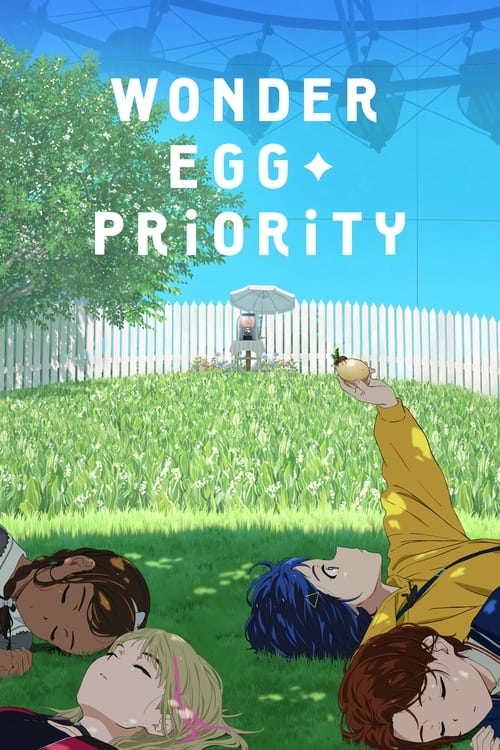
The story begins with Ai Ohto, a 14-year-old girl who is struggling with the recent suicide of her friend, Koito Nagase. Ai is deeply affected by Koito's death, feeling guilt and confusion over her inability to help her friend. One night, while wandering alone, Ai encounters a mysterious egg in a deserted park. She is drawn to it and, after some hesitation, decides to take it home.
The next day, Ai is visited by a strange girl named Neiru Aonuma, who reveals that the egg is a portal to another world. Neiru explains that by breaking the egg, Ai can enter a realm where she can save people who are suffering from their own traumas and issues. Ai is skeptical but ultimately decides to break the egg, leading her to a surreal landscape filled with bizarre creatures and manifestations of people's inner struggles.
Upon entering this new world, Ai meets a girl named Momoe Sawaki, who is trapped in a nightmare scenario. Momoe is being tormented by her own insecurities and the bullying she faced in school. Ai learns that she must confront the manifestations of Momoe's pain in order to help her. The confrontation is intense, as Ai battles shadowy figures that represent Momoe's tormentors. With determination, Ai manages to defeat these manifestations, allowing Momoe to find peace and move on.
After this experience, Ai returns to the real world, feeling a mix of relief and sadness. She reflects on her own feelings of guilt regarding Koito's death and begins to understand the importance of helping others. Ai continues to break more eggs, each time entering a new scenario where she meets different girls, each with their own struggles.
In one of her subsequent adventures, Ai encounters Rika Kawai, a girl who is dealing with the trauma of being sexually assaulted. Rika's inner demons take the form of grotesque creatures that embody her pain and anger. The battle is fierce, with Rika initially feeling powerless. However, Ai encourages her to confront her trauma head-on. Together, they fight against the manifestations, and Rika ultimately finds the strength to overcome her past, allowing her to heal.
As Ai continues her journey, she also meets other characters, including the enigmatic Neiru, who has her own hidden motives. Neiru reveals that she is searching for a way to bring back her deceased sister, which adds complexity to her character and her relationship with Ai. The two girls form a bond, but there is an underlying tension as their goals begin to diverge.
Throughout the series, Ai grapples with her own emotions and the weight of her past. She often reflects on her relationship with Koito, feeling a deep sense of loss and longing. The narrative explores Ai's internal struggles as she tries to reconcile her desire to help others with her own unresolved grief.
In a pivotal moment, Ai learns that the eggs are connected to the girls' traumas and that each time she saves someone, she risks losing a part of herself. This revelation weighs heavily on her, but she is determined to continue her mission. Ai's resolve is tested as she faces increasingly difficult challenges, including confrontations with her own fears and insecurities.
As the season progresses, Ai's encounters become more intense and emotionally charged. She faces a girl named Shuu, who is struggling with her identity and the pressure to conform to societal expectations. The battle against Shuu's inner demons is particularly harrowing, as Ai must confront her own biases and fears about acceptance and self-worth.
The climax of the season occurs when Ai discovers the truth about the eggs and the consequences of her actions. She learns that each time she saves a girl, she inadvertently creates a cycle of pain for others. This realization forces Ai to confront the moral implications of her journey and the impact it has on her own life.
In the final episodes, Ai faces her most significant challenge yet as she confronts the manifestation of her own guilt over Koito's death. This battle is not just physical but deeply emotional, as Ai must come to terms with her feelings of inadequacy and loss. The confrontation is intense, filled with moments of vulnerability and self-discovery.
Ultimately, Ai emerges from this battle transformed, having gained a deeper understanding of herself and her relationships. However, the season ends on a cliffhanger, leaving viewers questioning the fate of Ai and the other characters as they continue to navigate their complex emotions and the consequences of their actions. The final scenes hint at unresolved tensions and the ongoing struggle for healing and acceptance, setting the stage for future developments in the story.




What is the ending?
In the ending of "Wonder Egg Priority," Ai Ohto confronts the harsh realities of her friends' struggles and the consequences of her actions. After a series of intense battles in the dream world, she faces the truth about her own feelings of guilt and loss. The series concludes with Ai making a significant choice that impacts her understanding of life and death, leading to a poignant and emotional resolution.
As the final episodes unfold, the narrative begins with Ai Ohto, who has been deeply affected by the loss of her friend, Koito Nagase. The weight of her grief drives her to continue entering the dream world, where she rescues other girls trapped in their own traumas. Each encounter reveals the complexities of their struggles, and Ai's determination to save them grows stronger.
In the penultimate episode, Ai and her friends, including Neiru Aonuma and Rika Kawai, face a formidable foe, the "Eggs," which represent the darker aspects of their own psyches. The battles are visually striking, filled with surreal imagery that reflects the characters' inner turmoil. As they fight, Ai grapples with her feelings of inadequacy and the fear of losing those she cares about.
The climax occurs when Ai confronts the truth about Koito's death. She learns that her attempts to save others are intertwined with her unresolved feelings about her own loss. This revelation is emotionally charged, as Ai realizes that she cannot change the past but must learn to accept it. The dream world begins to crumble around her, symbolizing the fragility of her mental state.
In the final scenes, Ai makes a choice to let go of her guilt and embrace the memories of her friends. She acknowledges that while she cannot save everyone, she can honor their lives by living fully. The imagery shifts to a brighter, more hopeful tone as Ai steps out of the dream world, symbolizing her acceptance of reality.
Neiru, who has been battling her own demons, also reaches a turning point. She confronts her feelings of isolation and begins to understand the importance of connection. Rika, who has struggled with her identity and self-worth, finds a sense of purpose in supporting her friends. Each character's journey culminates in a moment of clarity, where they recognize the value of their experiences and the bonds they share.
As the series concludes, Ai, Neiru, and Rika emerge from their trials transformed. They carry the weight of their pasts but also the hope for the future. The final scenes depict Ai walking through a vibrant world, symbolizing her newfound strength and resilience. The series ends on a note of bittersweet acceptance, leaving viewers with a sense of both closure and the ongoing journey of healing.
Is there a post-credit scene?
In "Wonder Egg Priority," there is no post-credit scene at the end of the episodes. The series focuses on the emotional and psychological journeys of its characters, particularly Ai Ohto, as she navigates a surreal world to save others from their traumas. Each episode concludes with a poignant moment that ties back to the themes of hope, despair, and the struggles of adolescence, but there are no additional scenes or content after the credits. The narrative is tightly woven, and the emotional weight of the story is encapsulated within the episodes themselves, leaving viewers to reflect on the experiences of the characters without any further scenes to extend the story.
What is the significance of the Wonder Eggs in the story?
The Wonder Eggs are central to the narrative, serving as portals that allow the protagonist, Ai Ohto, to enter a dream-like world where she can confront the traumas and struggles of other characters. Each egg represents a different individual who has faced severe emotional pain or trauma, and by saving them, Ai hopes to help them find peace and resolution.
Who are the main characters that Ai Ohto interacts with in the dream world?
In the dream world, Ai primarily interacts with characters like Neiru Aonuma, a mysterious girl with her own motives for entering the dream realm, and Rika Kawai, a confident and brash girl who hides her vulnerabilities. Each character has their own backstory and emotional baggage, which Ai learns about as she helps them confront their issues.
What are the personal struggles faced by Rika Kawai?
Rika Kawai struggles with her self-worth and the trauma of bullying. She presents a tough exterior, often using humor and bravado to mask her pain. Throughout her arc, it is revealed that she grapples with feelings of inadequacy and the impact of her past experiences, particularly regarding her relationships with friends and her own identity.
How does Neiru Aonuma's character develop throughout the series?
Neiru Aonuma is initially portrayed as cold and detached, driven by a desire to save others while hiding her own emotional turmoil. As the series progresses, her backstory is unveiled, revealing her connection to the Wonder Eggs and her own tragic experiences. This development showcases her internal conflict between her mission and her personal grief, leading to a deeper understanding of her character.
What role does the character of Ai Ohto play in the lives of the people she helps?
Ai Ohto serves as a catalyst for change in the lives of the individuals she encounters through the Wonder Eggs. Her empathy and determination to understand their pain allow her to guide them towards confronting their fears and traumas. Through her interactions, Ai not only helps others find closure but also embarks on her own journey of self-discovery and healing.
Is this family friendly?
"Wonder Egg Priority" is not considered family-friendly due to its exploration of heavy and sensitive themes. The show delves into topics such as suicide, bullying, trauma, and mental health issues, which may be distressing for children or sensitive viewers.
Potentially objectionable or upsetting aspects include:
- Suicidal Ideation: The series frequently addresses characters who have experienced suicidal thoughts or actions, which can be triggering.
- Bullying: There are scenes depicting harsh bullying and its emotional impact on individuals, showcasing the cruelty that can occur in school environments.
- Trauma and Abuse: Characters confront their past traumas, including emotional and physical abuse, which can be quite intense and unsettling.
- Death and Loss: The narrative involves themes of loss and the aftermath of death, which may evoke strong emotional responses.
- Graphic Imagery: Some scenes contain visual representations of violence or distressing situations that may be inappropriate for younger audiences.
Overall, the series is best suited for mature viewers who can handle its complex and often dark subject matter.