












Popular
What is the significance of the shadows and their living dolls in Shadows House?
How does Emilico's relationship with Kate evolve throughout the series?
What are the main challenges faced by the characters during the 'tea party' events?
What role does the concept of 'facial expressions' play in the development of the characters?
How does the mystery of the mansion and its secrets impact the characters' journeys?
Should I watch it?
Ask Your Own Question

What is the plot?
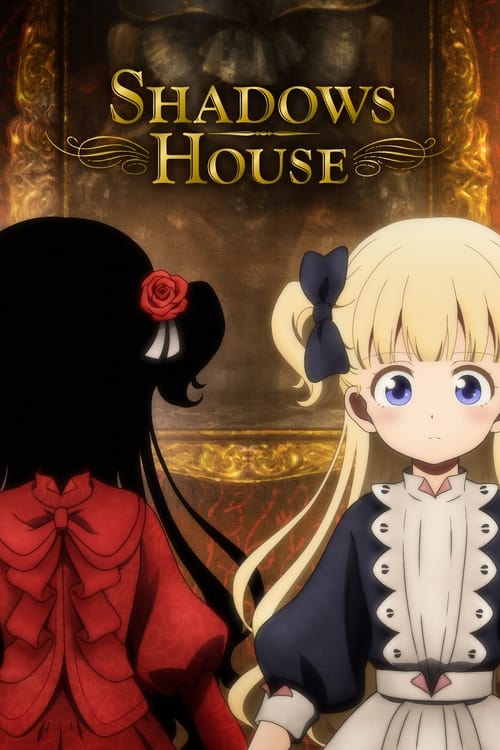
In the beginning of "Shadows House," we are introduced to the mysterious mansion inhabited by the Shadows, aristocratic beings who lack physical forms and instead have living dolls called "faces" that serve them. The story centers around a young girl named Emilico, who is a face for a Shadow named Kate. Emilico is cheerful and eager to please, while Kate is more reserved and serious. The two share a close bond, and Emilico is determined to understand her purpose in the mansion.
As the story unfolds, we learn that the Shadows have a unique ability to manipulate soot, which is a manifestation of their emotions. The soot can take on various forms and is used for different purposes, including creating shadows and even attacking. Emilico and Kate participate in a series of lessons and activities designed to help them understand their roles. During these lessons, they encounter other pairs of Shadows and their faces, each with their own dynamics and challenges.
One significant event occurs during a tea party where the Shadows showcase their abilities. Kate struggles to control her soot, which leads to a moment of embarrassment. Emilico, however, supports her and encourages her to embrace her emotions. This moment strengthens their bond and highlights the importance of teamwork between the Shadows and their faces.
As the story progresses, the characters face various challenges, including the mysterious disappearance of some faces. Emilico and Kate begin to investigate these incidents, leading them to uncover dark secrets about the mansion and the true nature of the Shadows. They discover that the faces are not just servants but are integral to the Shadows' existence, as they help them maintain their forms and emotions.
A pivotal moment occurs when Emilico and Kate confront a rival pair, Patrick and his face, who are more aggressive and competitive. This confrontation escalates into a physical altercation, where Emilico uses her quick thinking to protect Kate. The fight reveals the underlying tensions between the pairs and the pressure they face to perform well in the eyes of their Shadows.
As the investigation deepens, Emilico and Kate learn about the "Soot Blackening" phenomenon, where a Shadow's soot becomes uncontrollable, leading to dangerous consequences. They realize that this is linked to the disappearances of the faces. Determined to save their friends, they devise a plan to confront the source of the blackening.
In a climactic sequence, Emilico and Kate confront the main antagonist, a powerful Shadow who has been manipulating events from the shadows. The confrontation is intense, with the antagonist using their soot to create monstrous forms that attack Emilico and Kate. However, through their teamwork and the strength of their bond, they manage to overcome the antagonist's attacks.
In the aftermath of the battle, Emilico and Kate emerge victorious but are left with lingering questions about their existence and the true nature of the mansion. They realize that their journey is far from over, as they must continue to navigate the complexities of their world and the relationships they have formed.
The series concludes with Emilico and Kate standing together, ready to face whatever challenges lie ahead, solidifying their commitment to each other and their determination to uncover the truth about the Shadows and their own identities.
More TV Shows Like This
Browse All TV Shows →




What is the ending?
In the ending of Shadows House, the story culminates in a confrontation between the living dolls and the Shadows. The main characters, Emilico and Kate, face the truth about their existence and the nature of the Shadows. The conflict reaches a climax as they uncover the dark secrets of the mansion and the true purpose of the Shadows. Ultimately, the characters must confront their fears and make choices that will determine their fates.
As the final episodes unfold, the atmosphere in the mansion grows increasingly tense. Emilico and Kate, having developed a deep bond, are determined to uncover the truth behind the Shadows and their own identities. The tension escalates when they discover that the Shadows are not merely figures of authority but are also trapped in a cycle of manipulation and control.
In a pivotal scene, Emilico and Kate confront the elder Shadows, who reveal the harsh realities of their existence. The Shadows, including the enigmatic Lady Charlotte, are shown to be struggling with their own emotions and desires, which complicates the relationship between them and their living dolls. The emotional weight of this revelation weighs heavily on Emilico, who feels a mix of empathy and fear.
As the climax approaches, the living dolls band together, each facing their own challenges. The atmosphere is charged with a sense of urgency as they prepare to confront the Shadows. Emilico, driven by her desire to protect Kate and her friends, steps forward, embodying courage despite her fears. The confrontation is intense, filled with emotional stakes as the dolls demand to be treated as individuals rather than mere reflections of their Shadows.
In the final moments, the characters are faced with a choice: to continue the cycle of servitude or to break free and forge their own paths. Emilico and Kate, embodying the spirit of rebellion, choose to stand against the oppressive system. Their decision resonates with the other dolls, inspiring them to join in the fight for their autonomy.
The ending leaves the fate of the characters hanging in the balance. Emilico and Kate, having taken a stand, are seen as symbols of hope and change. The elder Shadows, confronted with the consequences of their actions, are left to reflect on their own existence. The mansion, once a place of control, becomes a battleground for freedom, leaving viewers with a sense of unresolved tension and the possibility of a new beginning.
In summary, the ending of Shadows House encapsulates the struggle for identity and autonomy, showcasing the emotional journeys of Emilico, Kate, and the other dolls as they confront their oppressors and seek to redefine their existence. Each character's fate is intertwined with the choices they make, highlighting the themes of freedom, self-discovery, and the complexities of their relationships.
Is there a post-credit scene?
In the anime "Shadows House," there is no post-credit scene. The series concludes its episodes without any additional content after the credits. The focus remains on the main narrative and character development throughout the episodes, leaving viewers with a sense of closure as the story progresses. The absence of a post-credit scene allows the emotional weight of the final moments to resonate without distraction.
What is the significance of the shadows and their living dolls in Shadows House?
In 'Shadows House', the shadows are mysterious beings that possess the ability to manipulate their emotions and physical forms, while their living dolls serve as their caretakers and representatives in the human world. The relationship between a shadow and its doll is central to the narrative, as it explores themes of identity, servitude, and the nature of emotions. The dolls, like Emilico, are tasked with learning to understand and express their shadows' emotions, which leads to significant character development and plot progression.
How does Emilico's relationship with Kate evolve throughout the series?
Emilico, a living doll, initially views her role as a caretaker for Kate, her shadow. As the series progresses, their relationship deepens, with Emilico becoming more aware of Kate's struggles with her identity and the expectations placed upon her. Emilico's unwavering support and curiosity about the world outside the mansion help Kate confront her own emotions and insecurities, leading to a bond that transcends their roles as shadow and doll.
What are the main challenges faced by the characters during the 'tea party' events?
The 'tea party' events in 'Shadows House' serve as critical moments where the shadows and their dolls must showcase their abilities and emotional control. The challenges faced include navigating the expectations of the elder shadows, dealing with the pressure to perform flawlessly, and confronting the darker aspects of their existence. These events often reveal the underlying tensions between the characters, as they grapple with their identities and the consequences of failure.
What role does the concept of 'facial expressions' play in the development of the characters?
In 'Shadows House', facial expressions are a crucial aspect of the dolls' training, as they must learn to mimic the emotions of their shadows. This concept highlights the disconnect between the shadows, who lack physical faces, and their dolls, who must express emotions on their behalf. The struggle to convey genuine feelings leads to moments of introspection for both Emilico and Kate, as they explore the authenticity of their emotions and the complexities of their relationship.
How does the mystery of the mansion and its secrets impact the characters' journeys?
The mansion in 'Shadows House' is filled with secrets and a sense of foreboding, impacting the characters' journeys significantly. As Emilico and Kate uncover hidden truths about the mansion's history and the nature of the shadows, they are forced to confront their own fears and the reality of their existence. The atmosphere of mystery creates tension and drives the plot forward, as the characters seek to understand their roles within the mansion and the implications of their discoveries.
Is this family friendly?
"Shadows House" is a dark fantasy anime that contains several elements that may not be suitable for children or sensitive viewers. Here are some potentially objectionable or upsetting aspects:
-
Themes of Identity and Control: The show explores deep themes of identity, servitude, and the relationship between the living dolls and their shadow masters, which can be complex and unsettling for younger audiences.
-
Mysterious and Ominous Atmosphere: The setting is filled with a sense of dread and mystery, featuring dark, gothic visuals that may be frightening for some viewers.
-
Emotional Distress: Characters experience fear, confusion, and emotional turmoil as they navigate their roles and the expectations placed upon them, which can be intense and distressing.
-
Violence and Threats: While not graphic, there are scenes that imply danger and violence, including the potential for harm to characters, which may be unsettling.
-
Supernatural Elements: The presence of shadows and the concept of living dolls can be eerie and may evoke fear in younger viewers.
-
Psychological Tension: The show often builds tension through psychological manipulation and the characters' struggles with their own emotions and relationships, which may be heavy for sensitive viewers.
Overall, while "Shadows House" has a captivating narrative and rich visuals, its darker themes and emotional depth may not be appropriate for all audiences, particularly children.