









Popular
What are the main character's motivations throughout the series?
What internal conflicts do the characters face, and how do they resolve them?
How does the setting influence the characters' experiences?
How do the characters' relationships evolve over the course of the series?
What significant events shape the characters' journeys in each episode?
Should I watch it?
Ask Your Own Question

What is the plot?
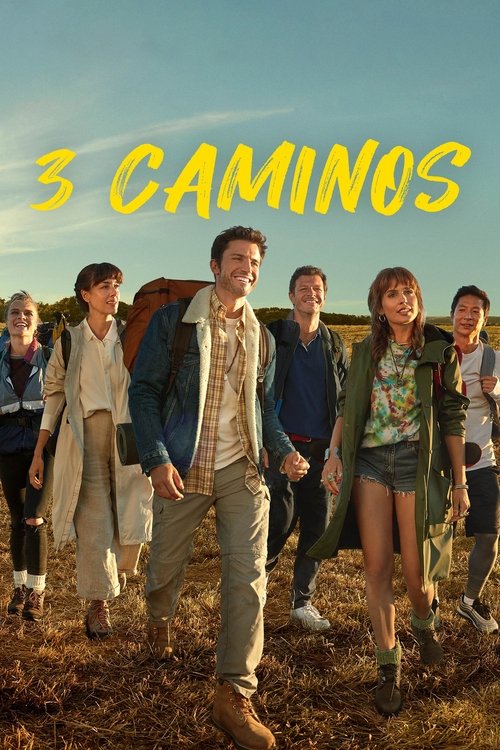
"3 Caminos" follows the intertwined lives of five friends over the course of several years as they navigate their personal journeys and the impact of their shared experiences on their relationships.
The story begins in 2000, with the group of friends--Nico, Eva, Daniel, and the couple, Jorge and Ana--embarking on a pilgrimage along the Camino de Santiago in Spain. They are filled with excitement and anticipation, each carrying their own emotional baggage. As they walk, they share stories and confront their pasts, revealing their dreams and fears. The camaraderie is palpable, but underlying tensions begin to surface, particularly between Nico and Eva, who have unresolved feelings for each other.
As they progress on the Camino, the group faces physical challenges, including blisters and fatigue, which test their resolve. One night, they camp under the stars, and a heartfelt conversation leads to a moment of vulnerability. Eva confesses her struggles with her identity and her relationship with Jorge, who is oblivious to her inner turmoil. This moment deepens the bond among the friends but also sows seeds of jealousy and confusion.
In a pivotal scene, the group encounters a local family who offers them food and shelter. This experience highlights the warmth of human connection and the beauty of the journey. However, it also serves as a backdrop for Nico and Eva's growing attraction, which becomes increasingly difficult to ignore. Tension escalates when Jorge senses the chemistry between them, leading to a confrontation where he accuses Nico of trying to steal Eva away.
The narrative shifts to 2005, where the friends reunite for a wedding. The atmosphere is celebratory, but the unresolved feelings from their pilgrimage linger. Nico and Eva share a moment that reignites their past connection, leading to a passionate kiss. This act of betrayal sends shockwaves through the group, particularly affecting Jorge, who feels betrayed by both his best friend and his girlfriend. The fallout from this moment creates a rift among the friends, forcing them to confront their feelings and the consequences of their actions.
In 2010, the story jumps forward again, showing the friends at different stages in their lives. Nico is struggling with his career and personal life, feeling lost and disconnected. Eva is in a tumultuous relationship with Jorge, who is still hurt by the past. Daniel, the peacemaker of the group, attempts to bring everyone together for a reunion, hoping to mend the broken bonds. However, the tension is palpable, and old wounds are reopened during their gathering.
During the reunion, emotions run high as secrets are revealed. Ana confronts Jorge about his inability to move on from the past, while Eva and Nico's unresolved feelings come to a head. The group engages in a heated argument, leading to a physical altercation between Jorge and Nico. This confrontation forces each character to confront their choices and the impact of their actions on their friendships.
The climax of the series occurs when the friends decide to return to the Camino de Santiago, seeking closure and a chance to heal. As they walk the path once more, they reflect on their journeys, both literal and metaphorical. Each character faces their demons, and through shared experiences, they begin to understand the importance of forgiveness and acceptance.
In the final scenes, the group reaches Santiago de Compostela, where they participate in a traditional ceremony. This moment symbolizes their growth and the healing of their relationships. They acknowledge their past mistakes but also celebrate their enduring friendship. The series concludes with a sense of hope and renewal, as the friends look forward to the future, ready to embrace new paths in their lives.







What is the ending?
In the ending of "3 Caminos," the characters reach a pivotal moment in their lives as they confront their pasts and the choices they have made. The series culminates in a reunion that brings unresolved tensions to the surface, leading to moments of reconciliation and reflection. Each character faces their personal struggles, ultimately finding a sense of closure or a new path forward.
As the final episode unfolds, we see the characters gather in Santiago de Compostela, a significant location that symbolizes their journey and the culmination of their experiences. The atmosphere is charged with emotion as they confront the weight of their shared history.
The first scene opens with the characters arriving at the cathedral, each one reflecting on their individual journeys. The camera captures the intricate details of the cathedral's architecture, emphasizing its grandeur and the spiritual significance it holds for the characters.
Next, we see Javier, who has been grappling with his past decisions, standing alone outside the cathedral. His expression is a mix of anxiety and hope as he contemplates the choices that have led him to this moment. He recalls the friendships he has forged and the mistakes he has made, feeling the weight of regret but also a desire for redemption.
Meanwhile, we shift to the interior of the cathedral, where the other characters--Cristina, Daniel, and the others--are gathered. They engage in heartfelt conversations, sharing their experiences and the lessons they have learned along the way. Cristina, in particular, expresses her struggles with identity and belonging, revealing her vulnerability as she seeks to understand her place in the world.
As the reunion progresses, tensions rise when unresolved conflicts surface. Daniel confronts Javier about a betrayal from their past, leading to a heated exchange that reveals deep-seated emotions. The camera captures the intensity of their confrontation, with close-ups on their faces that convey the pain and frustration they have both endured.
In a pivotal moment, Javier apologizes sincerely, acknowledging the hurt he has caused. This act of vulnerability opens the door for forgiveness, and the atmosphere shifts as the characters begin to reconcile. The scene is filled with emotional weight, as the characters embrace, tears flowing freely as they let go of past grievances.
The final scenes depict the characters walking together through the streets of Santiago, their bond strengthened by their shared experiences. They reflect on the journey they have taken, both physically and emotionally, and the camera pans out to show the beautiful landscape of the city, symbolizing new beginnings.
As the series concludes, we see each character embarking on their own path. Javier decides to pursue a new career, motivated by the desire to make amends and contribute positively to the world. Cristina finds a renewed sense of purpose, embracing her identity and the connections she has made. Daniel, having confronted his past, looks forward to a future filled with hope and possibility.
The ending of "3 Caminos" encapsulates the themes of friendship, forgiveness, and the importance of confronting one's past. Each character's fate reflects their growth and the lessons learned throughout their journey, leaving viewers with a sense of closure and optimism for the future.
Is there a post-credit scene?
In the TV show "3 Caminos," there is no post-credit scene. The series concludes its narrative without any additional scenes after the credits roll. The focus remains on the emotional journeys and the relationships of the main characters throughout the episodes, wrapping up their stories in a satisfying manner without extending into a post-credit sequence. The final moments emphasize the themes of friendship, growth, and the impact of shared experiences, leaving viewers with a sense of closure.
What are the main character's motivations throughout the series?
The main characters, each representing different paths in life, are driven by their personal quests for identity, connection, and purpose. For instance, the character of Daniel is motivated by a desire to find his place in the world, grappling with his past and the choices he has made. Meanwhile, Laura seeks to reconcile her ambitions with her relationships, often torn between her career and her personal life. Each character's journey reflects their internal struggles and aspirations, making their motivations deeply personal and relatable.
What internal conflicts do the characters face, and how do they resolve them?
The characters in '3 Caminos' grapple with various internal conflicts that drive their narratives. For instance, Daniel struggles with feelings of inadequacy and the burden of his past decisions, leading him to question his self-worth. Laura faces the conflict of balancing her career ambitions with her desire for meaningful relationships. These internal struggles are often resolved through moments of vulnerability, where characters confront their fears and seek support from one another. The resolution of these conflicts is portrayed with emotional depth, highlighting the importance of friendship and self-acceptance.
How does the setting influence the characters' experiences?
The setting of '3 Caminos' plays a crucial role in influencing the characters' experiences. The picturesque landscapes of Spain, particularly the Camino de Santiago, serve as a metaphor for the journey of life. The physical challenges of the pilgrimage mirror the emotional struggles the characters face, creating a profound connection between their internal and external journeys. The vibrant culture, historical sites, and the camaraderie of fellow travelers enrich their experiences, allowing for moments of introspection and growth.
How do the characters' relationships evolve over the course of the series?
The relationships among the characters are complex and evolve significantly throughout the series. Initially, friendships are tested by misunderstandings and life choices, particularly between Daniel and Laura, whose romantic tension complicates their friendship. As they navigate various challenges, including personal losses and triumphs, their bonds deepen, leading to moments of reconciliation and growth. The series highlights how shared experiences, such as travel and facing adversity together, can strengthen relationships, ultimately portraying a rich tapestry of human connection.
What significant events shape the characters' journeys in each episode?
Each episode of '3 Caminos' is marked by pivotal events that shape the characters' journeys. For example, a life-changing trip to Santiago de Compostela serves as a backdrop for self-discovery and reflection. In another episode, a tragic event forces the characters to confront their fears and regrets, leading to transformative moments. These events are not just plot devices; they serve as catalysts for character development, pushing each individual to confront their past and make choices that will define their futures.
Is this family friendly?
"3 Caminos" is a drama series that explores the lives of three friends over two decades as they navigate their personal and professional journeys. While the show has moments of warmth and friendship, it also contains themes and scenes that may not be suitable for younger audiences or sensitive viewers.
-
Mature Themes: The series delves into complex adult themes such as love, loss, betrayal, and the struggles of adulthood, which may be difficult for children to fully understand.
-
Substance Use: There are scenes that depict the use of alcohol and drugs, reflecting the characters' attempts to cope with their challenges.
-
Emotional Turmoil: Characters experience significant emotional distress, including heartbreak, grief, and existential crises, which may be upsetting for sensitive viewers.
-
Conflict and Tension: The show includes interpersonal conflicts that can lead to heated arguments and emotional confrontations, showcasing the darker sides of friendships.
-
Death and Loss: Themes of mortality and the impact of losing loved ones are present, which can be particularly heavy for younger audiences.
-
Romantic Relationships: There are depictions of romantic relationships that include intimacy and complex dynamics, which may not be appropriate for all viewers.
Overall, while "3 Caminos" offers rich storytelling and character development, its mature content and emotional depth may not be suitable for children or those who are sensitive to such themes.









