








Popular
What motivates the main character, Fielding Scott, throughout the series?
How does the relationship between Fielding Scott and his love interest, Lena, evolve throughout the series?
What role does the character of Klaus play in Fielding's journey?
How does the political backdrop of Cold War Berlin influence the characters' decisions?
What are the key turning points in the plot that significantly affect Fielding's mission?
Should I watch it?
Ask Your Own Question

What is the plot?
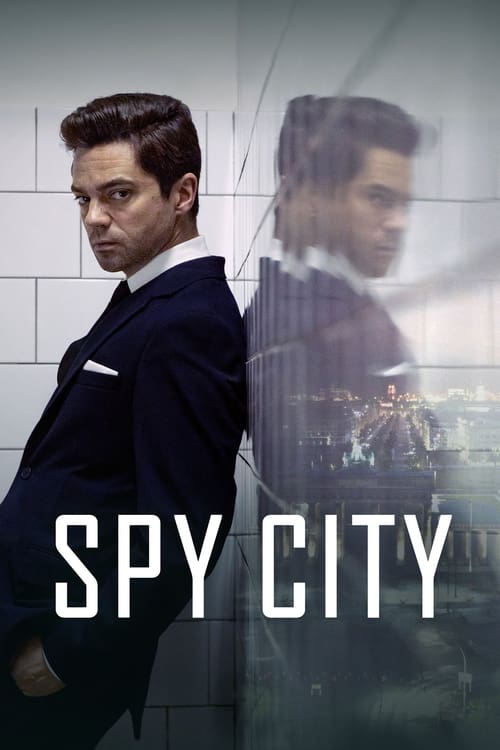
In the opening scenes of "Spy City," we are introduced to the protagonist, a British spy named Fielding Scott, who is sent to Berlin in 1961 during the height of the Cold War. He arrives in a city divided by the Berlin Wall, filled with tension and espionage. Fielding is tasked with uncovering a mole within the British intelligence community, which is believed to be leaking sensitive information to the East German Stasi.
Fielding quickly meets his contact, a local informant named Greta, who provides him with crucial information about the political landscape and the various factions operating in the city. As they navigate the dangerous streets of Berlin, Fielding's internal conflict becomes apparent; he is haunted by the loss of his previous partner, who was killed during a mission. This loss drives his determination to succeed but also clouds his judgment.
As Fielding delves deeper into the investigation, he encounters various characters, including a mysterious figure named Klaus, who seems to have his own agenda. Fielding's interactions with Klaus are tense, filled with suspicion and underlying threats. Klaus reveals that he knows about the mole and hints at a larger conspiracy involving both British and East German operatives.
Fielding's investigation leads him to a clandestine meeting with a group of spies from different nations. During this meeting, tensions rise as accusations fly, and Fielding realizes that trust is a rare commodity in this world. He begins to piece together the connections between the various players, but the atmosphere is fraught with danger, and he narrowly escapes an assassination attempt orchestrated by unknown assailants.
As the plot thickens, Fielding discovers that the mole is closer than he initially thought. He confronts a fellow agent, who he suspects of being the traitor. This confrontation escalates into a physical altercation, with Fielding using his training to subdue the agent. However, the agent reveals that he was acting under duress, manipulated by the Stasi, which complicates Fielding's understanding of loyalty and betrayal.
Fielding's relationship with Greta deepens as they work together to uncover the truth. They share moments of vulnerability, revealing their fears and motivations. Greta's own past as a former Stasi agent adds layers to her character, and Fielding struggles with whether he can trust her. Their bond is tested when they are ambushed by Stasi operatives, forcing them to flee together through the back alleys of Berlin.
In a pivotal scene, Fielding and Greta infiltrate a Stasi facility to gather evidence about the mole. The tension is palpable as they navigate the dark corridors, avoiding guards and security measures. They manage to obtain crucial documents that point to a larger conspiracy involving high-ranking officials. However, their escape is thwarted when they are discovered, leading to a tense chase through the facility.
Fielding and Greta narrowly escape, but not without consequences. They are forced to go into hiding, and Fielding grapples with the weight of his mission and the lives at stake. He becomes increasingly paranoid, suspecting that anyone could be working against him. This paranoia culminates in a confrontation with Klaus, who reveals that he has been manipulating events from the shadows, playing both sides to his advantage.
As the climax approaches, Fielding learns that the mole is not just an individual but part of a larger network of spies operating within the British intelligence. He realizes that the betrayal runs deeper than he imagined, implicating several key figures in his agency. This revelation forces him to make a difficult decision: to expose the mole and risk the safety of his colleagues or to protect them and allow the betrayal to continue.
In the final act, Fielding orchestrates a plan to expose the mole during a high-stakes meeting involving top intelligence officials. The tension is thick as he presents the evidence he has gathered, but the situation quickly spirals out of control. Klaus intervenes, revealing his true allegiance and attempting to eliminate Fielding. A chaotic confrontation ensues, with gunfire erupting in the meeting room.
Fielding fights back, using his skills to take down Klaus and his henchmen. The scene is intense, filled with close calls and narrow escapes. In the aftermath, Fielding manages to expose the mole, but not without significant personal cost. The fallout from the revelation shakes the foundations of the British intelligence community, leading to arrests and a reevaluation of trust among agents.
In the closing moments, Fielding reflects on the events that transpired, haunted by the choices he made and the lives affected by the betrayal. He stands on the edge of the Berlin Wall, contemplating the future and the ongoing struggle between East and West. The series ends with a sense of unresolved tension, leaving the audience to ponder the complexities of loyalty, betrayal, and the shadows of espionage.








What is the ending?
In the ending of "Spy City," the protagonist, Max McCall, confronts the web of betrayal and espionage that has ensnared him. After a series of intense confrontations and revelations, he ultimately uncovers the truth behind the conspiracy that has plagued him. The story concludes with Max making a significant sacrifice, leading to a bittersweet resolution for him and the other characters involved.
As the final episodes of "Spy City" unfold, the tension escalates in the shadowy streets of Berlin, where Max McCall finds himself at the center of a deadly game of espionage. The air is thick with paranoia, and the stakes have never been higher.
Scene 1: Max, weary and battle-hardened, stands in a dimly lit room, the walls lined with maps and photographs of key players in the conspiracy. His mind races as he pieces together the fragmented information he has gathered. The betrayal he has faced weighs heavily on him, and the emotional toll is evident in his furrowed brow and clenched fists. He knows he must confront the people who have manipulated him, but the fear of losing everything looms large.
Scene 2: In a tense meeting with his ally, the enigmatic and resourceful agent, he learns that the conspiracy runs deeper than he initially thought. The agent reveals that a high-ranking official is involved, someone Max once trusted. The revelation hits Max hard, and a mix of anger and despair flashes across his face. He realizes that the lines between friend and foe have blurred, and he must tread carefully.
Scene 3: The climax builds as Max prepares for a final confrontation. He dons a dark coat, the fabric heavy against his skin, symbolizing the burden of his choices. He steps into the cold Berlin night, the city alive with the sounds of distant sirens and the hum of life, yet he feels utterly alone. His heart races as he approaches the location where the final showdown is set to take place.
Scene 4: The confrontation occurs in an abandoned warehouse, a stark contrast to the bustling city outside. Shadows dance across the walls as Max faces off against the traitor, a former ally who has orchestrated much of the chaos. The dialogue is sharp and filled with tension, each word laced with betrayal. Max's voice trembles with a mix of rage and sorrow as he demands answers, his emotional state raw and exposed.
Scene 5: As the confrontation escalates, gunfire erupts, and chaos ensues. Max fights not just for his life but for the truth. The camera captures the intensity of the moment, sweat glistening on his brow, his breath coming in quick gasps. In a moment of desperation, he makes a choice that will change everything--he sacrifices his chance for personal safety to ensure that the truth is revealed.
Scene 6: In the aftermath, the dust settles, and the consequences of the confrontation become clear. Max stands amidst the wreckage, the weight of his decision heavy on his shoulders. He has exposed the conspiracy, but at a great personal cost. The emotional toll is evident in his eyes, a mixture of relief and sorrow as he realizes that he has lost friends and allies along the way.
Scene 7: The final moments show Max walking away from the scene, the city behind him a blend of shadows and light. He is a changed man, marked by the experiences he has endured. The camera lingers on his face, capturing the complexity of his emotions--determination, loss, and a flicker of hope for the future.
In the end, Max McCall emerges from the chaos, forever altered by the betrayals and sacrifices he has faced. The fate of the other characters is intertwined with his own; some have fallen, while others remain in the shadows, hinting at the ongoing nature of espionage and the personal costs it exacts. The story closes on a note of ambiguity, leaving viewers to ponder the true price of loyalty and the relentless pursuit of truth in a world rife with deception.
Is there a post-credit scene?
"Spy City," produced in 2020, does not feature a post-credit scene. The series concludes its narrative without any additional scenes after the credits roll. The final moments of the show wrap up the storylines of the main characters, focusing on the resolution of their conflicts and the implications of their actions throughout the series. The absence of a post-credit scene allows the audience to reflect on the intense espionage drama and the fates of the characters without any further distractions.
What motivates the main character, Fielding Scott, throughout the series?
Fielding Scott, portrayed by Dominic Cooper, is driven by a deep sense of duty and loyalty to his country, as well as a personal quest for redemption. His past experiences in the war haunt him, and he is determined to navigate the treacherous world of espionage in Berlin to protect his loved ones and uncover the truth behind the political machinations at play.
How does the relationship between Fielding Scott and his love interest, Lena, evolve throughout the series?
Fielding's relationship with Lena, played by Sofia Helin, is complex and fraught with tension. Initially, their connection is rooted in passion and desire, but as the stakes rise and the dangers of espionage encroach upon their lives, their relationship is tested. Fielding's commitment to his mission often puts him at odds with Lena's own struggles, leading to moments of both intimacy and conflict as they navigate their feelings amidst the chaos.
What role does the character of Klaus play in Fielding's journey?
Klaus, portrayed by Thomas Kretschmann, serves as both an ally and a manipulator in Fielding's journey. Initially appearing to be a mentor figure, Klaus's true motivations are shrouded in ambiguity. His influence pushes Fielding into morally gray areas, forcing him to confront his own values and the cost of loyalty, ultimately complicating Fielding's mission and personal ethics.
How does the political backdrop of Cold War Berlin influence the characters' decisions?
The political tension of Cold War Berlin is a constant presence that shapes the characters' actions and motivations. The fear of betrayal, the urgency of espionage, and the looming threat of violence create an atmosphere of paranoia. Characters are often forced to make split-second decisions that reflect their allegiances, fears, and desires, illustrating how the geopolitical landscape directly impacts their personal lives and relationships.
What are the key turning points in the plot that significantly affect Fielding's mission?
Several key turning points significantly affect Fielding's mission, including the discovery of a mole within his ranks, which leads to a crisis of trust among his allies. Another pivotal moment occurs when Fielding is forced to choose between saving Lena or completing a critical operation, highlighting the personal sacrifices he must make. Additionally, the revelation of Klaus's true intentions serves as a catalyst for Fielding's transformation, pushing him to reassess his loyalties and the nature of his mission.
Is this family friendly?
"Spy City," produced in 2020, is not considered family-friendly due to its mature themes and content. The show features several potentially objectionable or upsetting aspects, including:
-
Violence: The series contains scenes of intense violence, including gunfights, physical confrontations, and the aftermath of violent acts, which may be distressing for younger viewers.
-
Death and Injury: Characters experience significant harm, and there are depictions of death that can be emotionally impactful and unsettling.
-
Adult Themes: The narrative explores themes of betrayal, espionage, and moral ambiguity, which may be complex and difficult for children to understand.
-
Sexual Content: There are instances of sexual situations and suggestive content that may not be appropriate for younger audiences.
-
Language: The dialogue includes strong language and profanity, which could be considered inappropriate for children.
Overall, the show's tone and subject matter are geared towards an adult audience, making it unsuitable for children or sensitive viewers.