
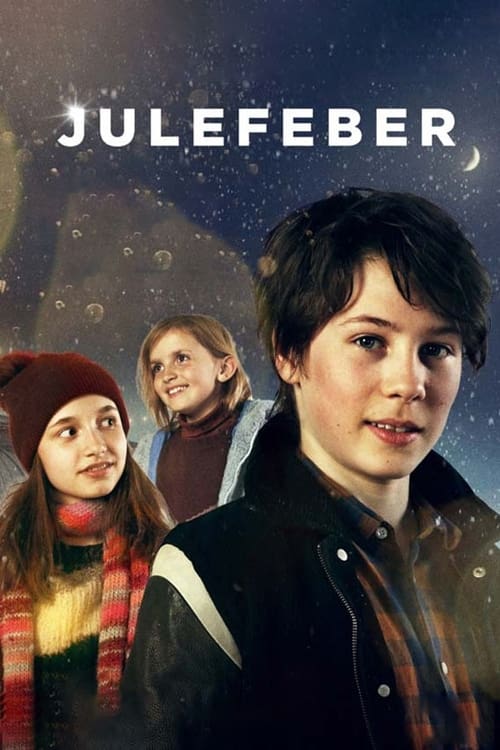




































Popular
How does the character of Clara evolve throughout the series?
What is the significance of the Christmas tree in Julefeber?
What role does the character of Felix play in Clara's journey?
What are the main conflicts that arise between Clara and her family?
How does the theme of friendship manifest in the relationships between the characters?
Should I watch it?
Ask Your Own Question

What is the plot?
In the small town of Hønefoss, Norway, the story begins with a group of teenagers preparing for the Christmas season. Among them is the protagonist, a young girl named Julie, who is excited about the upcoming holiday. She is particularly looking forward to the annual Christmas party, where she hopes to impress her crush, a boy named Aksel. The atmosphere is festive, with decorations being put up and the excitement of the season palpable among the youth.
As the story unfolds, Julie's life takes a turn when she discovers that her father, who has been absent for a long time, is returning home for Christmas. This news brings a mix of emotions for Julie, as she feels both joy and anxiety about reconnecting with him. Her father's return is complicated by the fact that he left the family when she was younger, and she has unresolved feelings about his abandonment.
On the day of the Christmas party, Julie is determined to make a good impression on Aksel. She spends time getting ready, choosing her outfit carefully, and rehearsing how she will approach him. The party is lively, filled with music, laughter, and dancing. Julie finally gathers the courage to talk to Aksel, but their interaction is awkward, and she feels disappointed when he seems distracted by other friends.
As the night progresses, Julie's father arrives at the party unexpectedly. His presence creates a stir, and Julie feels a mix of embarrassment and anger. She confronts him about his absence, leading to a heated argument in front of her friends. This confrontation reveals deep-seated feelings of betrayal and hurt that Julie has been harboring. Her father tries to explain his reasons for leaving, but Julie is not ready to forgive him.
The following day, Julie's emotions are still raw from the confrontation. She decides to take a walk to clear her head and ends up at a nearby lake. While there, she meets a mysterious boy named Magnus, who seems to understand her pain. They share a moment of connection, and Julie feels a spark of hope as they talk about their families and the pressures of the holiday season.
As Christmas approaches, Julie's relationship with her father remains strained. She struggles to balance her feelings for Aksel and her growing friendship with Magnus. Meanwhile, Aksel begins to show interest in Julie, which complicates her emotions further. She finds herself torn between the familiar comfort of her crush and the new, exciting connection with Magnus.
In a pivotal scene, Julie attends a family dinner where tensions rise again. Her father attempts to make amends, but the conversation quickly devolves into another argument. Julie storms out, feeling overwhelmed and frustrated. This moment of conflict forces her to confront her feelings about her father and what it means to forgive.
As the climax of the story approaches, Julie decides to take control of her narrative. She reaches out to both Aksel and Magnus, trying to figure out where her heart truly lies. In a series of heartfelt conversations, she learns more about herself and what she wants from her relationships. This self-discovery leads her to make a bold decision about who she wants to be with.
On Christmas Eve, Julie organizes a gathering with her friends, including Aksel and Magnus. The atmosphere is filled with warmth and laughter, but underlying tensions remain. During the gathering, Julie finally confronts her father again, expressing her feelings of hurt and betrayal. This time, the conversation is more constructive, and they begin to find common ground.
The story culminates in a dramatic moment when Julie must choose between Aksel and Magnus. In a heartfelt scene, she realizes that her connection with Magnus is deeper and more meaningful. She chooses to pursue a relationship with him, leading to a tender moment where they share their first kiss under the Christmas lights.
The series concludes with Julie feeling a sense of closure regarding her father and a newfound confidence in her relationships. The holiday season, once filled with pain and confusion, transforms into a time of healing and hope for her and her family. The final scenes depict Julie embracing her new path, surrounded by friends and family, as they celebrate the spirit of Christmas together.







What is the ending?
In the ending of "Julefeber," the main characters confront their personal struggles and relationships during a climactic Christmas celebration. The story culminates in a series of emotional revelations and reconciliations, leading to a bittersweet resolution for each character.
As the final scenes unfold, we see the characters gather for a festive Christmas dinner, where tensions rise and secrets are revealed. The atmosphere is filled with a mix of joy and sorrow, as the characters reflect on their past choices and the impact of their actions on one another. Ultimately, they find a sense of closure and hope for the future, despite the challenges they face.
The final act of "Julefeber" begins with a picturesque snowy landscape, the town adorned with twinkling lights and festive decorations. Inside a warmly lit home, the characters prepare for the Christmas dinner, each carrying their own emotional baggage. The camera pans across the table, laden with traditional dishes, as laughter and chatter fill the air, but an undercurrent of tension is palpable.
As the family gathers, we see Emma, the central character, struggling with her feelings of inadequacy and the weight of expectations placed upon her. She glances at her mother, who is busy arranging the table, and feels a mix of love and resentment. Emma's internal conflict is evident as she grapples with her desire for approval and her need to assert her independence.
The scene shifts to the dining room, where the family sits down to eat. The initial warmth of the gathering quickly turns to discomfort as old grievances surface. Emma's brother, Lucas, makes a sarcastic remark that ignites a heated argument between him and their father. The tension escalates, and Emma feels torn between her loyalty to her family and her desire to break free from their expectations.
In a pivotal moment, Emma stands up, her voice trembling but resolute. She expresses her frustrations, revealing her struggles with self-identity and the pressure to conform. The room falls silent, and her vulnerability resonates with the others. Lucas, taken aback, reflects on his own insecurities, and the siblings share a moment of understanding. Their father, witnessing this exchange, begins to reconsider his own rigid views.
As the dinner progresses, the characters engage in heartfelt conversations, sharing their dreams and fears. Emma's mother, who has been a source of both support and pressure, finally admits her own struggles with perfectionism. This moment of honesty creates a bridge between mother and daughter, allowing them to connect on a deeper level.
The climax of the evening arrives when the family gathers around the Christmas tree to exchange gifts. Each character presents a gift that symbolizes their growth and newfound understanding. Emma gives her mother a handmade ornament, representing their journey together. Lucas surprises his father with a heartfelt letter, expressing his desire for a more open relationship. The emotional weight of these gestures brings tears to their eyes, and the atmosphere shifts from tension to warmth.
As the night draws to a close, the characters embrace, feeling a renewed sense of hope and connection. Emma, now more confident in her identity, looks out the window at the falling snow, a symbol of new beginnings. The camera captures her smile, reflecting her acceptance of herself and her family.
In the final moments, we see each character stepping into the future with a sense of purpose. Emma decides to pursue her passion for art, Lucas contemplates a new career path, and their parents commit to fostering a more supportive environment. The screen fades to black, leaving the audience with a sense of closure and the promise of brighter days ahead.
Is there a post-credit scene?
In the TV show "Julefeber," produced in 2020, there is indeed a post-credit scene that adds an intriguing layer to the story.
As the credits roll, the screen fades to black before transitioning to a snowy landscape, reminiscent of the wintery setting that permeates the series. The camera pans slowly over a quiet, picturesque village, blanketed in fresh snow, with twinkling lights adorning the quaint houses. The atmosphere is serene, but there's an underlying tension that begins to build.
Suddenly, the scene shifts to a dimly lit room where a figure is seen sitting at a table, shrouded in shadows. The camera zooms in, revealing a pair of gloved hands meticulously wrapping a small, beautifully crafted gift. The wrapping paper is adorned with intricate designs that hint at a deeper significance tied to the series' themes of love and mystery.
As the figure finishes wrapping the gift, they pause, glancing out of a nearby window. The expression on their face is one of contemplation and perhaps a hint of regret. The viewer can sense a whirlwind of emotions--nostalgia, longing, and a desire for redemption. The figure then stands up, revealing a silhouette that is familiar to the audience, but their identity remains obscured.
The scene cuts to a close-up of the gift, which is now placed on a table alongside other presents. A soft, haunting melody begins to play, evoking a sense of anticipation. The camera lingers on the gift for a moment longer before fading to black, leaving viewers with a lingering sense of curiosity about the figure's intentions and how this moment might connect to the overarching narrative of "Julefeber."
This post-credit scene effectively teases potential future developments and deepens the emotional stakes for the characters, inviting the audience to ponder the implications of the gift and the identity of the mysterious figure.
How does the character of Clara evolve throughout the series?
Clara begins as a somewhat naive and idealistic young girl, deeply invested in the magic of Christmas. However, as the series progresses, she faces various challenges that test her beliefs and resilience. Her journey is marked by moments of doubt and introspection, particularly when she confronts the realities of her family's struggles. By the end of the series, Clara emerges as a more mature and grounded individual, having learned the importance of family, friendship, and the true spirit of Christmas.
What is the significance of the Christmas tree in Julefeber?
In Julefeber, the Christmas tree serves as a central symbol of hope and connection among the characters. It is not just a festive decoration but a representation of the characters' intertwined fates and the magic of the holiday season. As the story unfolds, the tree becomes a gathering point for the characters, where they share their dreams and fears, ultimately leading to moments of revelation and emotional growth.
What role does the character of Felix play in Clara's journey?
Felix is introduced as a charming yet mysterious figure who initially captivates Clara with his adventurous spirit. As the story unfolds, he becomes a catalyst for Clara's growth, encouraging her to step outside her comfort zone and embrace the magic of the season. However, Felix also harbors his own secrets and struggles, which adds complexity to their relationship. His presence challenges Clara to confront her own fears and ultimately helps her discover her inner strength.
What are the main conflicts that arise between Clara and her family?
Clara's family dynamics are fraught with tension, primarily stemming from her parents' differing views on Christmas traditions and their financial struggles. Clara feels a deep sense of responsibility to uphold the family's holiday spirit, but her parents' stress often leads to arguments and misunderstandings. This conflict is exacerbated by Clara's desire to create a magical Christmas, which clashes with her parents' more pragmatic approach. Throughout the series, these conflicts force Clara to navigate her loyalty to her family while also pursuing her own dreams.
How does the theme of friendship manifest in the relationships between the characters?
Friendship is a pivotal theme in Julefeber, particularly in the bonds formed between Clara and her friends. Their relationships are tested through various trials, including misunderstandings and personal challenges. The series highlights moments of support and solidarity, showcasing how the characters uplift each other during difficult times. As they work together to overcome obstacles, their friendships deepen, illustrating the importance of camaraderie and trust in facing life's challenges.
Is this family friendly?
"Julefeber," produced in 2020, is a family-friendly series that captures the spirit of Christmas through a blend of adventure and fantasy. However, there are a few elements that might be considered potentially objectionable or upsetting for children or sensitive viewers:
-
Emotional Tension: The show features scenes where characters experience feelings of sadness, loss, or disappointment, particularly related to family dynamics and the pressures of the holiday season.
-
Conflict and Rivalry: There are moments of conflict between characters, including jealousy and misunderstandings, which may evoke feelings of anxiety or discomfort.
-
Mild Scares: Some scenes may include mild suspense or fantastical elements that could be startling for younger viewers, such as encounters with magical creatures or unexpected twists.
-
Themes of Loneliness: The narrative explores themes of loneliness and the longing for connection, which may resonate deeply and evoke emotional responses.
-
Family Struggles: The show touches on family issues, including arguments or disagreements, which might be relatable but could also be upsetting for some viewers.
Overall, while "Julefeber" is designed to be enjoyable for families, these elements may require parental guidance for younger audiences.









