










Popular
Who is the main investigator in The Chestnut Man?
What is the significance of the chestnut figures found at the crime scenes?
How does the character of Mark Hess contribute to the investigation?
What role does the character of Rosa play in the story?
How does the backstory of the killer unfold throughout the series?
Should I watch it?
Ask Your Own Question

What is the plot?
The series begins with the discovery of a gruesome murder in a small Danish town. A young woman, who is later identified as a mother, is found dead in a park, her body arranged in a disturbing manner. The scene is chilling, with the presence of a chestnut man figure made from chestnuts and twigs placed beside her, hinting at a sinister connection. The local police, led by Detective Naia Thulin, are called to investigate the crime.
As the investigation unfolds, Thulin is partnered with Mark Hess, a detective from the Copenhagen police. Their dynamic is tense; Thulin is focused and methodical, while Hess is more impulsive and haunted by his past. They begin to piece together the victim's life, uncovering her connections to a missing child case that has haunted the community for years. The emotional weight of the case is palpable, as both detectives grapple with their own personal demons while trying to solve the murder.
The narrative shifts to a flashback of a young girl, who is revealed to be the missing child, and her mother. This scene establishes the emotional stakes of the investigation, as the audience learns about the girl's disappearance and the impact it has had on her family. The chestnut man figure becomes a symbol of the unresolved trauma surrounding the case.
As Thulin and Hess delve deeper, they discover that the chestnut man is linked to a series of other murders, all involving women who have connections to the missing child. The detectives interview various suspects, including the girl's father, who is emotionally distraught and defensive. Tensions rise as they uncover a web of secrets and lies within the community, leading them to question the motives of those closest to the victims.
The investigation takes a dark turn when another body is discovered, this time a woman who had been involved in the missing child case. The chestnut man figure is again present, intensifying the urgency of the investigation. Thulin and Hess realize they are dealing with a serial killer who is taunting them, and they must race against time to prevent further murders.
As they dig deeper, Thulin uncovers a connection between the victims and a local man, who has a history of violence and a disturbing obsession with the chestnut man figure. They confront him, but he denies any involvement, leading to a tense standoff. The detectives are left frustrated, as they struggle to find concrete evidence to link him to the crimes.
In a pivotal moment, Thulin receives a cryptic message that leads her to a hidden location where she finds evidence that suggests the killer is someone within the police force. This revelation shakes her to the core, as she grapples with the betrayal of trust. Hess, meanwhile, is dealing with his own issues, including a past trauma that resurfaces, affecting his judgment and focus.
The climax of the series occurs when Thulin and Hess set a trap for the killer, using themselves as bait. They stage a scenario that draws the killer out, leading to a tense confrontation in an abandoned building. The atmosphere is thick with suspense as they navigate the dark corridors, their flashlights cutting through the shadows. The killer reveals himself, and a violent struggle ensues.
During the confrontation, Hess is injured, and Thulin must confront the killer alone. The fight is brutal, with Thulin using her training to outmaneuver the assailant. In a moment of desperation, she manages to subdue him, but not before he reveals a shocking twist about his motivations and connections to the victims. This revelation adds layers to the narrative, as it ties back to the emotional core of the story.
In the aftermath, Thulin and Hess reflect on the case and the toll it has taken on them. The emotional weight of their experiences lingers, as they come to terms with the loss and trauma that has unfolded. The series concludes with a sense of unresolved tension, hinting at the lasting impact of the events on their lives and the community. The chestnut man figure remains a haunting symbol of the darkness that can lurk beneath the surface of seemingly ordinary lives.





What is the ending?
In the ending of "The Chestnut Man," the investigation reaches a climax as the true identity of the killer is revealed. The main characters, Thulin and Hess, confront the murderer, leading to a tense showdown. The story concludes with a sense of unresolved trauma for the characters, particularly for Thulin, who grapples with the emotional fallout of the case.
As the final episodes unfold, we see Thulin and Hess piecing together the clues that have haunted them throughout the investigation. The tension escalates when they discover that the chestnut men left at the crime scenes are not just a signature but a taunt from the killer, who has a personal connection to the victims.
In a pivotal scene, Thulin receives a call that leads her to a secluded location where she believes she will find the next victim. The atmosphere is thick with dread as she and Hess race against time, their breaths visible in the cold air, hearts pounding with urgency. They arrive just in time to confront the killer, who is revealed to be a figure from Thulin's past, someone she never expected to be involved in such heinous acts.
The confrontation is fraught with emotion; Thulin's anger and disbelief clash with the killer's twisted rationale. Hess, caught in the crossfire, tries to mediate but is ultimately forced to take action to protect Thulin. The scene is intense, filled with the sounds of struggle and the emotional weight of betrayal.
As the dust settles, Thulin is left grappling with the implications of the case. The killer is apprehended, but the emotional scars remain. Hess, who has been a steadfast partner throughout the investigation, finds himself reflecting on the toll the case has taken on both of them.
In the final moments, Thulin stands alone, looking out over the city, her expression a mix of resolve and sorrow. The camera lingers on her face, capturing the complexity of her emotions as she contemplates the darkness they have uncovered and the personal cost of their pursuit of justice.
The fate of the main characters is left with a sense of ambiguity. Thulin is forever changed by the events, carrying the weight of her experiences, while Hess, though physically unharmed, is also marked by the emotional journey they have shared. The series closes on a haunting note, emphasizing the lingering impact of trauma and the shadows that remain even after the case is solved.
Who dies?
In the 2021 series "The Chestnut Man," several characters meet tragic fates throughout the narrative, each death intricately tied to the overarching themes of loss, revenge, and the impact of trauma. Here are the key characters who die, along with the circumstances surrounding their deaths:
-
Nina Damsgaard: Nina, a dedicated police officer, is one of the first significant casualties in the series. Her death occurs early on, setting the tone for the investigation that follows. She is found murdered in a gruesome manner, with her body displayed in a way that echoes the chestnut men left by the killer. The circumstances of her death reveal the killer's methodical and sadistic nature, as well as the personal stakes involved in the case. Nina's death deeply affects her partner, Thulin, who is driven by a desire for justice and closure.
-
The Chestnut Man's Victims: Throughout the series, several other victims are discovered, each linked to the mysterious chestnut figures left at the crime scenes. These victims are often found in secluded areas, their bodies arranged to create a chilling tableau that reflects the killer's psychological state. The deaths are brutal and serve to illustrate the killer's twisted motivations, which are rooted in personal trauma and a desire for revenge against those he perceives as responsible for his suffering.
-
Rosa: Rosa, a character who becomes entangled in the investigation, meets a tragic end as well. Her death occurs in a tense confrontation with the killer, where she is ultimately overpowered. This moment is particularly harrowing, as it highlights the danger that the investigators face and the lengths to which the killer will go to protect his secrets. Rosa's death serves as a catalyst for the main characters, pushing them further into the depths of the investigation and forcing them to confront their own vulnerabilities.
-
The Killer: In a climactic confrontation, the identity of the killer is revealed, leading to a tense showdown. The killer's death is a culmination of the series' tension, as the protagonists finally confront the source of their trauma. The circumstances of this death are fraught with emotional weight, as it represents not only the end of the immediate threat but also the unresolved pain that the characters carry. The killer's demise is both a moment of relief and a reminder of the scars left by the events that unfolded.
Each death in "The Chestnut Man" is not just a plot point but a reflection of the characters' internal struggles and the broader themes of grief, vengeance, and the quest for justice. The emotional impact of these deaths resonates throughout the series, shaping the motivations and actions of the surviving characters as they navigate the aftermath of the violence that has engulfed their lives.
Is there a post-credit scene?
The Chestnut Man does not feature a post-credit scene. The series concludes its narrative without any additional scenes after the credits roll, wrapping up the storylines and character arcs presented throughout the episodes. The focus remains on the resolution of the central mystery and the emotional journeys of the characters involved, leaving no further content to explore in a post-credit format.
Who is the main investigator in The Chestnut Man?
The main investigator in The Chestnut Man is Naia Thulin, a dedicated and determined detective who is deeply affected by the cases she works on. She is portrayed as a strong character, grappling with her own personal demons while trying to solve the chilling murders connected to the Chestnut Man.
What is the significance of the chestnut figures found at the crime scenes?
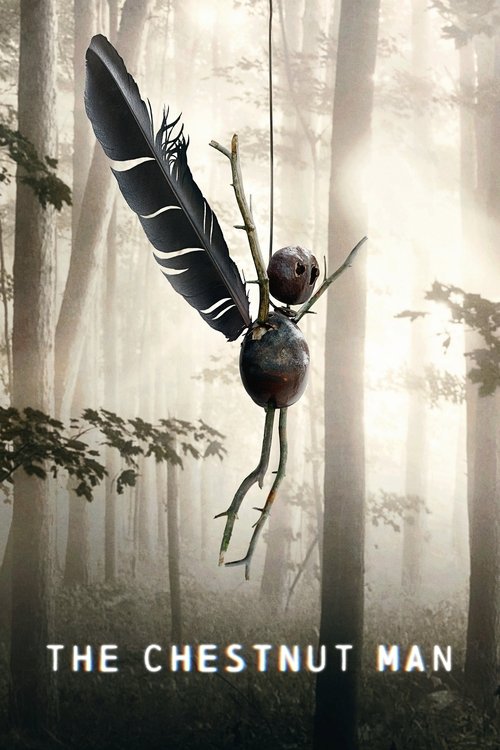
The chestnut figures found at the crime scenes serve as a haunting signature of the killer, symbolizing the twisted nature of the murders. Each figure is crafted from chestnuts and sticks, representing a chilling connection to the victims and the psychological games played by the murderer.
How does the character of Mark Hess contribute to the investigation?
Mark Hess is a former detective who becomes involved in the investigation alongside Naia Thulin. His character adds depth to the narrative as he struggles with his own past and the consequences of his previous actions, which ultimately influence his approach to the case and his partnership with Naia.
What role does the character of Rosa play in the story?
Rosa is a pivotal character who provides crucial insights into the investigation. As a victim's family member, her emotional turmoil and desperation for answers drive the narrative forward, highlighting the personal stakes involved in the case and the impact of the murders on the community.
How does the backstory of the killer unfold throughout the series?
The backstory of the killer is revealed gradually through flashbacks and investigative discoveries. It uncovers a traumatic past that shapes the killer's motivations and methods, creating a complex portrait of a disturbed individual whose actions are rooted in deep-seated psychological issues.
Is this family friendly?
"The Chestnut Man" is not considered family-friendly due to its dark themes and graphic content. Here are some potentially objectionable or upsetting aspects that may affect children or sensitive viewers:
-
Violence and Murder: The series features graphic depictions of violent crimes, including murder scenes that are intense and disturbing.
-
Gore: There are moments of gore, with detailed portrayals of injuries and the aftermath of violent acts, which can be unsettling.
-
Psychological Tension: The show delves into psychological horror, exploring themes of fear, trauma, and the impact of crime on individuals and families.
-
Child Endangerment: There are elements involving children in perilous situations, which can be particularly distressing for viewers.
-
Dark Themes: The narrative explores themes of loss, grief, and the impact of a serial killer on the community, which may be heavy for younger audiences.
-
Emotional Distress: Characters experience significant emotional turmoil, including grief and despair, which may resonate deeply with sensitive viewers.
Overall, the series is intended for mature audiences and contains content that may not be suitable for children or those who are sensitive to such themes.