





Popular
What is the significance of the murder investigation in Dark Winds?
How does Joe Leaphorn's character evolve throughout the series?
What role does Jim Chee play in the investigation and how does it affect his relationship with Leaphorn?
What are the implications of the cultural elements depicted in Dark Winds?
How does the series portray the theme of justice within the Navajo community?
Should I watch it?
Ask Your Own Question

What is the plot?
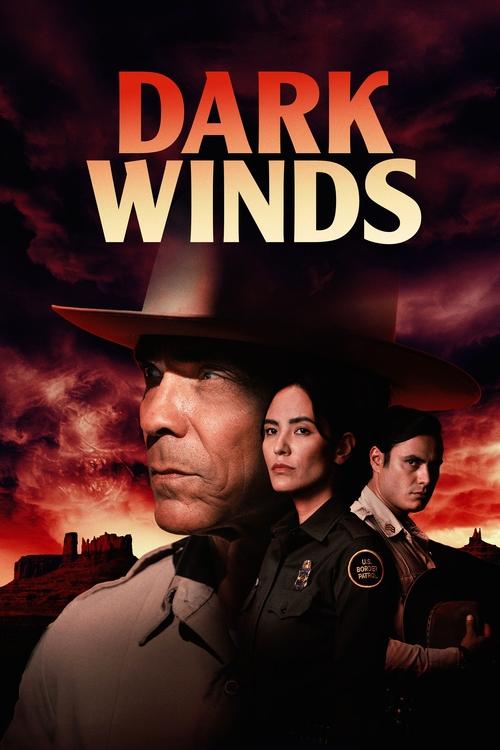
In 1971, in the Navajo Nation, two police officers, Joe Leaphorn and Jim Chee, are introduced. Leaphorn is a seasoned detective, while Chee is a younger officer who is still finding his place in the world. They are called to investigate a murder that has occurred near a sacred site. The victim is a local man, and the crime scene is unsettling, with signs of a struggle and a mysterious symbol carved into the ground.
As they delve deeper into the investigation, Leaphorn and Chee discover that the murder is connected to a series of strange occurrences in the area, including the theft of a valuable artifact from a nearby museum. The artifact is believed to hold significant cultural importance, and its theft raises tensions within the community. Leaphorn is particularly affected by the case, as he feels a strong connection to his heritage and the implications of the crime on his people.
Leaphorn's personal life is also explored, revealing his struggles with the recent death of his wife, which weighs heavily on him. He grapples with feelings of guilt and loss, which affect his judgment and interactions with others. Chee, on the other hand, is dealing with his own issues, including his desire to become a traditional healer and the expectations placed upon him by his family and community.
As the investigation progresses, Leaphorn and Chee encounter various suspects, including a group of men who are involved in illegal activities. Tensions rise as they confront these individuals, leading to a series of confrontations that test their resolve and commitment to justice. During one such encounter, they are ambushed, and a violent struggle ensues, showcasing the dangers they face in their pursuit of the truth.
The plot thickens when they uncover a connection between the murder and a larger conspiracy involving drug trafficking and corruption within the local law enforcement. Leaphorn's determination to solve the case intensifies, as he realizes that the stakes are higher than he initially thought. He becomes increasingly obsessed with finding the truth, often putting himself in harm's way.
Chee, meanwhile, begins to question his own role in the investigation and the moral implications of their actions. He struggles with the idea of justice versus revenge, especially as they encounter individuals who have been wronged by the system. This internal conflict leads to a pivotal moment where Chee must decide whether to follow the law or take matters into his own hands.
As the investigation reaches its climax, Leaphorn and Chee piece together the evidence, leading them to a shocking revelation about the true identity of the murderer. The final confrontation takes place in a tense standoff, where they must confront not only the killer but also the larger forces at play that threaten their community. The emotional weight of their choices culminates in a dramatic showdown that tests their loyalty to each other and their commitment to justice.
In the aftermath, the resolution of the case brings both closure and new challenges for Leaphorn and Chee. They reflect on the impact of their actions and the ongoing struggles within their community. The series ends with a sense of uncertainty, leaving the door open for future developments in their lives and the challenges they will continue to face.
More TV Shows Like This
Browse All TV Shows →





What is the ending?
In the ending of "Dark Winds," Joe Leaphorn confronts the truth behind the murders and the conspiracy surrounding them. He faces personal demons and the weight of his past decisions. Meanwhile, Jim Chee grapples with his own sense of duty and the complexities of his relationship with Leaphorn. The series concludes with a sense of unresolved tension, as the characters are left to navigate their futures amidst the shadows of their pasts.
As the final episodes unfold, the tension escalates. The story begins with Joe Leaphorn, who is deeply affected by the recent events surrounding the murders. He is haunted by the loss of his wife and the unresolved feelings that linger. The weight of his responsibilities as a police officer weighs heavily on him, and he is determined to find justice for the victims.
In a pivotal scene, Leaphorn visits the crime scene once more, the desert landscape stretching out before him, a stark contrast to the turmoil within. The sun casts long shadows, mirroring the darkness that has enveloped his life. He examines the evidence, piecing together the clues that have eluded him. His internal struggle is palpable; he is driven by a need for closure, not just for the victims but for himself.
Simultaneously, Jim Chee is navigating his own path. He is torn between his loyalty to Leaphorn and his desire to forge his own identity. In a moment of reflection, Chee stands by a river, the water flowing steadily, symbolizing the passage of time and the choices he must make. He contemplates his relationship with Leaphorn, recognizing the mentor-student dynamic that has shaped him. Chee's determination to prove himself is evident as he decides to take a more active role in the investigation.
As the climax approaches, Leaphorn and Chee's paths converge. They confront the antagonist, a figure shrouded in mystery and malice. The confrontation is intense, set against the backdrop of the vast, unforgiving landscape. The air is thick with tension as they face the reality of their situation. Leaphorn's resolve is tested, and he must confront not only the external threat but also the internal demons that have plagued him since his wife's death.
In the final moments, the truth is revealed, and the characters are forced to reckon with the consequences of their actions. Leaphorn finds a semblance of peace, understanding that while he cannot change the past, he can choose how to move forward. Chee, having proven his worth, stands alongside Leaphorn, ready to face whatever comes next.
The series concludes with a poignant scene, as the two men look out over the desert, the sun setting on the horizon. It symbolizes both an ending and a new beginning. The unresolved threads of their lives linger, suggesting that while they have faced significant challenges, the journey is far from over. Each character is left to navigate their own path, shaped by the experiences they have endured, and the shadows of their pasts continue to loom large.
Who dies?
Is there a post-credit scene?
In the TV show "Dark Winds," produced in 2022, there is no post-credit scene. The series concludes its episodes without additional scenes after the credits, focusing instead on the narrative and character development throughout the main storyline. The emphasis remains on the unfolding mystery and the emotional journeys of the characters, particularly Joe Leaphorn and Jim Chee, as they navigate the complexities of their investigations and personal lives.
What is the significance of the murder investigation in Dark Winds?
The murder investigation serves as the central plot device that drives the narrative forward. It begins with the discovery of a dead body on a Navajo reservation, which leads to the involvement of two Navajo police officers, Joe Leaphorn and Jim Chee. The investigation reveals deep-seated tensions within the community and uncovers connections to a larger conspiracy involving drug trafficking and cultural heritage.
How does Joe Leaphorn's character evolve throughout the series?
Joe Leaphorn starts as a dedicated and methodical police officer, grappling with personal loss and the weight of his responsibilities. As the investigation unfolds, he confronts his own beliefs and the complexities of his cultural identity. His internal struggle is highlighted by flashbacks to his late wife, which influence his decisions and relationships, particularly with Jim Chee.
What role does Jim Chee play in the investigation and how does it affect his relationship with Leaphorn?
Jim Chee is a younger officer who brings a more intuitive and spiritual approach to the investigation, contrasting with Leaphorn's analytical style. His involvement in the case not only helps to uncover crucial evidence but also tests his loyalty to Leaphorn. Their relationship evolves from one of mentorship to a partnership, as they learn to respect each other's methods and perspectives.
What are the implications of the cultural elements depicted in Dark Winds?
Cultural elements are woven throughout the narrative, showcasing the traditions, beliefs, and struggles of the Navajo people. The series highlights the importance of cultural identity and the impact of historical trauma on the community. This is particularly evident in the characters' interactions with their environment and the spiritual significance of the land, which plays a crucial role in their investigation.
How does the series portray the theme of justice within the Navajo community?
The series explores the theme of justice through the lens of the Navajo community's values and legal system. As Leaphorn and Chee navigate the complexities of the murder case, they encounter challenges that reflect the tension between traditional beliefs and modern law enforcement. The pursuit of justice is depicted as a deeply personal journey for the characters, influenced by their cultural heritage and the desire to protect their community.
Is this family friendly?
"Dark Winds," produced in 2022, is a psychological thriller that delves into themes of crime, spirituality, and cultural identity. While it offers a rich narrative and character development, it contains several elements that may not be suitable for children or sensitive viewers.
-
Violence: The show features scenes of crime and violence, including murder investigations and confrontations that can be intense and graphic.
-
Death and Trauma: Characters deal with the aftermath of violent events, which may include emotional distress and trauma, potentially upsetting for younger audiences.
-
Cultural Tensions: The series explores complex themes related to Native American identity and historical injustices, which may be challenging for some viewers to process.
-
Strong Language: There are instances of strong language that may not be appropriate for younger viewers.
-
Dark Themes: The overall tone of the show is dark, dealing with themes of betrayal, loss, and moral ambiguity, which may be unsettling for sensitive individuals.
These elements contribute to the show's mature rating, making it more suitable for adult audiences.