

































Popular
What is the relationship between Lee Dong-seok and Min Sun-ah?
How does the character of Jung Eun-hee cope with her family's struggles?
What challenges does the character of Choi Han-soo face in his life?
How does the character of Kim Hye-ja influence the lives of others in the series?
What is the significance of the Jeju Island setting in the characters' lives?
Should I watch it?
Ask Your Own Question

What is the plot?
"Our Blues" unfolds in a series of interconnected stories set in Jeju Island, focusing on the lives of various characters, each facing their own struggles and relationships.
The series begins with Lee Dong-seok, a fish seller, who is introduced as a man with a tough exterior but a kind heart. He is seen interacting with his customers and dealing with the daily grind of his work. His life takes a turn when he encounters his first love, Min Sun-ah, who returns to Jeju after years away. Their reunion is filled with nostalgia and unresolved feelings, as they reminisce about their past while grappling with the changes in their lives.
As Dong-seok navigates his feelings for Sun-ah, we are introduced to other characters, including the elderly couple, Kim Hae-ja and her husband, who run a small grocery store. Hae-ja is portrayed as a loving yet strong-willed woman, while her husband is more passive. Their dynamic showcases the challenges of aging and the importance of companionship. Hae-ja's health begins to decline, leading to emotional turmoil for both characters as they confront the reality of their situation.
In parallel, we meet the character of Jung Eun-hee, a single mother who struggles to provide for her children. Her story highlights the difficulties faced by women in her position, as she juggles work and family responsibilities. Eun-hee's determination to create a better life for her children is evident, but she faces setbacks, including financial struggles and societal judgment.
The narrative shifts to the character of Choi Han-soo, a former professional baseball player who returns to Jeju after a scandal. His arrival stirs up old memories and unresolved issues with his family, particularly with his father, who disapproves of his choices. Han-soo's journey is one of redemption as he seeks to reconnect with his roots and find a sense of belonging.
As the stories intertwine, the characters face various challenges that test their relationships and personal growth. Dong-seok and Sun-ah's relationship deepens, but they also confront the realities of their past decisions. Sun-ah's struggles with her own identity and the expectations placed upon her create tension between them.
Eun-hee's story takes a dramatic turn when her children face bullying at school, prompting her to take action. She confronts the school administration, advocating for her children's rights and highlighting the importance of standing up against injustice. This moment of empowerment resonates with her character's journey and showcases her resilience.
The elderly couple, Hae-ja and her husband, face a critical moment when Hae-ja's health deteriorates further. They must confront the possibility of separation due to her illness, leading to heart-wrenching conversations about love, loss, and the passage of time. Their bond is tested, but ultimately, they find strength in each other.
As the series progresses, the characters' lives become increasingly intertwined. Han-soo's attempts to reconcile with his father lead to confrontations that reveal deep-seated family issues. The emotional weight of their past decisions comes to a head, forcing them to confront their feelings and seek forgiveness.
In a pivotal moment, Dong-seok and Sun-ah must decide whether to pursue a future together or part ways once again. Their conversations are filled with raw emotion as they weigh their options, ultimately leading to a decision that reflects their growth and understanding of each other.
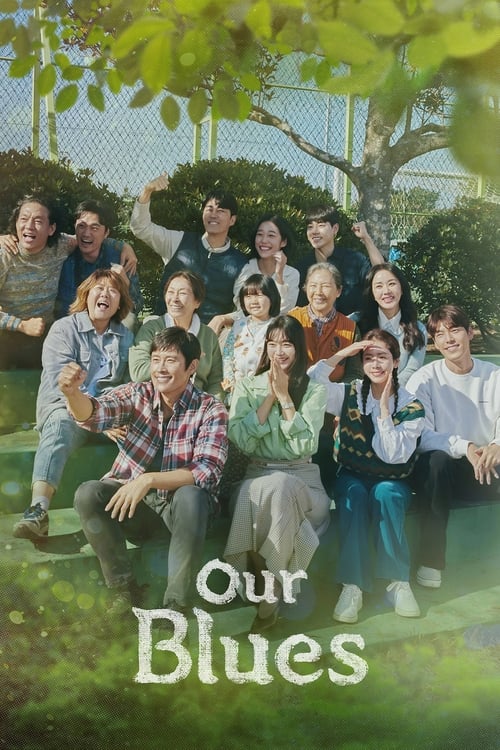
The series culminates in a series of events that bring the characters together in a community gathering, where they celebrate their connections and the resilience of the human spirit. The atmosphere is filled with joy, laughter, and a sense of belonging, showcasing the importance of community in overcoming personal struggles.
In the final scenes, each character reflects on their journey, acknowledging the challenges they have faced and the growth they have achieved. The series ends on a hopeful note, emphasizing the idea that despite life's hardships, there is always a chance for renewal and connection.








What is the ending?
In the ending of "Our Blues," the characters find closure in their personal journeys. The series culminates with the characters reflecting on their pasts, reconciling their relationships, and embracing their futures. The stories of love, loss, and resilience intertwine, leaving the audience with a sense of hope and connection to the characters' lives.
As the final episodes unfold, we see the characters navigating their intertwined fates against the backdrop of Jeju Island.
Scene 1: The sun rises over Jeju Island, casting a warm glow on the familiar landscapes. The camera pans to Lee Dong-seok, who stands at the harbor, contemplating his life choices. He reflects on his past struggles and the relationships he has built. His internal conflict about leaving the island is palpable, but he ultimately decides to stay, realizing that his home is where his heart lies.
Scene 2: Meanwhile, Jung Eun-hee is seen at her flower shop, arranging blooms with care. She is visited by her estranged mother, who has come to reconcile after years of distance. The emotional reunion is filled with tears and apologies, as Eun-hee expresses her hurt but also her desire to move forward. They embrace, symbolizing the healing of their fractured relationship.
Scene 3: The narrative shifts to the younger couple, the passionate yet tumultuous relationship between the characters. They face a pivotal moment where they must decide whether to continue their relationship or part ways. After a heartfelt conversation filled with vulnerability, they choose to stay together, promising to support each other through life's challenges.
Scene 4: The community gathers for a local festival, celebrating the bonds that have formed among them. The atmosphere is vibrant, filled with laughter and music. Dong-seok and Eun-hee share a moment, acknowledging their friendship and the support they have provided each other throughout their struggles. Their connection deepens, hinting at a potential romantic future.
Scene 5: The series concludes with a montage of the characters moving forward in their lives. Dong-seok is seen helping at the harbor, Eun-hee continues to nurture her flower shop, and the younger couple is shown planning their future together. The camera captures the beauty of Jeju Island, symbolizing hope and new beginnings.
In the final moments, the characters look out at the ocean, reflecting on their journeys. The screen fades to black, leaving the audience with a sense of closure and the understanding that while life is filled with challenges, love and community can provide strength and resilience. Each character has found their place, and the bonds they have formed will carry them into the future.
Is there a post-credit scene?
In the TV show "Our Blues," there is no post-credit scene. The series concludes its narrative without any additional scenes after the credits roll. The focus remains on the emotional arcs and resolutions of the characters throughout the episodes, emphasizing their relationships and personal growth rather than extending the story with a post-credit moment. The final scenes wrap up the various storylines, leaving viewers with a sense of closure regarding the characters' journeys.
What is the relationship between Lee Dong-seok and Min Sun-ah?
Lee Dong-seok, a fish seller, has a complicated relationship with Min Sun-ah, who returns to Jeju Island after years away. Their past is filled with unspoken feelings and unresolved issues, as they were once close friends. As the series progresses, their interactions reveal a deep emotional connection, with Dong-seok grappling with his feelings for Sun-ah while she struggles with her own personal demons.
How does the character of Jung Eun-hee cope with her family's struggles?
Jung Eun-hee, a single mother, faces numerous challenges as she tries to provide for her children while dealing with her own insecurities and the stigma of being a single parent. Her emotional journey is marked by moments of vulnerability, strength, and resilience, as she navigates the complexities of her relationships with her children and the community around her.
What challenges does the character of Choi Han-soo face in his life?
Choi Han-soo, a former professional baseball player, struggles with the aftermath of his career and the pressure to succeed in a new life. His journey is filled with moments of self-doubt and the desire to prove himself, both to his family and to the community. As he confronts his past mistakes, Han-soo's character development highlights themes of redemption and the search for identity.
How does the character of Kim Hye-ja influence the lives of others in the series?
Kim Hye-ja, an elderly woman, serves as a matriarchal figure in the community, offering wisdom and support to those around her. Her interactions with younger characters reveal her deep understanding of life's struggles, and she often acts as a guiding force, helping others find their paths. Her presence is a source of comfort and strength, showcasing the importance of intergenerational relationships.
What is the significance of the Jeju Island setting in the characters' lives?
The setting of Jeju Island plays a crucial role in shaping the characters' stories and their emotional landscapes. The island's natural beauty contrasts with the characters' internal struggles, serving as a backdrop for their personal growth and connections. The community's close-knit nature amplifies the characters' interactions, highlighting themes of belonging, nostalgia, and the impact of place on identity.
Is this family friendly?
"Our Blues," produced in 2022, is a poignant drama that explores the lives of various characters living on Jeju Island, delving into themes of love, loss, and the complexities of human relationships. While the show is rich in emotional depth and offers valuable life lessons, it does contain some elements that may be considered objectionable or upsetting for children or sensitive viewers.
-
Themes of Loss and Grief: Several characters grapple with the death of loved ones, which may evoke strong emotions and sadness.
-
Family Conflict: There are scenes depicting familial strife, including arguments and misunderstandings that can be intense and emotionally charged.
-
Mental Health Struggles: Some characters face mental health challenges, including depression and anxiety, which are portrayed realistically and may be distressing for some viewers.
-
Romantic Relationships: The show includes complex romantic relationships that may involve heartbreak, infidelity, and emotional turmoil.
-
Socioeconomic Issues: Characters deal with financial struggles and societal pressures, which can be heavy themes for younger audiences.
-
Physical Altercations: There are moments of conflict that may involve physical confrontations, which could be unsettling.
-
Cultural References: Some cultural nuances and adult themes may not be easily understood by younger viewers.
Overall, while "Our Blues" offers a rich narrative and character development, its exploration of deep emotional and social issues may not be suitable for all children or sensitive individuals. Viewer discretion is advised.