











Popular
What is the significance of the Bulgasal curse in the story?
How does the relationship between Dan Sol and Min Sang Un evolve throughout the series?
What role does the character of Kwon Soo Hyun play in the story?
How does the past life of Dan Sol influence his actions in the present?
What is the significance of the recurring theme of reincarnation in the series?
Should I watch it?
Ask Your Own Question

What is the plot?
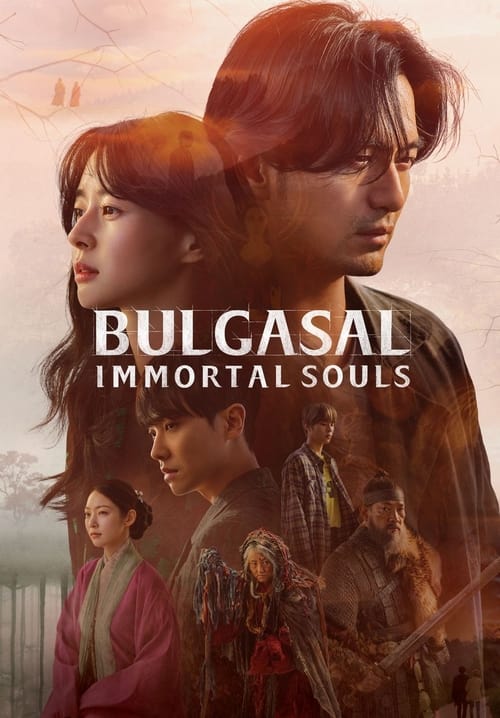
The story begins in the distant past during the Goryeo Dynasty, where a man named Dan Geuk is cursed to live as a Bulgasal, a creature that feeds on the souls of humans. He is betrayed by his own family, leading to a tragic confrontation where he loses everything he holds dear. This betrayal sets the stage for his eternal suffering, as he becomes a being that cannot die and is haunted by the memories of his past life.
Fast forward to the present day, Dan Geuk, now known as the Bulgasal, is living a solitary life, trying to avoid human contact. He is portrayed as a brooding figure, grappling with his immortality and the weight of his past. His existence is marked by a deep sense of loneliness and a desire for redemption. He is often seen wandering through desolate landscapes, reflecting on his lost humanity.
Meanwhile, a woman named Min Sang Un is introduced. She is a reincarnation of a person from Dan Geuk's past, and she has been living a troubled life, plagued by visions and memories that do not belong to her. Sang Un is depicted as a strong-willed character, determined to uncover the truth about her past and the strange connection she feels towards Dan Geuk. Her emotional turmoil is palpable as she struggles with her identity and the haunting memories that surface.
As the narrative unfolds, Sang Un's life takes a dramatic turn when she encounters Dan Geuk. Their first meeting is charged with tension, as she feels an inexplicable pull towards him. Dan Geuk, on the other hand, is conflicted; he is drawn to her but also fearful of the consequences of their connection. This encounter ignites a series of events that will intertwine their fates.
The plot thickens when a group of supernatural beings, including a powerful shaman, becomes aware of Dan Geuk's existence. They seek to eliminate him, believing that his immortality poses a threat to the balance of the world. This introduces a new layer of conflict, as Dan Geuk must now navigate not only his own demons but also external forces that wish to destroy him.
Sang Un's investigation into her past leads her to discover the truth about her previous life and her connection to Dan Geuk. She learns that she was once a key figure in his life, and this revelation deepens her emotional struggle. The audience witnesses her grappling with the weight of this knowledge, torn between her current life and the remnants of her past.
As the tension escalates, Dan Geuk and Sang Un find themselves on the run from the supernatural beings hunting them. A series of intense confrontations ensue, showcasing Dan Geuk's formidable powers as a Bulgasal. He fights fiercely to protect Sang Un, revealing his deep-seated desire to atone for his past mistakes. The action sequences are filled with dynamic choreography, highlighting Dan Geuk's strength and agility as he battles against the odds.
In a pivotal moment, Sang Un confronts her own fears and decides to embrace her connection with Dan Geuk. This decision marks a turning point in their relationship, as they begin to work together to uncover the truth behind their intertwined fates. Their bond deepens, and they share moments of vulnerability, revealing their innermost fears and desires.
As the climax approaches, the shaman and her followers launch a final assault on Dan Geuk and Sang Un. The confrontation is intense, filled with high stakes and emotional weight. Dan Geuk fights valiantly, showcasing his powers, but he is also faced with the reality of his curse. The battle is not just physical; it is also a struggle for redemption and acceptance.
In the aftermath of the confrontation, Dan Geuk is forced to confront the consequences of his actions. He must make a choice between continuing his life as a Bulgasal or seeking a way to break the curse that binds him. This decision is fraught with emotional turmoil, as he weighs the possibility of losing Sang Un against the chance for redemption.
The story reaches its resolution as Dan Geuk and Sang Un find a way to confront their pasts together. They embark on a journey to seek closure, facing the ghosts of their former lives. This journey is filled with poignant moments, as they reflect on their shared history and the impact of their choices.
Ultimately, the series concludes with a sense of hope and renewal. Dan Geuk's journey towards redemption is not just about breaking his curse but also about embracing his humanity. Sang Un's acceptance of her past allows her to move forward, and together they forge a new path, leaving behind the shadows of their former lives. The final scenes are imbued with a sense of peace, as they step into a future filled with possibilities, free from the burdens of their past.








What is the ending?
In the ending of "Bulgasal: Immortal Souls," the main characters face their destinies intertwined with themes of revenge, redemption, and the cyclical nature of life and death. The story culminates in a confrontation between the immortal Bulgasal, Dan Sol, and the reincarnated souls of those he has wronged. Ultimately, Dan Sol sacrifices herself to break the cycle of vengeance, leading to a bittersweet resolution for the characters involved.
As the final episodes unfold, the tension escalates between the characters, particularly between Dan Sol and the Bulgasal, who is revealed to be the immortal being, Min Sang-woon. The scene opens with a dark, stormy night, the atmosphere thick with impending confrontation. Dan Sol, now fully aware of her past lives and the pain caused by Sang-woon, stands resolute, her heart heavy with the weight of her choices.
In a dimly lit forest clearing, Dan Sol confronts Sang-woon, who is tormented by his own existence and the bloodshed he has caused over centuries. The air crackles with tension as they exchange words filled with sorrow and regret. Dan Sol's eyes glisten with tears, reflecting her internal struggle; she understands that to end the cycle of suffering, she must make the ultimate sacrifice.
As the confrontation intensifies, flashbacks reveal the tragic history between them, showcasing the love and betrayal that has defined their lives. The visuals shift between the present and past, illustrating the deep emotional scars that bind them. Sang-woon, despite his monstrous form, reveals a flicker of humanity, his voice trembling as he pleads for understanding.
In a pivotal moment, Dan Sol steps forward, her resolve unwavering. She embraces Sang-woon, whispering words of forgiveness and love, which pierce through his hardened exterior. The scene is charged with emotion, the camera capturing the raw vulnerability in both characters. As they hold each other, a blinding light envelops them, symbolizing the release of their burdens.
In a heart-wrenching climax, Dan Sol sacrifices herself, allowing her essence to merge with Sang-woon's, breaking the cycle of reincarnation and vengeance. The forest is illuminated with a brilliant glow, and the sound of a heartbeat echoes, signifying the end of their torment. Sang-woon, now free from his curse, collapses to the ground, tears streaming down his face as he mourns the loss of Dan Sol.
The final scenes depict Sang-woon, now a mortal man, living a quiet life, haunted yet hopeful. He visits a serene lake, where he sees a reflection of Dan Sol smiling back at him, a reminder of their love and the peace they have finally found. The camera pans out, showing the tranquil landscape, symbolizing a new beginning.
In the closing moments, the narrative shifts to the other characters. The reincarnated souls of those affected by Sang-woon's past actions find closure, their fates intertwined with the resolution of the main conflict. Each character, having faced their own demons, is shown moving forward, embodying the themes of forgiveness and the possibility of redemption.
The series concludes with a poignant message about the cyclical nature of life, the importance of confronting one's past, and the power of love to transcend even the darkest of curses. The screen fades to black, leaving the audience with a sense of bittersweet resolution, reflecting on the journey of the characters and the enduring impact of their choices.
Is there a post-credit scene?
In "Bulgasal: Immortal Souls," there is no post-credit scene. The series concludes with its final episode, wrapping up the intricate storylines and character arcs without any additional scenes after the credits. The ending focuses on the resolution of the main characters' fates, particularly the relationship between Dan Sol and the immortal being, Bulgasal, as they confront their pasts and the cycle of reincarnation. The emotional weight of their journey is emphasized, leaving viewers with a sense of closure rather than teasing future developments.
What is the significance of the Bulgasal curse in the story?
The Bulgasal curse is central to the narrative, representing a cycle of suffering and immortality. The protagonist, Dan Sol, is cursed to live forever, feeding on the souls of others, which creates a deep internal conflict as he grapples with his humanity and the pain of his past. This curse drives his actions and relationships throughout the series.
How does the relationship between Dan Sol and Min Sang Un evolve throughout the series?
Dan Sol and Min Sang Un's relationship is complex and evolves from initial animosity to a deep, intertwined bond. Initially, Sang Un is terrified of Dan Sol due to his Bulgasal nature, but as they face various challenges together, they begin to understand each other's pain and motivations, leading to a profound emotional connection that transcends their cursed fates.
What role does the character of Kwon Soo Hyun play in the story?
Kwon Soo Hyun serves as a pivotal character who is a detective investigating the mysterious occurrences surrounding Dan Sol and Sang Un. His determination to uncover the truth about the Bulgasal and his own past adds layers to the narrative, as he becomes entangled in the supernatural elements of the story, ultimately revealing his own connections to the curse.
How does the past life of Dan Sol influence his actions in the present?
Dan Sol's past life is filled with tragedy and loss, which heavily influences his present actions. Memories of his former life, including the pain of losing loved ones and the betrayal he faced, haunt him and shape his motivations. This backstory adds depth to his character, as he struggles with the consequences of his immortality and seeks redemption.
What is the significance of the recurring theme of reincarnation in the series?
Reincarnation is a recurring theme that ties the characters' fates together. The idea that souls are reborn and carry the weight of their past lives creates a rich tapestry of interconnected stories. This theme is particularly significant for Dan Sol and Sang Un, as their past lives influence their current relationship and the choices they make, highlighting the cyclical nature of their struggles.
Is this family friendly?
"Bulgasal: Immortal Souls" is a fantasy drama that contains several elements that may not be suitable for children or sensitive viewers. Here are some potentially objectionable or upsetting aspects:
-
Violence and Gore: The series features scenes of intense violence, including battles and confrontations that may involve bloodshed and graphic imagery.
-
Death and Suffering: Themes of death are prevalent throughout the show, with characters experiencing significant loss and emotional turmoil, which can be distressing.
-
Supernatural Elements: The presence of supernatural beings and dark themes may be frightening for younger viewers, including the portrayal of spirits and curses.
-
Emotional Trauma: Characters deal with deep emotional pain, betrayal, and revenge, which can be heavy and complex for younger audiences to process.
-
Mature Themes: The narrative explores themes of immortality, existential dread, and the consequences of one's actions over time, which may be too mature for children.
These elements contribute to a darker tone that may not be appropriate for all viewers, particularly younger children or those sensitive to such themes.









