







Popular
What are the unique powers of the main characters in The Villains of Valley View?
How does the family adapt to their new life in Valley View after moving from their villainous past?
What is the relationship dynamic between the siblings in the show?
What role does the character of the neighbor play in the family's story?
How do the characters' villainous traits manifest in their everyday lives?
Should I watch it?
Ask Your Own Question

What is the plot?
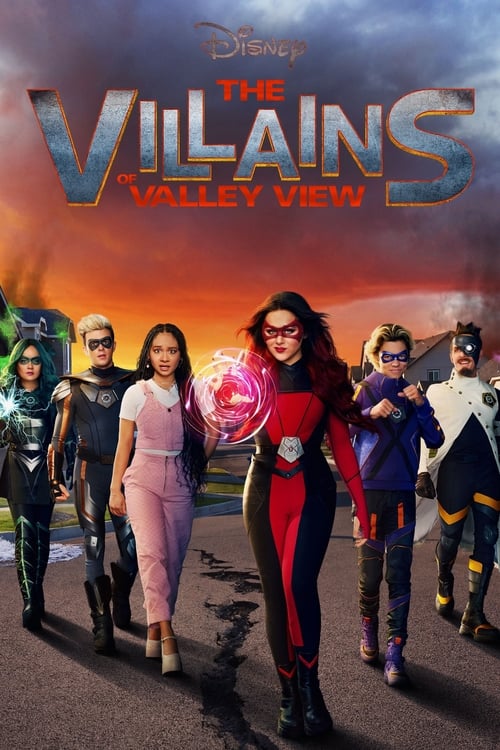
The story begins with the introduction of the villainous family, the McBrides, who are on the run from their past misdeeds. The family consists of the overprotective mother, a powerful villain named "The General," the father, a former villain named "The King," and their three children: the rebellious teenage daughter, "Amy," the nerdy son, "Jake," and the youngest child, "Colin." They relocate to the seemingly quiet town of Valley View, hoping to blend in and escape their villainous reputation.
As they settle into their new home, the McBrides face the challenge of fitting in with the local community. Amy struggles with her identity as a villain and the expectations placed on her by her family. She feels the pressure to uphold her family's legacy while also wanting to forge her own path. Meanwhile, Jake is more interested in technology and video games than in embracing his family's villainous ways. Colin, the youngest, is eager to impress his family and prove himself as a worthy villain.
The family quickly discovers that their new neighbors, the "Valley View Heroes," are a group of local kids who are determined to protect their town from any threats. This group includes the confident and charismatic "Dylan," the smart and resourceful "Maya," and the athletic "Zoe." The McBrides' arrival sparks tension between the two groups, as the heroes suspect the newcomers may not be who they claim to be.
In an early confrontation, Amy and Dylan clash at school, where she accidentally reveals her powers during a heated argument. This incident draws the attention of the Valley View Heroes, who begin to investigate the McBrides further. Meanwhile, The General is determined to keep her family's powers a secret, fearing that exposure could lead to their capture by the authorities.
As the story progresses, the McBrides face various challenges in their attempts to maintain a low profile. They struggle with everyday tasks like attending school and making friends, all while trying to hide their true identities. Tensions rise when the Valley View Heroes discover the McBrides' secret lair, leading to a confrontation where both sides must confront their biases and assumptions about each other.
In a pivotal moment, Amy decides to join forces with the Valley View Heroes after realizing that they share a common goal of protecting their town. This decision creates a rift within her family, particularly with The General, who feels betrayed by Amy's choice to align with their enemies. The family dynamics become strained as they grapple with their identities and the consequences of their actions.
The climax of the story occurs when a new threat emerges in Valley View, forcing the McBrides and the Valley View Heroes to work together. This villain, a powerful figure from the McBrides' past, threatens to expose their secrets and wreak havoc on the town. The two groups must put aside their differences and combine their strengths to confront this common enemy.
In the final showdown, the McBrides and the Valley View Heroes engage in an epic battle against the new villain. Each character showcases their unique abilities, and the stakes are high as they fight to protect their town. The confrontation is intense, with moments of teamwork and sacrifice as they face overwhelming odds.
Ultimately, the McBrides manage to defeat the villain, but not without significant personal cost. The experience forces them to reevaluate their values and the importance of family and friendship. In the aftermath, the McBrides are accepted by the Valley View community, and Amy finds a sense of belonging among her new friends. The family begins to embrace their identities, not just as villains, but as individuals who can choose to do good.
The series concludes with the McBrides deciding to stay in Valley View, ready to face whatever challenges come their way, united as a family and as part of their new community.






What is the ending?
In the ending of "The Villains of Valley View," the family of villains faces a climactic showdown with their adversaries, ultimately leading to a resolution that emphasizes their bond and acceptance of their identities. The characters confront their fears and insecurities, culminating in a moment of unity that allows them to overcome the challenges they face.
As the final episode unfolds, the scene opens in the family's home, where the tension is palpable. The villains, led by the matriarch, have been grappling with the threat posed by their enemies, who seek to expose their true identities. The stakes are high, and the family must come together to protect one another.
Scene by scene, the narrative progresses. The first scene shows the family gathered in the living room, discussing their plan to thwart their enemies. Each character reveals their fears: the mother, who worries about losing her family; the father, who feels the weight of his past mistakes; and the children, who struggle with their own identities as villains in a world that doesn't accept them. The emotional weight of their conversation is heavy, filled with moments of vulnerability and determination.
In the next scene, the family splits up to execute their plan. The daughter, who has been trying to balance her villainous heritage with her desire for normalcy, takes a bold step to confront her fears. She faces off against a rival who has been a constant source of conflict, showcasing her growth and newfound confidence. The tension in this scene is electric, as the stakes are personal and the outcome uncertain.
Meanwhile, the father and mother work together to create a diversion, using their powers in a way that highlights their teamwork and deepens their bond. Their interactions are filled with both humor and seriousness, showcasing their love for each other and their commitment to their family. The scene is visually dynamic, with special effects illustrating their powers in action, creating a thrilling atmosphere.
As the climax approaches, the family reunites, realizing that their strength lies in their unity. They confront their enemies together, showcasing their powers in a spectacular showdown. The visuals are intense, with bright colors and dramatic music underscoring the action. Each family member plays a crucial role, demonstrating their growth and the importance of supporting one another.
In the final moments, after the conflict is resolved, the family stands together, reflecting on their journey. They acknowledge their flaws and the challenges they've faced, but also celebrate their victories. The emotional resonance of this scene is profound, as they embrace their identities as both villains and a family. The camera pans out, showing them united, symbolizing their acceptance of who they are.
In the closing scene, the family is seen enjoying a quiet moment together, laughing and sharing stories. This peaceful resolution highlights the theme of acceptance and the importance of family bonds, regardless of their villainous nature. Each character has found a sense of belonging, and their futures are filled with hope and possibility.
The fate of each main character is one of growth and acceptance. The mother and father reaffirm their commitment to each other and their family, while the children embrace their identities, ready to face whatever challenges come next. The ending encapsulates the essence of the series, leaving viewers with a sense of closure and the understanding that family, in all its forms, is what truly matters.
Is there a post-credit scene?
In "The Villains of Valley View," there is indeed a post-credit scene that adds a humorous twist to the episode. After the main storyline concludes, the scene opens with the characters in their usual chaotic environment. The camera focuses on the family's living room, where the tension from the episode's events lingers in the air.
Suddenly, the door swings open, and a new character, a quirky neighbor, bursts in, completely oblivious to the chaos that just unfolded. With a bright smile, they enthusiastically announce their plans for a neighborhood block party, completely ignoring the disarray around them. The family exchanges bewildered glances, their expressions a mix of confusion and exasperation.
As the neighbor continues to ramble about party games and food, the camera zooms in on the main characters' faces, showcasing their internal struggle between wanting to be polite and the overwhelming urge to escape the situation. The scene ends with a comedic freeze-frame of the family, caught in a moment of shared disbelief, before the credits roll, leaving viewers with a light-hearted chuckle and a sense of anticipation for the next episode.
What are the unique powers of the main characters in The Villains of Valley View?
The main characters, who are a family of supervillains, each possess unique powers that reflect their villainous personas. For instance, the mother, who is the leader, has the ability to manipulate energy, while the father can control shadows. Their children also have distinct powers: one can create illusions, another has super strength, and the youngest has the ability to teleport. These powers often lead to humorous situations as they navigate their new life in Valley View.
How does the family adapt to their new life in Valley View after moving from their villainous past?
The family struggles to fit in with the normal suburban life of Valley View. They face challenges such as hiding their powers from neighbors and dealing with the typical issues of teenage life. The eldest child, who is particularly rebellious, often clashes with the parents over their villainous ways, leading to comedic yet heartfelt moments as they try to balance their identities.
What is the relationship dynamic between the siblings in the show?
The siblings have a complex relationship characterized by rivalry, loyalty, and occasional teamwork. The eldest sibling often feels the pressure of being the responsible one, while the middle child seeks to prove themselves and often engages in pranks. The youngest sibling, who is more innocent and naive, looks up to both and often finds themselves caught in the middle of their conflicts, leading to both comedic and touching moments.
What role does the character of the neighbor play in the family's story?
The neighbor, who is initially suspicious of the family, becomes a pivotal character as he tries to uncover their secrets. His interactions with the family often lead to comedic misunderstandings, but he also serves as a foil to their villainous ways, representing the normalcy they are trying to achieve. Over time, he becomes an unlikely ally, helping them navigate their challenges in Valley View.
How do the characters' villainous traits manifest in their everyday lives?
The characters' villainous traits often lead to humorous situations in their daily lives. For example, the mother's energy manipulation might accidentally cause a power outage during a neighborhood barbecue, while the father's shadow control could lead to spooky misunderstandings with the local kids. These traits create a constant tension between their desire to fit in and their inherent villainous nature, leading to both comedic and heartfelt moments throughout the series.
Is this family friendly?
"The Villains of Valley View" is generally considered a family-friendly show, but it does contain some elements that may be objectionable or upsetting for children or sensitive viewers. Here are a few aspects to consider:
-
Supernatural Elements: The show features characters with supervillain powers, which may include scenes of destruction or chaos that could be intense for younger viewers.
-
Conflict and Rivalry: There are moments of conflict between characters, including arguments and confrontations that may depict negative behavior or attitudes.
-
Humor Based on Villainy: The comedic elements often revolve around villainous behavior, which might not always align with positive moral lessons.
-
Emotional Struggles: Characters experience feelings of isolation, frustration, and the pressure to fit in, which could resonate with sensitive viewers.
-
Mild Scares: Some scenes may include mild suspense or scary moments typical of superhero and villain narratives, which could be unsettling for younger children.
Overall, while the show aims to entertain and provide humor, parents may want to preview episodes to gauge their appropriateness for their children.








