









Popular
What is the significance of Ptolemy's relationship with Robyn?
How does Ptolemy's memory loss affect his understanding of his past?
What role does the mysterious treatment play in Ptolemy's journey?
How does Ptolemy cope with the loss of his family members throughout the series?
What impact does the setting of Ptolemy's neighborhood have on the story?
Should I watch it?
Ask Your Own Question

What is the plot?
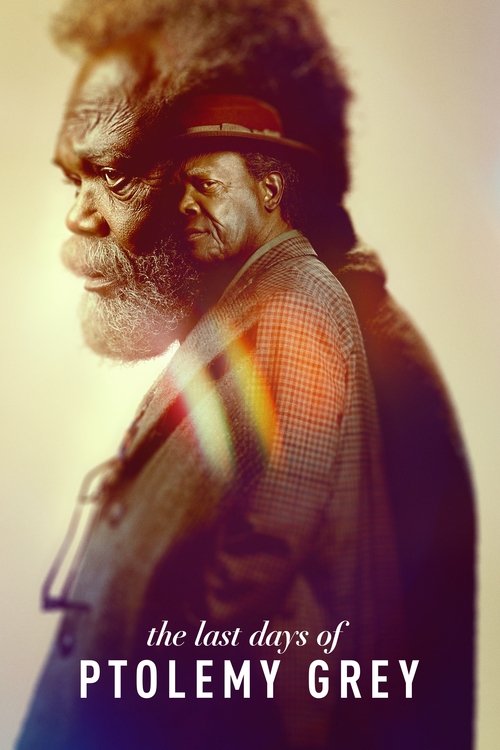
Ptolemy Grey, an elderly man suffering from dementia, lives alone in a dilapidated house filled with memories of his past. He struggles with his failing memory, often forgetting important details about his life and the people around him. His only companion is his great-nephew, Reggie, who helps him navigate daily life. Reggie is deeply caring but also burdened by the responsibility of looking after Ptolemy, who often becomes confused and disoriented.
One day, Reggie informs Ptolemy that he has been diagnosed with a terminal illness. This news weighs heavily on Ptolemy, who feels the urgency of his situation. Shortly after, Reggie is tragically killed in a violent incident, leaving Ptolemy devastated and alone. The loss of Reggie exacerbates Ptolemy's mental decline, and he becomes increasingly isolated, grappling with grief and confusion.
As Ptolemy's condition worsens, he is approached by a young woman named Robyn, who is looking for a place to stay. Robyn is resourceful and determined, and she quickly forms a bond with Ptolemy. She becomes a stabilizing force in his life, helping him with daily tasks and providing companionship. Ptolemy begins to open up to Robyn, sharing stories from his past and revealing the depth of his character.
Robyn learns about a potential treatment that could restore Ptolemy's memory and cognitive abilities. This treatment involves a controversial experimental drug that has not been widely tested. Despite his initial hesitation, Ptolemy decides to pursue the treatment, motivated by the desire to reclaim his memories and make sense of his life before it is too late.
After receiving the treatment, Ptolemy experiences a significant improvement in his mental clarity. He begins to remember details about his life, including his family history and the events leading up to Reggie's death. This newfound clarity brings both joy and pain, as he confronts the realities of his past and the loss of his loved ones.
As Ptolemy's memories return, he becomes determined to seek justice for Reggie's death. He investigates the circumstances surrounding the incident, uncovering a web of corruption and betrayal that leads him to confront powerful figures in his community. Ptolemy's quest for justice is fueled by a mix of anger, grief, and a desire to honor Reggie's memory.
Throughout this journey, Ptolemy's relationship with Robyn deepens. She becomes not only his caretaker but also a confidante and ally in his fight for justice. Their bond is tested as they face external threats and the challenges of Ptolemy's past. Robyn's loyalty and strength help Ptolemy navigate the complexities of his situation, and together they confront the obstacles in their path.
In a climactic confrontation, Ptolemy faces the individuals responsible for Reggie's death. The encounter is tense and fraught with emotion, as Ptolemy channels his pain and anger into a powerful statement about justice and accountability. This moment serves as a turning point for Ptolemy, solidifying his resolve to stand up for what is right, even in the face of overwhelming odds.
As the story progresses, Ptolemy grapples with the implications of his regained memories. He reflects on the choices he made throughout his life and the impact they had on those he loved. The emotional weight of his past becomes a driving force in his actions, as he seeks to make amends and find peace before his time runs out.
In the final moments of the story, Ptolemy comes to terms with his mortality. He acknowledges the importance of the relationships he has built, particularly with Robyn, who has become a vital part of his life. Ptolemy's journey culminates in a poignant realization about love, loss, and the legacy he wishes to leave behind. The narrative closes with a sense of closure, as Ptolemy embraces his past and the connections that have shaped him, leaving a lasting impact on both himself and those around him.









What is the ending?
In the ending of "The Last Days of Ptolemy Grey," Ptolemy Grey, after experiencing a brief return to clarity and memory, ultimately succumbs to his Alzheimer's disease. He makes a poignant decision to ensure the safety and future of his great-nephew, Robyn, before he loses himself completely. The series concludes with Ptolemy's passing, leaving Robyn to carry on his legacy and memories.
As the final episodes unfold, we see Ptolemy Grey, portrayed by Samuel L. Jackson, grappling with the fleeting moments of lucidity that come with the experimental treatment he receives. The narrative builds tension as Ptolemy, who has been largely isolated due to his condition, begins to reconnect with his past and the people he loves, particularly Robyn, played by Dominique Fishback.
In a pivotal scene, Ptolemy, now more aware and engaged, reflects on his life and the relationships that have shaped him. He shares heartfelt moments with Robyn, who has been his caretaker and anchor throughout his struggles. Their bond deepens as they reminisce about family, love, and loss, showcasing the emotional weight of their shared experiences. Ptolemy's memories, once fragmented, begin to coalesce, allowing him to impart wisdom and guidance to Robyn, who has faced her own challenges.
As the story progresses, Ptolemy's health deteriorates, and the effects of the treatment begin to wane. He experiences moments of confusion and despair, but also bursts of clarity that allow him to express his love and hopes for Robyn's future. In a particularly moving scene, Ptolemy tells Robyn that she must live her life fully and not be burdened by his fading presence. This moment encapsulates his desire to protect her, even as he faces his own mortality.
In the climax of the series, Ptolemy's condition worsens, and he finds himself slipping away from reality. He has a final, emotional conversation with Robyn, where he reassures her that she will be okay and that he will always be with her in spirit. This moment is filled with both sorrow and a sense of closure, as Ptolemy acknowledges his impending death while also celebrating the life and strength of Robyn.
The series concludes with Ptolemy passing away peacefully, leaving Robyn to navigate her life without him. The final scenes depict Robyn reflecting on their time together, holding onto the memories and lessons Ptolemy imparted. She stands strong, embodying the resilience and hope that Ptolemy instilled in her, suggesting that while he may be gone, his influence and love will continue to guide her.
In summary, the ending of "The Last Days of Ptolemy Grey" is a poignant exploration of memory, love, and legacy, as Ptolemy Grey faces the end of his life with dignity, ensuring that Robyn is prepared to face the world on her own.
Is there a post-credit scene?
The Last Days of Ptolemy Grey does not feature a post-credit scene. The series concludes its narrative without any additional scenes after the credits roll, focusing instead on the emotional resolution of Ptolemy's journey and the themes of memory, loss, and redemption that permeate the story. The final moments encapsulate the essence of Ptolemy's experiences and the impact of his relationships, particularly with Robyn, leaving viewers with a poignant sense of closure.
What is the significance of Ptolemy's relationship with Robyn?
Ptolemy Grey's relationship with Robyn is central to the narrative, as she becomes his caretaker and a source of emotional support. Robyn, a young woman who is initially a stranger, gradually becomes a vital part of Ptolemy's life, helping him navigate his struggles with dementia. Their bond deepens as Ptolemy begins to regain some of his memories and clarity, allowing him to reflect on his past and the choices he made. This relationship highlights themes of connection, memory, and the impact of care on one's identity.
How does Ptolemy's memory loss affect his understanding of his past?
Ptolemy's memory loss profoundly affects his understanding of his past, as he grapples with fragmented recollections and the emotional weight of his experiences. As he begins to regain some memories through a treatment, he confronts painful truths about his family, particularly the loss of his nephew, and the circumstances surrounding it. This journey through his memories is both enlightening and traumatic, forcing Ptolemy to reconcile with his regrets and the legacy he wishes to leave behind.
What role does the mysterious treatment play in Ptolemy's journey?
The mysterious treatment that Ptolemy undergoes serves as a catalyst for his journey of self-discovery. Initially skeptical, Ptolemy's decision to try the treatment leads to a temporary restoration of his cognitive abilities, allowing him to access memories and emotions that had been locked away. This newfound clarity propels him into action, as he seeks to uncover the truth about his past and the injustices faced by his family. However, the treatment also raises ethical questions about memory and identity, as Ptolemy must confront the consequences of his regained awareness.
How does Ptolemy cope with the loss of his family members throughout the series?
Throughout the series, Ptolemy copes with the loss of his family members, particularly his nephew, through a mix of denial, grief, and moments of clarity. His dementia often clouds his ability to process these losses, leading to emotional outbursts and confusion. However, as he begins to regain his memories, he confronts the pain of these losses more directly. The series portrays his struggle to honor their memory while also seeking justice for the wrongs they suffered, illustrating the complexity of grief and the longing for connection.
What impact does the setting of Ptolemy's neighborhood have on the story?
The setting of Ptolemy's neighborhood plays a crucial role in the story, reflecting the socio-economic challenges faced by its residents. The community is depicted as vibrant yet struggling, with Ptolemy's home serving as a microcosm of his life experiences. The interactions with neighbors and the environment highlight themes of resilience and the importance of community support. As Ptolemy navigates his journey, the neighborhood serves as a backdrop for his memories and the relationships that shape his identity, emphasizing the interconnectedness of personal and communal histories.
Is this family friendly?
"The Last Days of Ptolemy Grey" contains several themes and scenes that may not be suitable for children or sensitive viewers. Here are some potentially objectionable or upsetting aspects:
-
Themes of Dementia and Memory Loss: The show explores the struggles of aging and the impact of dementia, which can be emotionally heavy and distressing.
-
Death and Grief: There are scenes that deal with loss, mourning, and the emotional turmoil associated with death, which may be upsetting for younger audiences.
-
Violence and Threats: Some scenes depict violence or threats, including confrontations that may evoke fear or anxiety.
-
Substance Abuse: The narrative touches on themes of addiction and the effects of substance use, which may be inappropriate for younger viewers.
-
Emotional Turmoil: Characters experience deep emotional pain, betrayal, and complex relationships, which may be difficult for children to understand or process.
-
Social Issues: The show addresses systemic racism and social injustice, which, while important topics, may be heavy for younger audiences.
These elements contribute to a narrative that is more suited for mature viewers who can engage with its complex themes and emotional depth.







