


















Popular
How does the relationship between Red Bill and the Sheriff evolve?
How does the character of the Sheriff reflect the themes of justice and morality?
What is the significance of the setting in shaping the characters' journeys?
What motivates the character of Red Bill throughout the series?
What role does the titular 'Dirty Black Bag' play in the story?
Should I watch it?
Ask Your Own Question

What is the plot?
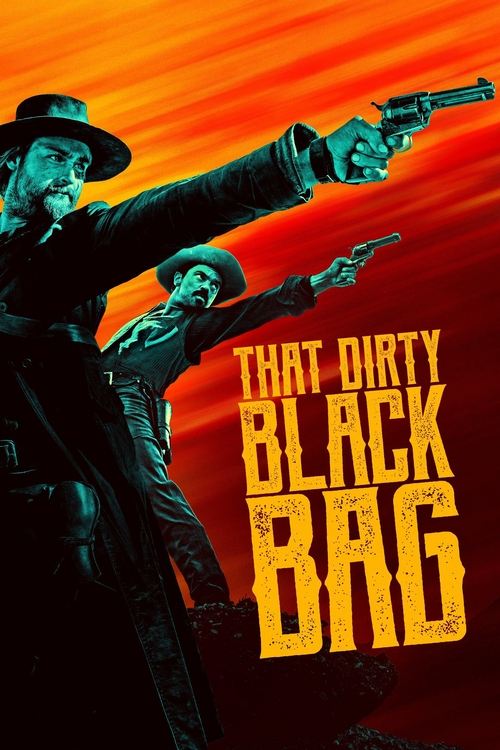
In the desolate landscape of the American West, the story begins with a mysterious figure known as the Sheriff, who is portrayed as a ruthless and cunning man. He rides into a small town, where he is met with a mix of fear and respect from the townsfolk. The Sheriff is on a mission to retrieve a stolen bag that is rumored to contain a significant amount of money. His presence instills a sense of dread, as he is known for his violent methods.
Meanwhile, we are introduced to a character named Red Bill, a bounty hunter with a troubled past. Red Bill is depicted as a man driven by his own demons, seeking redemption through his work. He is shown tracking down a fugitive, which leads him to cross paths with the Sheriff. Their initial encounter is tense, filled with unspoken animosity and a sense of competition over the bounty.
As the plot unfolds, Red Bill discovers that the bag the Sheriff is after is not just any bag; it holds the key to a larger conspiracy involving corrupt officials and a hidden treasure. This revelation motivates Red Bill to pursue the bag for himself, setting off a cat-and-mouse game between him and the Sheriff. The stakes are raised as both men become increasingly desperate to claim the bag for their own reasons.
In a pivotal scene, Red Bill confronts a group of outlaws who are also after the bag. This confrontation escalates into a violent shootout, showcasing Red Bill's skills as a marksman and his determination to survive. The chaos of the gunfight is vividly depicted, with bullets flying and dust swirling around the combatants. Red Bill manages to outsmart the outlaws, but not without sustaining injuries that leave him vulnerable.
After the shootout, Red Bill finds himself in a precarious situation, having to hide from both the Sheriff and the outlaws. He takes refuge in an abandoned cabin, where he reflects on his past and the choices that led him to this moment. This introspection reveals his internal struggle and desire for a better life, adding depth to his character.
The Sheriff, relentless in his pursuit, eventually tracks Red Bill to the cabin. A tense standoff ensues, with both men exchanging threats and taunts. The Sheriff attempts to intimidate Red Bill, but Red Bill stands his ground, revealing his own motivations and the personal stakes involved. The confrontation culminates in a brutal fight, where both men showcase their physical prowess and determination to win.
As the fight reaches its climax, Red Bill manages to gain the upper hand, but instead of killing the Sheriff, he chooses to spare his life. This decision is pivotal, as it signifies Red Bill's desire to break free from the cycle of violence that has defined his life. The Sheriff, humiliated and enraged, vows to return for revenge, setting the stage for future conflict.
In the aftermath of their confrontation, Red Bill finally locates the dirty black bag. However, he soon realizes that the contents are not what he expected. Instead of gold or riches, the bag contains evidence of the corruption that runs deep within the town's leadership. This discovery forces Red Bill to confront the moral implications of his actions and the impact they will have on the community.
The story takes a dramatic turn when Red Bill decides to expose the corruption, rallying the townsfolk to stand against the corrupt officials. This act of defiance ignites a sense of hope among the people, who have long lived in fear. Red Bill's transformation from a self-serving bounty hunter to a reluctant hero is marked by his newfound purpose.
As the townsfolk prepare to confront the corrupt officials, the Sheriff returns with a group of armed men, ready to reclaim his authority. A climactic showdown ensues, with both sides clashing in a fierce battle. The fight is chaotic, with gunfire and chaos erupting as the townsfolk, led by Red Bill, fight for their freedom.
In the heat of the battle, Red Bill faces off against the Sheriff once more. This time, the stakes are higher, and the fight is more personal. The emotional weight of their conflict is palpable, as both men grapple with their pasts and the choices that have led them to this moment. The fight is brutal, with each man pushing the other to their limits.
Ultimately, Red Bill emerges victorious, but not without significant cost. The Sheriff is defeated, and the corrupt officials are brought to justice. However, the victory is bittersweet, as Red Bill realizes that the scars of his past will always remain. The townsfolk celebrate their newfound freedom, but Red Bill chooses to ride away, seeking a path of redemption and a chance to start anew.
The series concludes with Red Bill riding off into the sunset, leaving behind the chaos and violence of his past. His journey is one of transformation, as he seeks to find peace in a world that has been marred by conflict. The final scene leaves viewers with a sense of hope, as Red Bill's story continues beyond the confines of the town, hinting at the possibility of a brighter future.
What is the ending?
In the ending of "That Dirty Black Bag," the story culminates in a violent confrontation between the main characters, leading to significant losses and a sense of unresolved tension. The fates of the key characters are sealed in a way that reflects their journeys throughout the series.
As the final episodes unfold, the tension escalates in the desolate landscape of the Old West. The protagonist, Arthur McCoy, faces off against the ruthless bounty hunter, the enigmatic and morally ambiguous character known as the "Black Bag." The showdown is marked by intense emotions, as Arthur grapples with his past and the choices that have led him to this moment.
In a climactic scene, Arthur confronts the Black Bag, revealing the depth of their conflict. The air is thick with anticipation as they exchange words filled with anger and regret. The confrontation is not just physical; it is a battle of wills, where both characters lay bare their motivations and the scars of their pasts.
As the dust settles, the outcome is tragic. Arthur's journey ends in a moment of sacrifice, as he chooses to protect those he loves, leading to his demise. The Black Bag, having achieved his goal, is left to reflect on the cost of his actions. The final moments capture the desolation of the landscape, mirroring the emotional void left by the characters' choices.
The series concludes with a haunting sense of loss and the lingering question of redemption, leaving the audience to ponder the fates of the characters and the moral complexities of their lives.
In the final act of "That Dirty Black Bag," the narrative unfolds with a palpable tension that has been building throughout the series. The sun hangs low in the sky, casting long shadows over the dusty town, a fitting backdrop for the impending confrontation.
Scene 1: The Showdown Begins Arthur McCoy stands at the edge of town, his heart pounding in his chest. He knows that the Black Bag is coming for him, and the weight of his past choices presses heavily on his shoulders. As he grips his weapon, memories flash through his mind--moments of love, loss, and betrayal. The air is thick with dust and anticipation as he prepares for the inevitable clash.
Scene 2: The Confrontation The Black Bag arrives, his presence commanding and foreboding. The two men face each other in the middle of the street, the townsfolk watching from a distance, their breaths held in suspense. Words are exchanged, sharp and cutting, revealing the deep-seated animosity between them. Arthur's voice trembles with a mix of anger and sorrow as he confronts the Black Bag about the destruction he has wrought in his life.
Scene 3: The Fight As tensions reach a boiling point, the confrontation escalates into a violent struggle. Gunfire erupts, echoing through the empty streets. Arthur fights not just for his life but for the lives of those he cares about. Each shot fired is a testament to his desperation and determination. The choreography of the fight is brutal, with both men showcasing their skills and resolve.
Scene 4: The Sacrifice In a moment of clarity amidst the chaos, Arthur realizes that to save his loved ones, he must make the ultimate sacrifice. With a heavy heart, he makes a choice that will seal his fate. As he takes a fatal blow, the world around him slows down, and he reflects on the life he has lived--the mistakes, the regrets, and the fleeting moments of joy. His last thoughts are of the people he loves, and he finds a sense of peace in knowing he has protected them.
Scene 5: The Aftermath The dust settles, and the Black Bag stands over Arthur's lifeless body, a mix of triumph and sorrow etched on his face. He has achieved his goal, but at what cost? The townsfolk emerge from their hiding places, witnessing the aftermath of the confrontation. The landscape, once vibrant with life, now feels hollow and desolate, mirroring the emotional void left by the characters' choices.
Scene 6: A Haunting Conclusion As the sun sets, casting an orange glow over the scene, the Black Bag walks away, burdened by the weight of his actions. The camera lingers on Arthur's body, a poignant reminder of the sacrifices made in the name of love and loyalty. The series concludes with a haunting silence, leaving the audience to grapple with the complexities of the characters' journeys and the moral ambiguities that have defined their lives.
In the end, Arthur McCoy's fate is sealed by his selflessness, while the Black Bag is left to confront the consequences of his ruthless pursuit. The story closes on a note of unresolved tension, inviting reflection on the nature of redemption and the cost of one's choices in a harsh and unforgiving world.
Is there a post-credit scene?
In the 2022 series "That Dirty Black Bag," there is no post-credit scene. The show concludes its narrative without any additional scenes after the credits roll, focusing instead on wrapping up the storylines of its main characters. The final moments of the series leave viewers with a sense of closure regarding the fates of the characters, particularly highlighting the emotional and moral complexities they faced throughout the series. The absence of a post-credit scene emphasizes the weight of the story's conclusion, allowing the audience to reflect on the themes of revenge, redemption, and the harsh realities of life in the Old West.
How does the relationship between Red Bill and the Sheriff evolve?
Initially, Red Bill and the Sheriff are adversaries, each representing different moral codes in a lawless land. As the series progresses, their relationship becomes more nuanced, revealing layers of respect and grudging acknowledgment of each other's skills. Tension builds as they confront their pasts and the choices that led them to their current paths, culminating in a climactic showdown that tests their limits.
How does the character of the Sheriff reflect the themes of justice and morality?
The Sheriff embodies the struggle between upholding the law and the harsh realities of a lawless world. His character grapples with the moral implications of his decisions, often questioning whether true justice can be achieved in a corrupt society. His internal conflict is highlighted in key scenes where he must choose between enforcing the law and protecting those he cares about, showcasing the complexities of morality in a violent landscape.
What is the significance of the setting in shaping the characters' journeys?
The harsh, unforgiving landscape of the Old West is integral to the characters' development. The desolate towns and rugged terrain reflect their inner struggles and the brutality of their lives. Each location serves as a backdrop for pivotal moments, such as confrontations and revelations, emphasizing the isolation and desperation that drive the characters' actions and decisions throughout the series.
What motivates the character of Red Bill throughout the series?
Red Bill, portrayed as a ruthless bounty hunter, is driven by a complex mix of revenge and survival. His past traumas, particularly the loss of loved ones and betrayal, fuel his relentless pursuit of those he deems responsible. This emotional turmoil is evident in his interactions, where he oscillates between cold detachment and moments of vulnerability, revealing a man haunted by his choices.
What role does the titular 'Dirty Black Bag' play in the story?
The 'Dirty Black Bag' serves as a symbol of death and the consequences of a violent life. It is a tool of Red Bill, containing the means to collect bounties and a reminder of the lives he has taken. Throughout the series, the bag's presence evokes fear and respect, becoming a character in its own right as it signifies the weight of Red Bill's actions and the moral ambiguity of his profession.
Is this family friendly?
"That Dirty Black Bag" is a gritty Western drama that contains several elements that may not be suitable for children or sensitive viewers. Here are some potentially objectionable aspects:
-
Violence: The show features graphic depictions of violence, including gunfights, physical confrontations, and the aftermath of violent encounters. Blood and injuries are portrayed in a realistic manner.
-
Death: Characters face mortality in harsh ways, with scenes depicting death and the emotional fallout from loss, which may be distressing.
-
Mature Themes: The narrative explores themes of revenge, betrayal, and moral ambiguity, which may be complex and unsettling for younger audiences.
-
Language: The dialogue includes strong language and profanity, which may not be appropriate for children.
-
Substance Use: There are instances of characters using alcohol and possibly other substances, reflecting the darker aspects of the characters' lives.
-
Emotional Turmoil: Characters experience intense emotional struggles, including despair, anger, and trauma, which may be heavy for sensitive viewers.
Overall, the show is intended for a mature audience and may not be suitable for family viewing due to its dark themes and graphic content.









