


















Popular
What motivates the character of Red Bill throughout the season?
How does the relationship between Red Bill and the Sheriff evolve?
What role does the titular 'dirty black bag' play in the story?
How does the character of the Sheriff reflect the themes of justice and morality?
What is the significance of the setting in shaping the characters' journeys?
Should I watch it?
Ask Your Own Question

What is the plot?
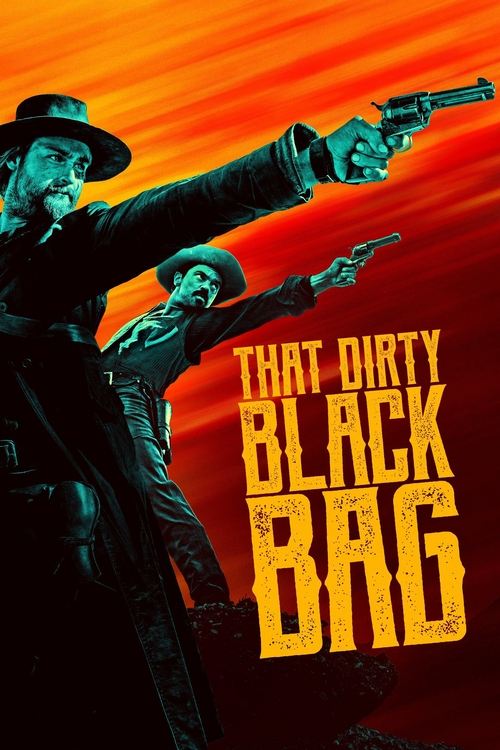
In the desolate landscape of the American West, the story begins with a mysterious figure, known as the "Black Rider," who rides into a small town. He is a bounty hunter named Arthur McCoy, portrayed as a ruthless and skilled tracker. His arrival is marked by a sense of foreboding, as he is on a mission to hunt down a notorious outlaw named Red Bill. The townsfolk are wary of him, sensing the danger he brings.
As Arthur searches for Red Bill, we are introduced to the outlaw himself, who is hiding out with his gang in a remote hideout. Red Bill, characterized by his charm and cunning, is planning a heist that could set him up for life. He is motivated by a desire for freedom and wealth, but also by a sense of loyalty to his gang. Tensions rise within the group as they discuss their next move, revealing the fractures in their relationships.
Meanwhile, Arthur's pursuit leads him to a local saloon where he interrogates patrons for information about Red Bill's whereabouts. The saloon is filled with tension as Arthur's intimidating presence causes fear among the locals. He learns that Red Bill is planning to rob a train, which sets the stage for a high-stakes confrontation. Arthur's determination to capture Red Bill is fueled by a personal vendetta, as he has a history with the outlaw that drives him to seek revenge.
As the day of the train robbery approaches, Red Bill and his gang prepare for the heist. They meticulously plan their attack, showcasing their skills and camaraderie. However, internal conflicts arise as one of the gang members, a young man named Charlie, expresses doubts about the morality of their actions. This moment of vulnerability highlights the complexities of their criminal lifestyle and foreshadows the consequences of their choices.
On the day of the robbery, the gang ambushes the train, leading to a chaotic and violent confrontation. Arthur, having anticipated their move, arrives just in time to intervene. A fierce gunfight ensues, with bullets flying and chaos erupting. Arthur's tactical prowess is on full display as he takes down several gang members, showcasing his skills as a bounty hunter. Red Bill, realizing the situation is spiraling out of control, makes a desperate decision to escape with the loot.
In the aftermath of the robbery, Arthur confronts Red Bill in a tense showdown. The two engage in a brutal fight, exchanging blows and grappling for dominance. Arthur's rage is palpable as he seeks to avenge his past grievances against Red Bill. The fight culminates in a dramatic moment where Arthur gains the upper hand, but instead of killing Red Bill, he chooses to take him alive, driven by a desire for justice rather than vengeance.
As Arthur takes Red Bill back to town, the emotional weight of their confrontation lingers. Red Bill, now a prisoner, reflects on his choices and the life he has led. Arthur, on the other hand, grapples with his own motivations and the impact of his actions. The journey back is fraught with tension, as both men are forced to confront their pasts and the paths that led them to this moment.
Upon returning to town, Arthur is met with mixed reactions from the townsfolk. Some view him as a hero for capturing the notorious outlaw, while others are wary of the violence that has unfolded. Red Bill's presence in town stirs up old rivalries and unresolved conflicts, leading to a climactic confrontation between the townspeople and the remnants of Red Bill's gang, who seek to rescue their leader.
The final act unfolds in a dramatic showdown, where loyalties are tested, and the true nature of justice is called into question. Arthur must navigate the chaos, making difficult decisions that will determine the fate of both Red Bill and the town. The emotional stakes are high as characters confront their fears, desires, and the consequences of their actions.
In the end, the story concludes with a sense of ambiguity. Arthur's journey has transformed him, but the cost of his choices weighs heavily on him. Red Bill's fate remains uncertain, leaving the audience to ponder the complexities of morality and the nature of justice in a lawless land. The final scenes encapsulate the harsh realities of the world they inhabit, setting the stage for potential future conflicts and character developments.
What is the ending?
In the ending of "That Dirty Black Bag," season 1, the story culminates in a violent confrontation between the main characters, leading to significant losses and a sense of unresolved tension. The fates of the key characters are sealed in a way that reflects their journeys throughout the season.
As the final episodes unfold, the tension escalates in the town, with the characters facing their pasts and the consequences of their actions. The protagonist, Arthur McCoy, confronts his demons and the choices he has made, leading to a tragic showdown. Meanwhile, the antagonist, the ruthless bounty hunter, also faces his own reckoning. The season concludes with a sense of ambiguity, leaving the characters' futures uncertain and the cycle of violence hinted to continue.
As the final episode begins, the sun sets over the dusty town, casting long shadows that seem to foreshadow the impending conflict. Arthur McCoy, a man burdened by his past, stands at the edge of town, his face etched with determination and regret. He knows that the time for confrontation has come, and he steels himself for what lies ahead.
In a dimly lit saloon, the atmosphere is thick with tension. The townsfolk whisper among themselves, aware that something is brewing. Arthur enters, his presence commanding yet somber. He locks eyes with the bounty hunter, a man whose reputation for ruthlessness precedes him. The air crackles with unspoken words as they size each other up, both aware that this encounter will not end without bloodshed.
The scene shifts to a dusty street where the two men finally confront each other. The sun hangs low, casting an orange hue over the scene, amplifying the stakes. Arthur's heart races as he recalls the choices that led him here, the lives he has touched, and the ones he has lost. The bounty hunter, equally resolute, draws his weapon, and the tension reaches a breaking point.
In a flurry of gunfire, the two men engage in a brutal showdown. The sound of gunshots echoes through the town, and the camera captures the chaos that ensues. Arthur, fueled by a mix of desperation and resolve, fights not just for his life but for redemption. The bounty hunter, relentless and cold, embodies the darkness that Arthur seeks to escape.
As the dust settles, the aftermath of the confrontation reveals the toll of their choices. Arthur, wounded but alive, stumbles away from the scene, his body battered but his spirit unbroken. The bounty hunter lies defeated, a grim reminder of the violence that has plagued their lives. The townsfolk emerge from their hiding places, witnessing the consequences of the clash, their faces a mix of fear and relief.
In the final moments, Arthur gazes at the horizon, the weight of his past heavy on his shoulders. He knows that while he has survived, the cycle of violence is far from over. The camera lingers on his face, capturing the complexity of his emotions--relief, sorrow, and a flicker of hope for a different future.
The season concludes with a haunting sense of ambiguity. The characters are left to grapple with their choices, and the audience is left to ponder the implications of their actions. The fate of each character hangs in the balance, suggesting that the story is far from finished, and the cycle of conflict may continue in the shadows of the town.
Is there a post-credit scene?
In "That Dirty Black Bag," Season 1, there is no post-credit scene. The series concludes its episodes without additional scenes after the credits, focusing instead on the narrative and character arcs presented throughout the episodes. The storytelling is tightly woven, emphasizing the themes of revenge, morality, and the harsh realities of the Old West, leaving viewers with a sense of closure as the story unfolds. Each episode wraps up its plotlines without extending into a post-credit sequence, maintaining the gritty tone and atmosphere established throughout the season.
What motivates the character of Red Bill throughout the season?
Red Bill is driven by a deep-seated desire for revenge and a quest for redemption. His past as a notorious outlaw haunts him, and he struggles with the consequences of his violent lifestyle. As the season progresses, his internal conflict becomes more pronounced, especially as he encounters characters that challenge his worldview and force him to confront his choices.
How does the relationship between Red Bill and the Sheriff evolve?
The relationship between Red Bill and the Sheriff is fraught with tension and animosity. Initially, the Sheriff sees Red Bill as a threat to law and order, while Red Bill views the Sheriff as a symbol of the oppressive system he despises. As the season unfolds, their encounters become increasingly personal, revealing layers of their motivations and histories, ultimately leading to a climactic confrontation.
What role does the titular 'dirty black bag' play in the story?
The 'dirty black bag' serves as a significant plot device throughout the season. It symbolizes the weight of past sins and the moral ambiguity of the characters. The bag contains items that are crucial to the characters' fates, including weapons and personal belongings that reveal their histories. Its presence often triggers flashbacks and moments of introspection, highlighting the characters' struggles with their pasts.
How does the character of the Sheriff reflect the themes of justice and morality?
The Sheriff embodies the complexities of justice and morality in a lawless land. His actions often blur the lines between right and wrong, as he grapples with the harsh realities of maintaining order in a violent world. His internal struggle is evident in his interactions with outlaws and townsfolk, as he tries to uphold the law while also understanding the motivations behind the crimes he must confront.
What is the significance of the setting in shaping the characters' journeys?
The setting of the harsh, unforgiving landscape plays a crucial role in shaping the characters' journeys. The desolate environment reflects their inner turmoil and the moral decay of the world they inhabit. The isolation of the desert amplifies their struggles, forcing them to confront their demons and make choices that will define their paths. The setting becomes a character in itself, influencing the dynamics between the characters and their decisions.
Is this family friendly?
"That Dirty Black Bag" is a gritty Western drama that contains several elements that may not be suitable for children or sensitive viewers. Here are some potentially objectionable aspects:
-
Violence: The show features graphic depictions of violence, including gunfights, physical altercations, and scenes of death that are portrayed in a stark and realistic manner.
-
Mature Themes: The narrative explores themes such as revenge, betrayal, and moral ambiguity, which may be complex and unsettling for younger audiences.
-
Language: There is the use of strong language throughout the series, which may not be appropriate for children.
-
Dark Atmosphere: The overall tone of the show is dark and brooding, with a focus on the harsh realities of life in the Old West, which may be distressing for some viewers.
-
Emotional Turmoil: Characters experience significant emotional struggles, including loss, grief, and desperation, which could be upsetting for sensitive viewers.
These elements contribute to a mature viewing experience, making it less suitable for a family-friendly audience.









