
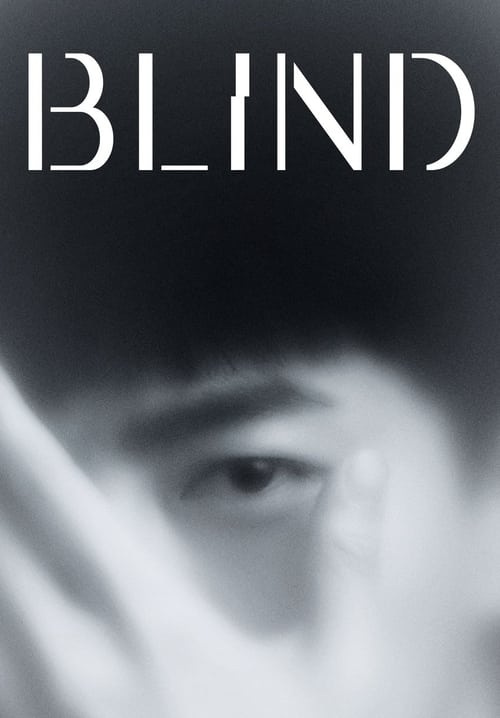
















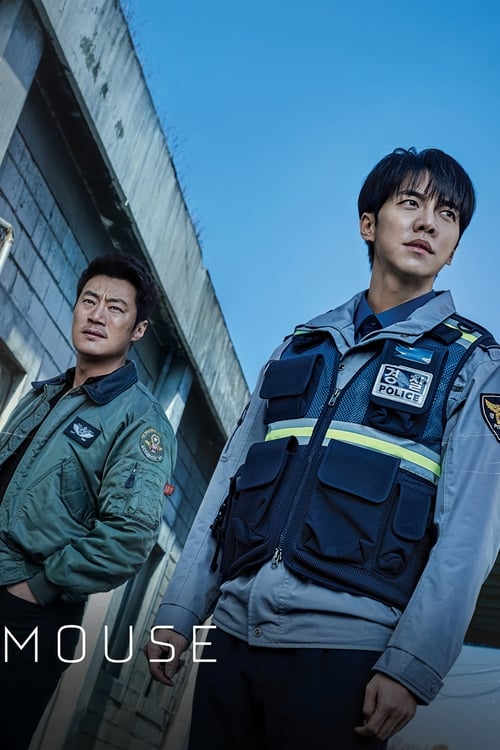
Popular
How does the relationship between the protagonist and their best friend evolve throughout the series?
What motivates the main character, who is blind, to pursue their goals despite their disability?
What challenges does the protagonist face in their daily life that highlight their resilience?
How does the antagonist's actions impact the protagonist's journey?
What role does the setting play in shaping the protagonist's experiences and interactions?
Should I watch it?
Ask Your Own Question

What is the plot?
In the opening scene of "Blind," we are introduced to the protagonist, a blind woman named Mia, who navigates her daily life with the help of her guide dog, Max. The audience sees her struggle with her disability but also her determination to maintain independence. Mia works as a writer, and her passion for storytelling is evident as she types away on her laptop, creating vivid narratives that reflect her inner world.
As the story progresses, Mia receives an unexpected phone call from her estranged brother, Ethan, who she hasn't spoken to in years. He reveals that their father has passed away and urges her to come to the funeral. Mia is conflicted; she feels a mix of grief and resentment towards her family. After some internal deliberation, she decides to attend, hoping to find closure.
At the funeral, tensions run high as Mia confronts her family, particularly her mother, who has always been overprotective. The atmosphere is charged with unspoken words and unresolved issues. During the service, Mia overhears a conversation that hints at family secrets, particularly regarding her father's past. This revelation piques her curiosity and sets her on a path to uncover the truth.
Following the funeral, Mia returns home but is haunted by the secrets she suspects are buried within her family. She begins to investigate her father's life, reaching out to old family friends and acquaintances. Each conversation reveals more about her father's hidden struggles and the complexities of their family dynamics. Mia's determination to uncover the truth grows, fueled by a mix of anger and a desire for understanding.
As Mia delves deeper, she discovers a series of letters hidden in her father's belongings. These letters contain confessions and regrets that paint a different picture of the man she thought she knew. The emotional weight of these discoveries begins to take a toll on Mia, leading her to question her own identity and the legacy of her family.
In a pivotal moment, Mia confronts her mother about the letters. The confrontation is intense, filled with raw emotion as Mia demands answers. Her mother, initially defensive, eventually breaks down and reveals the truth about their family's past, including her father's struggles with addiction and the impact it had on their lives. This revelation brings a mix of relief and sorrow to Mia, as she grapples with the complexity of forgiveness.
As the story unfolds, Mia's relationship with Ethan also evolves. They begin to bond over their shared grief and the revelations about their father. However, their relationship is tested when Ethan reveals that he has been keeping secrets of his own, including his struggles with mental health. This revelation creates a rift between them, forcing Mia to confront her feelings of betrayal and the need for honesty in their relationship.
In the climax of the story, Mia faces a critical decision when she learns that her father's past is more intertwined with her present than she realized. A confrontation with a family friend reveals that her father had made choices that directly affected Mia's life, including decisions that led to her blindness. This shocking revelation forces Mia to reevaluate her understanding of her father's love and the sacrifices he made.
The final act sees Mia coming to terms with her family's history. She decides to write a book about her experiences, using her father's letters and her own journey as a narrative thread. This decision symbolizes her acceptance of her past and her desire to reclaim her story. The series concludes with Mia standing at a crossroads, ready to embrace her future with a newfound sense of clarity and strength, having transformed her pain into a powerful narrative of resilience.







What is the ending?
In the ending of "Blind," the main character, a blind man named Jin-seok, confronts the truth about his past and the events that led to the tragic death of his girlfriend, leading to a climactic resolution that brings closure to his emotional turmoil. The story concludes with Jin-seok finding a sense of peace and acceptance, while the antagonist faces justice for their actions.
As the final episodes unfold, we see Jin-seok grappling with the memories of his girlfriend, who died under mysterious circumstances. The tension builds as he uncovers the layers of deception surrounding her death. In a pivotal scene, Jin-seok confronts the antagonist, revealing the truth about the events that transpired. This confrontation is charged with emotion, as Jin-seok's pain and anger surface, but it also serves as a moment of catharsis for him.
In the climax, Jin-seok's determination to seek justice culminates in a confrontation that is both physical and emotional. The antagonist, who has been manipulating events from the shadows, is finally brought to light. The scene is intense, filled with a sense of urgency as Jin-seok fights not just for justice, but for his own healing. The resolution of this conflict leads to the antagonist being apprehended, symbolizing a victory for Jin-seok and a step towards closure.
In the aftermath, we see Jin-seok in a quieter moment, reflecting on his journey. He visits the place where he and his girlfriend shared happy memories, allowing himself to grieve and remember her without the weight of guilt. This scene is poignant, showcasing his growth and acceptance of the past. The series ends with Jin-seok walking away from the site, a sense of peace enveloping him as he embraces the future, ready to move on.
The fate of the main characters is as follows: Jin-seok finds a semblance of peace and closure, having confronted his past and the truth about his girlfriend's death. The antagonist faces justice, their manipulations exposed, which serves as a form of retribution for the pain caused. Other supporting characters, who have been part of Jin-seok's journey, also find their paths leading towards healing and resolution, reinforcing the themes of redemption and the importance of confronting one's past.
Is there a post-credit scene?
In the 2022 TV show "Blind," there is indeed a post-credit scene that adds an intriguing layer to the narrative.
As the credits roll, the screen fades to black before transitioning to a dimly lit room. The atmosphere is tense, filled with an unsettling silence. A figure is seen sitting in the shadows, their face obscured. The camera slowly zooms in, revealing a pair of eyes that glint with a mix of determination and malice.
The figure begins to speak, their voice low and gravelly, hinting at a deep-seated vendetta. They mention a name that resonates with the main characters, suggesting a connection to the events of the series. The scene cuts to quick flashes of previous moments from the show, highlighting key emotional confrontations and pivotal decisions made by the protagonists.
As the figure continues to speak, it becomes clear that they are orchestrating a plan that could threaten the fragile peace established by the main characters. The scene ends with a chilling smile from the figure, leaving viewers with a sense of foreboding and anticipation for potential conflicts in a future season.
This post-credit scene effectively sets the stage for new challenges, emphasizing themes of revenge and the consequences of past actions, while also deepening the mystery surrounding the character's motivations.
How does the relationship between the protagonist and their best friend evolve throughout the series?
The relationship between the protagonist and their best friend is initially supportive, with the friend acting as a guide and protector. However, as the series progresses, tensions arise due to the protagonist's growing desire for autonomy and the friend's struggle to let go of their protective instincts. This evolution is marked by emotional confrontations and moments of vulnerability, ultimately leading to a deeper understanding and respect for each other's boundaries.
What motivates the main character, who is blind, to pursue their goals despite their disability?
The main character, who is blind, is driven by a deep desire for independence and self-fulfillment. Their journey is fueled by a determination to prove that their disability does not define them. They face societal prejudices and personal challenges, but their internal motivation stems from a longing to be seen as capable and to carve out a meaningful life.
What challenges does the protagonist face in their daily life that highlight their resilience?
The protagonist faces numerous challenges, such as navigating public spaces, dealing with misunderstandings from others, and managing daily tasks that require adaptation. These challenges are depicted through intense scenes where the protagonist must rely on their other senses and problem-solving skills. Each obstacle they overcome showcases their resilience and determination to live life on their own terms.
How does the antagonist's actions impact the protagonist's journey?
The antagonist's actions create significant obstacles for the protagonist, often manifesting as manipulative schemes that exploit the protagonist's vulnerabilities. These conflicts escalate the tension in the narrative, forcing the protagonist to confront their fears and insecurities. The antagonist serves as a catalyst for the protagonist's growth, pushing them to develop strength and resourcefulness in the face of adversity.
What role does the setting play in shaping the protagonist's experiences and interactions?
The setting plays a crucial role in shaping the protagonist's experiences, as it is often depicted as both a familiar and challenging environment. Urban landscapes, crowded public spaces, and intimate home settings are portrayed with rich sensory details that highlight the protagonist's unique perspective. The contrast between these settings emphasizes the protagonist's adaptability and the varying degrees of support or hostility they encounter, ultimately influencing their interactions with others.
Is this family friendly?
"Blind," produced in 2022, contains several elements that may not be suitable for children or sensitive viewers. Here are some potentially objectionable aspects:
-
Violence: The show includes scenes of physical altercations and confrontations that may be intense or distressing.
-
Emotional Turmoil: Characters experience significant emotional struggles, including themes of loss, betrayal, and trauma, which could be upsetting for younger audiences.
-
Mature Themes: The narrative explores complex adult relationships, including infidelity and moral dilemmas, which may not be appropriate for children.
-
Language: There are instances of strong language that could be considered inappropriate for younger viewers.
-
Psychological Tension: The show builds suspense and tension that may be unsettling, particularly for those sensitive to psychological drama.
These elements contribute to a more mature viewing experience, making it less suitable for a family-friendly audience.







