
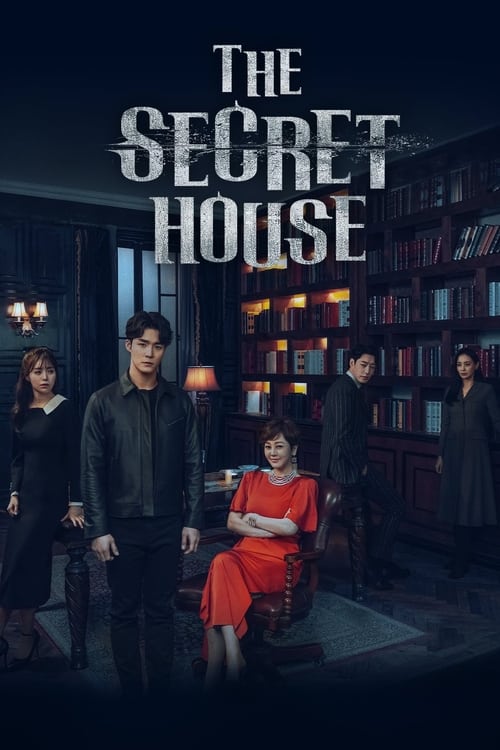













Popular
What role does the character of Ethan play in Mia's journey?
What is the significance of the hidden room in The Secret House?
How does Mia's relationship with her mother evolve throughout the series?
What are the consequences of the family's decision to keep the house a secret?
How does the atmosphere of the house influence the characters' actions?
Should I watch it?
Ask Your Own Question

What is the plot?
In the opening scene of "The Secret House," we are introduced to the protagonist, a young woman named Mia, who is struggling with the recent loss of her mother. Mia is seen going through her mother's belongings in their old family home, where she discovers a hidden compartment in a bookshelf. Inside, she finds a mysterious key and a cryptic note that hints at a secret house her mother had once visited. Intrigued and seeking closure, Mia decides to investigate further.
Mia's journey leads her to a quaint, secluded village where the secret house is rumored to be located. As she arrives, she meets a local historian named Oliver, who is knowledgeable about the area's folklore. He becomes her ally, sharing stories about the house and its previous occupants, including a tragic love story that ended in betrayal. Mia feels a connection to the tale, sensing that it might be linked to her own family's past.
Determined to find the secret house, Mia and Oliver embark on a quest through the village, asking locals about the house's whereabouts. They encounter resistance from some villagers who seem wary of discussing the house, hinting at a dark history. Despite the warnings, Mia's resolve strengthens, fueled by her desire to uncover the truth about her mother's past.
After several days of searching, Mia and Oliver finally locate the secret house, hidden deep within a forest. The house is dilapidated but exudes an eerie charm. As they explore the interior, Mia feels a strong emotional pull, as if the house is alive with memories. They discover old photographs and letters that reveal her mother's connection to the house and the tragic events that transpired there.
While investigating, Mia finds a journal belonging to her mother, detailing her experiences in the house and her relationship with a man named Thomas, who was involved in the betrayal mentioned in the folklore. The journal reveals that her mother had been in love with Thomas, but their relationship was torn apart by jealousy and deceit. This revelation deepens Mia's emotional turmoil as she grapples with her mother's hidden life.
As Mia delves deeper into the mystery, she begins to experience strange occurrences in the house--whispers, fleeting shadows, and visions of her mother. These supernatural elements heighten her emotional state, leading her to question her own sanity. Oliver, concerned for her well-being, urges her to leave the house, but Mia feels compelled to stay and uncover the truth.
One night, during a particularly intense storm, Mia has a vivid dream in which she confronts her mother's spirit. In the dream, her mother reveals the truth about the betrayal that led to her heartbreak and the reasons she kept the secret house hidden. Mia wakes up shaken but with a newfound determination to confront the past.
The following day, Mia and Oliver discover a hidden cellar beneath the house. Inside, they find remnants of a ritual that was performed to bind the spirits of those who suffered in the house. As they piece together the history, they realize that the betrayal involved not only her mother and Thomas but also a close friend who had turned against them. This friend's actions had tragic consequences, leading to a series of events that cursed the house.
Mia decides to perform a counter-ritual to free the spirits trapped in the house, believing it will also help her mother find peace. With Oliver's help, they gather the necessary items and prepare for the ritual. As they begin, the atmosphere in the house shifts dramatically; they are confronted by the angry spirits of those wronged in the past.
During the ritual, Mia experiences a powerful vision of the betrayal, witnessing the events unfold as if she were there. The emotional weight of the scene overwhelms her, and she feels her mother's pain and regret. In a moment of clarity, Mia realizes that forgiveness is key to breaking the cycle of anger and sorrow.
As the ritual reaches its climax, Mia calls out for her mother, expressing her love and desire for her to be free. The spirits begin to calm, and a bright light envelops the room. Mia feels a sense of release, and the oppressive atmosphere of the house lifts. The spirits, including her mother's, are finally at peace.
In the aftermath, Mia and Oliver emerge from the house, forever changed by their experiences. Mia has gained a deeper understanding of her mother and the complexities of love and betrayal. As they leave the village, Mia feels a sense of closure, ready to embrace her future while honoring her mother's memory. The final scene shows Mia standing at the edge of the forest, looking back at the now peaceful house, a bittersweet smile on her face as she walks away.







What is the ending?
In the ending of "The Secret House," the main characters confront the truth about their intertwined fates. The protagonist, Mia, discovers the hidden secrets of her family's past, leading to a climactic confrontation with her estranged father. The resolution brings closure to their fractured relationship, and Mia ultimately decides to embrace her identity and the legacy of her family. The series concludes with Mia standing in front of the house, symbolizing her acceptance of her past and her determination to forge her own future.
As the final episode unfolds, the scene opens in the dimly lit living room of the secret house, where Mia stands alone, her heart racing as she clutches a letter she found hidden in a drawer. The letter reveals the truth about her mother's mysterious disappearance years ago, a secret that has haunted Mia since childhood. The air is thick with tension as she processes the weight of the revelation, her emotions a tumultuous mix of anger, sadness, and determination.
Cut to a flashback of Mia's childhood, where she recalls moments with her mother, filled with laughter and warmth, juxtaposed against the stark reality of her absence. This memory fuels Mia's resolve to confront her father, David, who has been a distant figure in her life, shrouded in secrets and guilt. The camera captures Mia's determination as she wipes away a tear, her expression hardening with purpose.
The scene shifts to the kitchen, where David is preparing a meal, unaware of the storm brewing within Mia. As she enters, the atmosphere is charged with unspoken words. Mia confronts David, her voice trembling yet fierce, demanding answers about her mother. David's face pales, and the tension escalates as he struggles to find the right words. The emotional weight of their conversation is palpable, with Mia's anger clashing against David's guilt and regret.
In a pivotal moment, David reveals the truth about her mother's involvement in a dangerous secret society, explaining how it led to her disappearance. The revelation shatters Mia's perception of her mother, leaving her grappling with feelings of betrayal and confusion. The camera lingers on Mia's face, capturing the raw pain and the flicker of understanding as she processes the complexity of her mother's choices.
As the confrontation reaches its peak, Mia's emotions boil over, and she storms out of the house, her heart racing as she steps into the cool night air. The moonlight casts a silver glow on her face, illuminating her resolve. She walks through the garden, reflecting on her family's legacy and the burden of their secrets. The scene is quiet, save for the rustling leaves, mirroring Mia's internal struggle.
In the final act, Mia returns to the house, this time with a sense of purpose. She finds David sitting on the porch, his face etched with sorrow. They share a moment of silence, the weight of their shared history hanging between them. Mia takes a deep breath, her voice steady as she tells David that she wants to understand their family's past, not to dwell in it, but to learn from it. David nods, tears in his eyes, acknowledging the first step towards healing.
The series concludes with Mia standing in front of the house, the dawn breaking behind her, symbolizing a new beginning. She looks back at David, who stands in the doorway, a tentative smile on his face. The camera pulls back, capturing the house in its entirety, a symbol of their shared history and the possibility of a brighter future. Mia's journey of self-discovery and reconciliation comes full circle, leaving viewers with a sense of hope and the understanding that while the past shapes us, it does not define us.
Is there a post-credit scene?
In "The Secret House," there is indeed a post-credit scene that adds an intriguing layer to the narrative. After the credits roll, the screen fades back in to reveal a dimly lit room filled with old, dusty books and artifacts. The camera pans slowly across the shelves, revealing a collection of mysterious objects that hint at the deeper secrets of the house.
In the center of the room, a figure is seen flipping through an ancient tome, their face obscured by shadows. As they turn a page, a faint glow emanates from the book, illuminating their features just enough to reveal a look of intense concentration mixed with a hint of excitement. The figure mutters an incantation under their breath, and the air around them begins to shimmer, suggesting that they are tapping into the house's hidden powers.
Suddenly, the camera zooms in on a specific passage in the book that describes a long-lost artifact believed to be hidden within the house. The scene ends with the figure looking up, a determined expression on their face, as they whisper, "It's time to find it." This moment sets the stage for potential future conflicts and discoveries, leaving viewers with a sense of anticipation and curiosity about what lies ahead in the story.
What role does the character of Ethan play in Mia's journey?
Ethan, Mia's childhood friend, plays a crucial role in her journey of self-discovery. Initially, he is portrayed as a supportive figure who encourages Mia to explore the mysteries of the house. However, as the plot unfolds, Ethan's own secrets come to light, complicating their friendship. His internal struggle with loyalty and his feelings for Mia adds depth to the narrative, as he grapples with the consequences of revealing the truth about the house and its impact on their lives.
What is the significance of the hidden room in The Secret House?
The hidden room in The Secret House serves as a pivotal plot device that reveals the family's dark secrets and the history of the house itself. It is discovered by the protagonist, Mia, who feels an inexplicable pull towards it. Inside, she finds old photographs and letters that connect her family to a tragic event that occurred decades ago, leading her to question her own identity and the truth about her family's past.
How does Mia's relationship with her mother evolve throughout the series?
Mia's relationship with her mother, Clara, is strained at the beginning of the series due to Clara's overprotectiveness and Mia's desire for independence. As Mia uncovers the secrets of the house, she confronts her mother about their family's history, leading to emotional confrontations. Clara's initial resistance gives way to vulnerability as she reveals her own fears and regrets, ultimately allowing them to rebuild their bond through understanding and shared grief.
What are the consequences of the family's decision to keep the house a secret?
The family's decision to keep the house's secrets leads to a series of escalating tensions and conflicts. As Mia delves deeper into the house's history, she uncovers not only personal family secrets but also a legacy of betrayal and loss that has haunted them for generations. This decision creates a rift between family members, as some want to confront the past while others wish to bury it, ultimately leading to a climactic confrontation that forces them to face the truth.
How does the atmosphere of the house influence the characters' actions?
The atmosphere of The Secret House is charged with a sense of foreboding and mystery, which significantly influences the characters' actions. The creaking floors, dimly lit rooms, and the pervasive feeling of being watched create an unsettling environment that heightens Mia's anxiety and curiosity. This atmosphere acts as a catalyst for her exploration, pushing her to confront not only the physical secrets of the house but also the emotional barriers within her family, ultimately driving the narrative forward.
Is this family friendly?
"The Secret House," produced in 2022, contains several elements that may not be suitable for children or sensitive viewers. While the show primarily focuses on family dynamics and mystery, it does include some potentially objectionable aspects:
-
Emotional Turmoil: Characters often experience intense emotional struggles, including grief, betrayal, and conflict, which may be distressing for younger viewers.
-
Mild Violence: There are scenes that depict confrontations and physical altercations, which, while not graphic, may be unsettling.
-
Themes of Deception: The plot revolves around secrets and lies within the family, which could be confusing or upsetting for children who may not fully grasp the complexities of such themes.
-
Parental Conflict: There are moments of tension and arguments between adult characters that could create an uncomfortable atmosphere.
-
Mystery and Suspense: The show includes suspenseful moments that may be frightening for younger audiences, particularly scenes involving dark settings or unexpected twists.
Overall, while "The Secret House" has engaging storytelling, its emotional depth and some thematic elements may require parental guidance for younger viewers.









