


Popular
Who is Manti Te'o and what role does he play in the story?
What is the significance of Lennay Kekua in Manti Te'o's life?
How did Manti Te'o first meet Lennay Kekua, and what was their relationship like?
What were the events leading up to the revelation that Lennay Kekua was not real?
Who was behind the creation of the Lennay Kekua persona, and what were their motivations?
Should I watch it?
Ask Your Own Question

What is the plot?
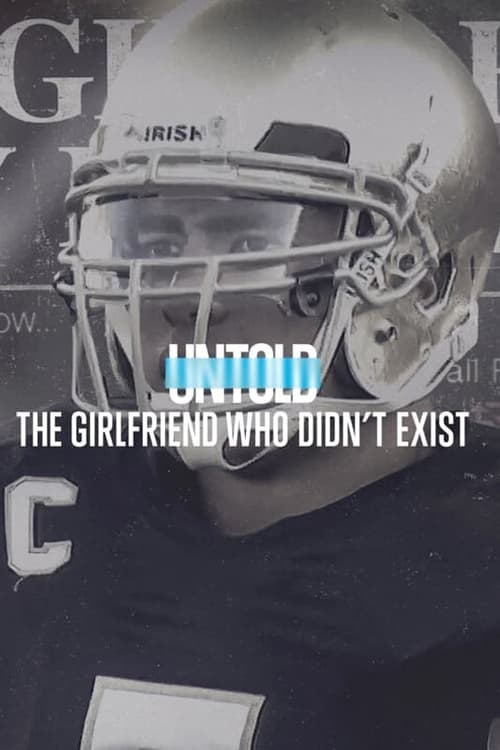
The documentary "Untold: The Girlfriend Who Didn't Exist" begins by introducing Manti Te'o, a star linebacker for the Notre Dame Fighting Irish football team. The narrative unfolds with Manti's rise to fame, showcasing his exceptional talent on the field and his deep connection to his family, particularly his late grandmother, who played a significant role in his life. Manti's emotional state is highlighted as he grapples with the loss of his grandmother, which coincides with the emergence of a romantic relationship that he believes he has developed online.
As the story progresses, Manti recounts how he met a woman named Lennay Kekua through social media. Their relationship blossoms over time, with Manti sharing intimate details about their conversations and the emotional support they provide each other. The documentary emphasizes Manti's vulnerability and longing for connection, especially after the death of his grandmother. The audience sees Manti's deepening feelings for Lennay, despite never having met her in person.
The plot thickens when Manti learns that Lennay has been diagnosed with leukemia. This news devastates him, and he becomes increasingly dedicated to supporting her through her illness. The documentary captures Manti's emotional turmoil as he balances his football commitments with his desire to be there for Lennay. He shares his struggles with teammates and family, who express concern about the relationship but ultimately support him.
As the football season progresses, Manti's performance on the field is stellar, and he becomes a Heisman Trophy finalist. However, the pressure mounts as he continues to navigate the complexities of his relationship with Lennay. The documentary reveals how Manti's commitment to Lennay becomes a focal point of his identity, intertwining his personal life with his public persona as a football star.
The turning point occurs when Manti receives a call from Lennay's brother, who informs him that she has passed away. The emotional weight of this moment is palpable, as Manti is seen grappling with grief and loss. He dedicates his final game of the season to her memory, and the media coverage surrounding his performance amplifies the narrative of a heartbroken athlete.
In the aftermath of Lennay's death, Manti's story gains national attention, and he becomes a symbol of love and loss. However, the documentary takes a dramatic turn when investigative journalists begin to uncover inconsistencies in Lennay's identity. The audience learns that Lennay Kekua is not who she claimed to be, and the investigation reveals that she was actually a fictional character created by Ronaiah Tuiasosopo, a man who had been posing as Lennay online.
The documentary delves into Ronaiah's motivations and the elaborate deception he orchestrated. It explores his background, including his struggles with identity and the reasons behind his decision to create a false persona. The emotional impact of the revelation on Manti is profound, as he grapples with feelings of betrayal and confusion. The documentary captures his internal conflict as he processes the truth about the relationship he believed was real.
As the story unfolds, Manti faces the media scrutiny that follows the revelation. The documentary highlights the public's reaction, including skepticism and criticism directed at Manti for being deceived. Manti's emotional state is depicted as he navigates the fallout, struggling with his sense of self and the implications of the hoax on his career and personal life.
The climax of the documentary occurs when Manti and Ronaiah finally meet in a controlled setting, where they confront each other about the deception. The emotional intensity of this encounter is palpable, as both individuals express their feelings about the situation. Manti seeks closure, while Ronaiah reveals his own struggles and motivations behind the hoax.
In the final scenes, the documentary reflects on the aftermath of the scandal, showcasing Manti's journey to rebuild his life and career. It captures his resilience as he continues to pursue his passion for football, despite the challenges he faces. The emotional weight of the story lingers, leaving the audience with a sense of the complexities of love, trust, and the impact of deception in the digital age.
More TV Shows Like This
Browse All TV Shows →







What is the ending?
In the ending of "Untold: The Girlfriend Who Didn't Exist," Manti Te'o confronts the fallout from the catfishing scandal that engulfed his life. He reflects on the emotional turmoil he experienced and the impact it had on his career and personal life. Ronaiah Tuiasosopo, the perpetrator behind the hoax, shares his own struggles and the reasons behind his actions. The documentary concludes with both Manti and Ronaiah seeking closure and understanding, highlighting the complexities of their experiences.
As the final scenes unfold, the narrative shifts to Manti Te'o, who is now a more mature individual grappling with the consequences of the catfishing incident. He sits in a reflective state, discussing how the scandal affected his mental health and public image. The weight of the deception lingers in his mind, and he expresses a sense of betrayal and confusion over the relationship he thought he had with Lennay Kekua, the fictional girlfriend.
The scene transitions to Ronaiah Tuiasosopo, who is shown in a more vulnerable light. He opens up about his motivations for creating the false identity of Lennay. Ronaiah reveals his own struggles with identity and acceptance, explaining that he was seeking connection and validation. This moment of honesty allows viewers to see the human side of the person who orchestrated the deception, providing context for his actions.
As the documentary progresses, Manti reflects on his journey, acknowledging the lessons learned from the experience. He discusses how he has moved forward in his life, focusing on his career and personal growth. The emotional weight of the past still lingers, but there is a sense of resilience in his voice. He emphasizes the importance of authenticity and the need to be true to oneself, a lesson he has taken to heart.
The final moments of the documentary juxtapose Manti's reflections with Ronaiah's own journey toward redemption. Ronaiah expresses remorse for the pain he caused Manti and others, indicating a desire to make amends. The two men, though they have experienced vastly different paths, find a common ground in their shared pain and the lessons learned from their intertwined stories.
The documentary concludes with a sense of closure for both Manti and Ronaiah. Manti is shown continuing his life, now more aware of the complexities of relationships and the importance of trust. Ronaiah, on the other hand, is depicted as someone who is still seeking forgiveness and understanding, hinting at a long road ahead for him in reconciling his past actions.
In the end, "Untold: The Girlfriend Who Didn't Exist" leaves viewers with a poignant reminder of the fragility of human connections and the profound impact of deception, while also highlighting the potential for growth and healing in the aftermath of trauma.
Is there a post-credit scene?
"Untold: The Girlfriend Who Didn't Exist" does not feature a post-credit scene. The documentary concludes with a powerful reflection on the events surrounding Manti Te'o and the impact of the catfishing scandal on his life and career. The final moments emphasize the emotional toll and the lessons learned, leaving viewers with a sense of closure regarding the story without any additional scenes or content after the credits.
Who is Manti Te'o and what role does he play in the story?
Manti Te'o is a star linebacker for the Notre Dame Fighting Irish football team, whose life becomes the center of a scandal involving a fictitious girlfriend named Lennay Kekua. The documentary explores his rise in college football, his deep emotional investment in the relationship with Lennay, and the subsequent fallout when the truth about her non-existence is revealed.
What is the significance of Lennay Kekua in Manti Te'o's life?
Lennay Kekua is portrayed as Manti Te'o's girlfriend, who he believes is battling leukemia. She represents a source of emotional support for him during his college football career, and her supposed struggles resonate deeply with him, influencing his performance and public persona. The emotional connection he feels towards her is a driving force in the narrative.
How did Manti Te'o first meet Lennay Kekua, and what was their relationship like?
Manti Te'o first met Lennay Kekua online through social media, where they developed a relationship that was largely based on phone calls and text messages. Their relationship is depicted as deeply romantic and supportive, with Manti expressing his love for her and feeling a strong emotional bond, despite never having met her in person.
What were the events leading up to the revelation that Lennay Kekua was not real?
The events leading up to the revelation include Manti Te'o's public declarations of love for Lennay, her supposed death from leukemia, and the subsequent media coverage. The turning point occurs when investigative journalists begin to question the authenticity of Lennay's existence, leading to a series of revelations that ultimately expose the hoax.
Who was behind the creation of the Lennay Kekua persona, and what were their motivations?
The Lennay Kekua persona was created by Ronaiah Tuiasosopo, who had a complex motivation rooted in personal issues and a desire for attention. The documentary delves into Tuiasosopo's background, exploring how he crafted the elaborate deception and the emotional turmoil he experienced while maintaining the facade, ultimately leading to the impact on Manti Te'o's life.
Is this family friendly?
"Untold: The Girlfriend Who Didn't Exist" is a documentary that explores the complex and emotional story of Manti Te'o and the catfishing incident involving his girlfriend, Lennay Kekua. While the documentary is not explicitly graphic, there are several aspects that may be considered objectionable or upsetting for children or sensitive viewers:
-
Themes of Deception: The documentary delves into the emotional turmoil caused by deception and betrayal, which may be difficult for younger viewers to understand.
-
Mental Health Struggles: There are discussions surrounding the emotional impact of the catfishing on Manti Te'o, including feelings of confusion, heartbreak, and public humiliation.
-
Public Scrutiny: The documentary highlights the intense media scrutiny and public backlash that Manti faced, which may be distressing for viewers who are sensitive to themes of bullying or public shaming.
-
Loss and Grief: The narrative touches on themes of loss, as Manti grapples with the emotional fallout of the relationship that was built on lies.
-
Personal Vulnerability: Manti's vulnerability and the exploration of his emotional state may evoke feelings of empathy or discomfort, particularly for those who have experienced similar situations.
Overall, while the documentary is not overtly graphic, its exploration of complex emotional themes and personal struggles may not be suitable for younger audiences or those who are particularly sensitive to such topics.