






















Popular
What motivates Scar to betray Mufasa and take over the Pride Lands?
How does Simba's relationship with Nala evolve throughout the film?
What role does Rafiki play in Simba's journey of self-discovery?
What is the significance of Mufasa's ghost in Simba's transformation?
How does the death of Mufasa impact Simba's character development?
Should I watch it?
Ask Your Own Question

What is the plot?
Sorry, we aren't able to watch and write up a full detailed plot yet. Check back in a few days.
More Movies Like This
Browse All Movies →




What is the ending?
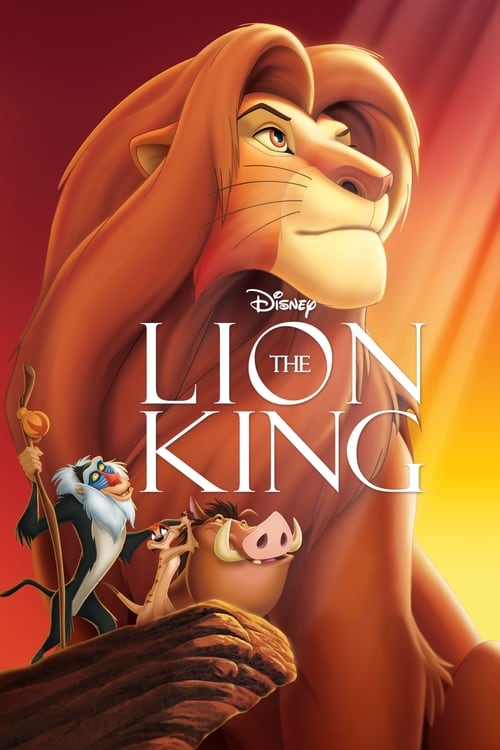
In the ending of The Lion King, Simba confronts Scar, learns the truth about his father's death, and ultimately defeats Scar. After reclaiming his rightful place as king, Simba restores the Pride Lands, and the circle of life continues with the birth of his own cub.
As the climax of the story unfolds, the scene begins with Simba returning to the Pride Lands after a long absence. The once-thriving kingdom is now a shadow of its former self, suffering under Scar's tyrannical rule. Simba, filled with a mix of fear and determination, approaches Pride Rock, where he is met with the sight of his childhood home, now dark and desolate.
In a pivotal moment, Simba encounters Nala, who has come to find him. Their reunion is filled with emotion, as Nala expresses her despair over the state of the Pride Lands and urges Simba to return and take his place as king. Simba is initially reluctant, haunted by the guilt of believing he was responsible for his father's death. However, Nala's unwavering support and the encouragement from Rafiki, the wise mandrill, help him realize that he must confront his past.
Simba's journey leads him to the confrontation with Scar. In a tense and dramatic scene, Scar reveals the truth about Mufasa's death, admitting that he was the one who killed him. This revelation ignites a fierce anger within Simba, who finally understands that he is not to blame for his father's demise. The emotional weight of this moment is palpable as Simba grapples with his feelings of betrayal and loss.
The ensuing battle between Simba and Scar is intense. Scar, desperate to maintain his power, attempts to manipulate Simba, but the young lion stands firm. The fight culminates on the edge of Pride Rock, where Simba ultimately gains the upper hand. In a moment of poetic justice, he forces Scar to confess his treachery to the other lions, exposing him as the true villain. Scar's downfall is swift; he is defeated and ultimately meets his end at the hands of the hyenas, who turn on him after realizing he betrayed them.
With Scar defeated, Simba ascends Pride Rock, reclaiming his rightful place as king. The scene is filled with triumphant music and the joyous roars of the animals who have gathered to witness the return of their true leader. Simba stands proudly, embodying the qualities of a just and compassionate ruler, ready to lead his kingdom into a new era.
The final moments of the film depict the restoration of the Pride Lands, as life begins to flourish once more. The once barren landscape is revitalized, symbolizing hope and renewal. In a touching conclusion, Simba and Nala present their newborn cub to the kingdom, signifying the continuation of the circle of life. The film closes with a powerful image of the sun rising over the Pride Lands, reinforcing the themes of legacy, redemption, and the enduring cycle of life.
In summary, the fates of the main characters are as follows: Simba embraces his role as king, Nala stands by his side as queen, Scar meets his demise, and the Pride Lands begin to heal under Simba's leadership. The story concludes with a sense of hope and continuity, as the next generation is welcomed into the world.
Is there a post-credit scene?
The Lion King, produced in 1994, does not have a post-credit scene. The film concludes with a powerful and emotional finale as Simba ascends Pride Rock, takes his place as king, and the circle of life is symbolically represented with the presentation of his newborn cub to the animals of the Pride Lands. The credits roll after this climactic moment, and there are no additional scenes or content following the credits. The focus remains on the themes of legacy, responsibility, and the continuation of life, encapsulated in the film's final moments.
What motivates Scar to betray Mufasa and take over the Pride Lands?
Scar is driven by jealousy and a deep-seated desire for power. He feels overshadowed by his brother Mufasa, who is the rightful king, and resents being second in line. Scar's ambition is ignited when he learns that Mufasa's son, Simba, is born, further diminishing his chances of ruling. This jealousy culminates in his plot to kill Mufasa and Simba, believing that by eliminating them, he can finally claim the throne for himself.
How does Simba's relationship with Nala evolve throughout the film?
Simba and Nala's relationship begins in childhood, where they share a playful bond as friends exploring the Pride Lands together. After Simba's exile, they are separated for years. When they reunite as young adults, Nala is initially shocked to find Simba alive, but her feelings quickly shift to concern for his well-being. As they reconnect, their friendship deepens into a romantic relationship, with Nala encouraging Simba to embrace his responsibilities and return to reclaim his rightful place as king.
What role does Rafiki play in Simba's journey of self-discovery?
Rafiki serves as a wise and mystical figure who guides Simba on his path to self-discovery. After Simba is lost and unsure of his identity, Rafiki helps him remember his past and the importance of his heritage. He uses cryptic wisdom and a spiritual connection to Mufasa to inspire Simba to confront his fears and accept his role as king. Rafiki's playful yet profound nature provides comic relief while also emphasizing the themes of growth and acceptance.
What is the significance of Mufasa's ghost in Simba's transformation?
Mufasa's ghost appears to Simba during a pivotal moment of despair, reminding him of his true identity and responsibilities. This encounter is emotionally charged, as Mufasa's presence instills a sense of hope and courage in Simba. Mufasa's words, 'Remember who you are,' resonate deeply, prompting Simba to confront his past and reclaim his place in the Circle of Life. This moment marks a turning point in Simba's character arc, transforming him from a reluctant exile into a determined leader.
How does the death of Mufasa impact Simba's character development?
Mufasa's death is a traumatic event that profoundly impacts Simba's character development. Initially, Simba feels immense guilt and shame, believing he is responsible for his father's death. This trauma leads him to flee the Pride Lands and adopt a carefree lifestyle in exile. However, as he matures and confronts his past, the loss of Mufasa becomes a catalyst for Simba's growth. It drives him to seek redemption, embrace his identity, and ultimately return to challenge Scar, fulfilling his destiny as king.
Is this family friendly?
The Lion King (1994) is generally considered family-friendly, but it does contain some scenes that may be upsetting or objectionable for young children or sensitive viewers. Here are a few aspects to be aware of:
-
Death of Mufasa: One of the most pivotal and emotional scenes involves the death of Simba's father, Mufasa. This scene is intense, featuring a stampede and the betrayal by Scar, which can be distressing for younger viewers.
-
Scar's Villainy: Scar's character is menacing and manipulative. His actions and dialogue can be frightening, especially when he plots against Simba and Mufasa.
-
Themes of Betrayal and Loss: The film explores heavy themes such as betrayal, loss, and the struggle for power, which may be difficult for some children to fully understand or process.
-
Simba's Guilt and Isolation: After Mufasa's death, Simba experiences feelings of guilt and shame, leading to his isolation. His emotional turmoil may resonate deeply and could be upsetting for sensitive viewers.
-
Hyenas: The hyenas are portrayed as menacing and chaotic, which may be frightening for some children. Their behavior and the way they interact with Scar can be intense.
-
Dark Scenes: Certain scenes, particularly those involving Scar and the hyenas, are darker in tone and may evoke feelings of fear or anxiety.
While these elements contribute to the film's dramatic narrative and character development, they may require parental guidance for younger audiences.








