
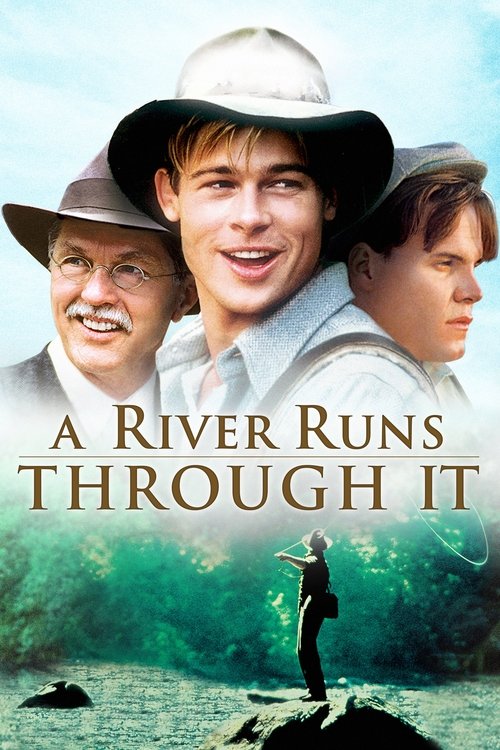


















Popular
What is the significance of the river in the story?
How does Norman's relationship with his father influence his life choices?
What role does Paul play in the family dynamics?
How does the film depict the relationship between Norman and Paul?
What is the significance of the fishing scenes in the film?
Should I watch it?
Ask Your Own Question

What is the plot?
Sorry, we aren't able to watch and write up a full detailed plot yet. Check back in a few days.





What is the ending?
In the ending of "A River Runs Through It," Norman Maclean reflects on his life and the bond he shared with his brother Paul. After a series of struggles, Paul is tragically killed, and Norman is left to grapple with the loss. The film concludes with Norman casting a line into the river, symbolizing his connection to his brother and the memories they shared.
As the film approaches its conclusion, we find ourselves in the early 1980s, where Norman Maclean, now an older man, narrates the final chapters of his life. The scenes shift back and forth between the past and present, emphasizing the enduring impact of his memories.
In the earlier scenes, we see Paul, played by Brad Pitt, struggling with his demons. Despite his talent as a fly fisherman and his charm, he is caught in a cycle of self-destruction, battling alcoholism and the pressures of life. Norman, portrayed by Craig Sheffer, has always admired his brother's spirit but feels helpless as he watches Paul spiral downward.
The narrative takes a somber turn when Norman receives a phone call informing him of Paul's death. The news hits him hard, and we see the emotional toll it takes. Norman's face reflects a mix of sorrow and disbelief as he processes the loss of his brother, who had been a constant presence in his life. The weight of grief is palpable, and the audience can feel the deep bond that existed between the two brothers.
In the following scenes, Norman returns to Montana for Paul's funeral. The atmosphere is heavy with mourning, and the family gathers to pay their respects. The stark contrast between the beauty of the Montana landscape and the tragedy of Paul's death is striking. Norman stands by the river, a place that has always held significance for him and Paul, and he reflects on their shared experiences. The river, a symbol of life and continuity, flows steadily, reminding him of the moments they spent together fishing and bonding.
As Norman reminisces, we see flashbacks of their childhood, filled with laughter and the joy of fishing. These memories serve as a bittersweet reminder of what has been lost. The river, which once represented freedom and adventure, now feels like a place of sorrow for Norman. He grapples with feelings of guilt and helplessness, questioning whether he could have done more to save his brother.
The film culminates in a poignant scene where Norman stands by the river, casting his line into the water. This act is both a tribute to Paul and a way for Norman to find solace in the memories they shared. As he fishes, he reflects on the lessons learned from their relationship, the beauty of life, and the inevitability of loss. The river continues to flow, symbolizing the passage of time and the enduring connection between the brothers.
In the final moments, Norman's voiceover echoes the themes of love, loss, and the complexity of family relationships. He acknowledges that while Paul is gone, the memories and the bond they shared will always remain a part of him. The film closes with a sense of acceptance, as Norman finds peace in the knowledge that their experiences together will forever be intertwined with the river that runs through their lives.
Is there a post-credit scene?
The movie "A River Runs Through It," produced in 1992, does not have a post-credit scene. The film concludes with a poignant reflection on the themes of family, nature, and the passage of time, leaving the audience with a sense of closure as it wraps up the story of the Maclean family and their connection to fly fishing and the river that runs through their lives. The final scenes focus on Norman Maclean's memories and the lasting impact of his brother Paul, emphasizing the emotional weight of their relationship and the beauty of the Montana landscape.
What is the significance of the river in the story?
The river serves as a central metaphor throughout the film, symbolizing the flow of life and the connection between the characters. It represents both beauty and danger, reflecting the complexities of the relationships between the Maclean family members, particularly between Norman and Paul.
How does Norman's relationship with his father influence his life choices?
Norman's relationship with his father, Reverend Maclean, is characterized by a deep respect and a desire to meet his father's expectations. This dynamic shapes Norman's path, leading him to pursue a more conventional life as a writer and educator, contrasting with Paul's more rebellious and tumultuous lifestyle.
What role does Paul play in the family dynamics?
Paul is the more impulsive and free-spirited brother, whose struggles with addiction and desire for independence create tension within the family. His character embodies the conflict between personal freedom and familial responsibility, ultimately affecting the family's cohesion and leading to tragic consequences.
How does the film depict the relationship between Norman and Paul?
The relationship between Norman and Paul is complex, marked by brotherly love, admiration, and a sense of protectiveness. Norman often feels a responsibility to guide Paul, but he is also frustrated by Paul's reckless behavior. Their bond is tested by their differing life choices, yet it remains a poignant aspect of the narrative.
What is the significance of the fishing scenes in the film?
The fishing scenes are not only a backdrop for the family's bonding moments but also serve as a means of communication and understanding between the characters. They highlight the beauty of nature and the tranquility it brings, while also illustrating the underlying tensions and unspoken issues within the family, particularly between Norman and Paul.
Is this family friendly?
"A River Runs Through It," produced in 1992, is generally considered a family-friendly film, but it does contain some elements that may be objectionable or upsetting for children or sensitive viewers. Here are a few aspects to consider:
-
Alcoholism: The film portrays the struggles of one of the main characters with alcoholism, which is depicted in a realistic and sometimes distressing manner.
-
Violence: There are scenes that involve physical altercations and the consequences of reckless behavior, which may be unsettling for younger viewers.
-
Death: The film addresses themes of loss and grief, including the death of a significant character, which could be emotionally challenging for some audiences.
-
Family Conflict: There are moments of tension and conflict within the family, particularly regarding differing life choices and the impact of those choices on relationships.
-
Emotional Struggles: The characters experience deep emotional turmoil, including feelings of inadequacy, disappointment, and existential reflection, which may be complex for younger viewers to fully understand.
Overall, while the film is rich in themes of family, nature, and personal growth, these elements may require parental guidance for younger audiences.







