




































































Popular
What is the significance of the multiverse in the story?
What motivates Miles Morales to become Spider-Man?
How does Miles Morales acquire his spider powers?
Who are the other Spider-People that Miles encounters, and what are their roles?
What is Kingpin's plan, and how does it affect the characters?
Should I watch it?
Ask Your Own Question

What is the plot?
Sorry, we aren't able to watch and write up a full detailed plot yet. Check back in a few days.
More Movies Like This
Browse All Movies →



What is the ending?
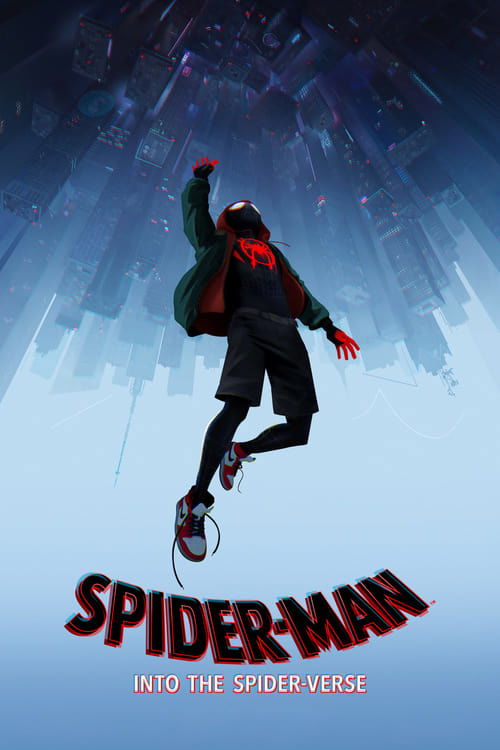
At the end of Spider-Man: Into the Spider-Verse, Miles Morales fully embraces his role as Spider-Man, defeating Kingpin and saving his universe. He learns to harness his powers and gains confidence in himself. The other Spider-People return to their respective universes, and Miles is left to protect his city as the new Spider-Man.
As the climax of the film unfolds, we find ourselves in the Kingpin's underground lair, where the final confrontation is about to take place. Miles Morales, now more confident in his abilities, has just completed his training with Peter B. Parker, who has become a mentor figure to him. The stakes are high as Kingpin prepares to activate his collider, which threatens to tear apart the fabric of the multiverse.
Scene by scene, the tension builds. Miles, having just learned to control his powers, is determined to stop Kingpin. He and Peter B. Parker, along with Gwen Stacy, Spider-Man Noir, Peni Parker, and Spider-Ham, devise a plan to infiltrate the lair. The group splits up, with Miles and Peter B. Parker heading toward the collider while the others create distractions.
As they approach the collider, they encounter a series of obstacles, including Kingpin's henchmen and the formidable Prowler, who is revealed to be Miles' uncle, Aaron Davis. This revelation hits Miles hard, as he grapples with the emotional turmoil of facing a family member who has chosen a life of crime. In a heart-wrenching moment, Prowler confronts Miles, and despite the emotional connection, he attacks him. Miles, fueled by a mix of fear and determination, ultimately uses his powers to defend himself, leading to a tragic confrontation where Aaron is fatally injured.
With the emotional weight of this loss hanging over him, Miles pushes forward. He and Peter B. Parker reach the collider, where Kingpin is ready to activate it. A fierce battle ensues, showcasing Miles' growth as he begins to utilize his unique abilities, including his camouflage and venom strike. The fight is intense, with Kingpin's overwhelming strength posing a significant threat. However, Miles, now fully embracing his identity as Spider-Man, manages to outsmart Kingpin, using his agility and newfound confidence to disable the collider.
As the collider begins to destabilize, the other Spider-People rush to help Miles. They work together to ensure that the multiverse is saved, and one by one, they prepare to return to their own dimensions. Each character shares a moment of connection with Miles, imparting words of wisdom and encouragement. Peter B. Parker, in particular, acknowledges Miles' growth, telling him that he is ready to be Spider-Man.
In a poignant farewell, Gwen Stacy expresses her hope to see Miles again, hinting at the possibility of their paths crossing in the future. The emotional weight of their shared experiences lingers as they part ways. Peni Parker, Spider-Ham, and Spider-Man Noir also bid farewell, each returning to their respective universes, leaving Miles with a sense of belonging and purpose.
The film concludes with Miles standing atop a building in Brooklyn, fully embracing his role as Spider-Man. He reflects on his journey, the loss he has faced, and the friendships he has forged. With a newfound sense of confidence, he swings through the city, embodying the spirit of Spider-Man. The final scene emphasizes his commitment to protecting his home, showcasing his growth from a hesitant teenager to a determined hero.
In summary, Miles Morales emerges as the new Spider-Man, having faced personal loss and embraced his identity. The other Spider-People return to their universes, leaving Miles to carry on the legacy of Spider-Man, symbolizing hope and resilience in the face of adversity.
Is there a post-credit scene?
Yes, "Spider-Man: Into the Spider-Verse" features a post-credit scene that adds a humorous and meta layer to the film.
In this scene, viewers are introduced to a character who resembles Spider-Man from the 1960s animated series. He is depicted in a retro animation style, complete with a catchy theme song playing in the background. The character, known as Spider-Man (or Peter Parker), is seen swinging through the city, and he suddenly breaks the fourth wall by addressing the audience directly.
He humorously comments on the nature of the multiverse and the concept of Spider-People, suggesting that there are countless versions of Spider-Man across different dimensions. He then says, "You know, I'm not sure how many of these Spider-Men there are," before he is interrupted by a voice off-screen.
The scene culminates in a comedic moment where he is abruptly pulled into a different dimension, leaving the audience with a sense of whimsy and the idea that the Spider-Verse is vast and filled with endless possibilities. This playful ending reinforces the film's themes of identity and the interconnectedness of different Spider-People, while also providing a light-hearted conclusion to the adventure.
What is the significance of the multiverse in the story?
The multiverse is a crucial element in 'Spider-Man: Into the Spider-Verse.' It allows for the introduction of various Spider-People from different dimensions, each with their own unique backgrounds and experiences. This concept not only enriches the narrative but also emphasizes the theme that anyone can wear the mask, showcasing the diversity of heroism across different realities.
What motivates Miles Morales to become Spider-Man?
Miles Morales is initially a typical teenager struggling to fit in, especially at his new school. His motivation to become Spider-Man intensifies after he witnesses the death of Peter Parker, the original Spider-Man, during a battle with Kingpin. This traumatic event, combined with his desire to honor Peter's legacy and protect his loved ones, drives him to embrace his newfound powers and responsibilities.
How does Miles Morales acquire his spider powers?
Miles Morales acquires his spider powers after being bitten by a genetically-altered spider while exploring an abandoned subway station. This spider is part of a larger experiment conducted by Kingpin, which aims to create a portal to alternate dimensions. The bite grants Miles abilities similar to those of Peter Parker, including wall-crawling, super strength, and a unique power called 'venom blast'.
Who are the other Spider-People that Miles encounters, and what are their roles?
Miles encounters several other Spider-People, including Peter B. Parker, an older and more jaded version of Spider-Man who becomes his mentor; Gwen Stacy, also known as Spider-Woman, who is strong and independent; Spider-Man Noir, a gritty detective from the 1930s; Peni Parker, a young girl who pilots a mech suit; and Spider-Ham, a cartoonish pig version of Spider-Man. Each character brings their own unique perspective and skills, helping Miles grow into his role as Spider-Man.
What is Kingpin's plan, and how does it affect the characters?
Kingpin's plan involves using a particle accelerator to open a portal to alternate dimensions, allowing him to retrieve his deceased wife and son from another universe. This reckless ambition not only threatens the fabric of reality but also endangers the lives of the Spider-People and the city of New York. His actions force Miles and the other Spider-People to unite and stop him, highlighting the stakes of their mission and the personal sacrifices they must make.
Is this family friendly?
"Spider-Man: Into the Spider-Verse" is generally considered family-friendly, but it does contain some scenes and themes that may be potentially objectionable or upsetting for younger children or sensitive viewers. Here are a few aspects to consider:
-
Violence: There are action sequences that involve fighting, explosions, and some intense moments where characters are in danger. While the violence is stylized and not overly graphic, it may still be intense for some viewers.
-
Death: The film addresses themes of loss and grief, particularly with the death of a significant character early in the story. This can be emotionally impactful and may be upsetting for younger audiences.
-
Emotional Struggles: Characters experience feelings of isolation, self-doubt, and the pressure of expectations. These themes are explored in depth and may resonate strongly with sensitive viewers.
-
Mild Language: There are instances of mild profanity and slang that may not be suitable for very young children.
-
Scary Moments: Some scenes feature menacing villains and dark environments that could be frightening for younger viewers.
Overall, while the film is designed to be accessible to a wide audience, parents may want to consider these elements when deciding if it's appropriate for their children.









