
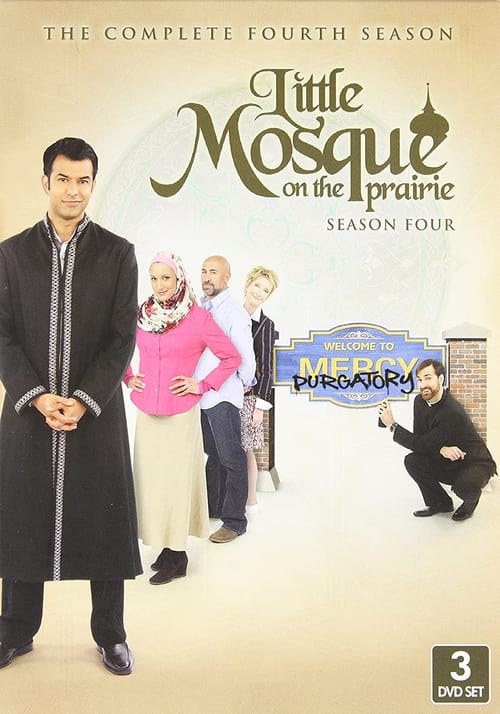









Popular
What challenges does Amaar face in his role as the new imam in Season 4?
How does Rayyan's relationship with her father evolve throughout Season 4?
What role does the character of Sarah play in the community dynamics in Season 4?
How does the arrival of new characters impact the existing relationships in Season 4?
What specific events lead to the community coming together in Season 4?
Should I watch it?
Ask Your Own Question

What is the plot?
In the first episode of Season 4, titled "The New Girl," the community of Mercy is introduced to a new character, a young Muslim woman named Fatima. She arrives in town and quickly becomes the center of attention, particularly for the men in the mosque. As she interacts with the community, her modern views and confidence create a stir, especially among the women, who feel threatened by her presence. Yasir and Sarah, who are navigating their own marital issues, find themselves drawn into the drama surrounding Fatima. Meanwhile, the mosque's board members, including Amaar, are concerned about how Fatima's arrival might affect the community's dynamics.
In the second episode, "The Wedding," the focus shifts to the preparations for a wedding in the community. The excitement is palpable, but tensions rise when misunderstandings occur between the families involved. Yasir and Sarah are tasked with organizing the event, but their differing opinions lead to conflict. As they try to balance their personal issues with the demands of the wedding, they learn more about each other's values and priorities. The episode culminates in a chaotic but heartfelt wedding ceremony, where the community comes together, showcasing both the joy and the challenges of their cultural traditions.
The third episode, "The Protest," sees the community rallying against a proposed law that they believe would unfairly target Muslims. Amaar takes the lead in organizing a peaceful protest, hoping to raise awareness and show solidarity. However, as the protest day approaches, tensions escalate, and some community members express doubts about the effectiveness of their actions. The episode highlights the internal struggles of characters like Rayyan, who grapples with her identity and the pressure to conform to societal expectations. The protest itself is a mix of passionate speeches and moments of humor, ultimately bringing the community closer together despite their differences.
In the fourth episode, "The New Imam," the mosque faces a significant change when a new imam arrives, bringing with him a different approach to leadership. This new imam, who is more traditional, clashes with Amaar's progressive views. The community is divided, with some members embracing the new imam's teachings while others support Amaar. The episode explores the themes of faith and leadership, as characters like Sarah and Rayyan find themselves caught in the middle of the ideological battle. The tension culminates in a community meeting where both sides present their arguments, leading to a dramatic decision about the future of the mosque.
The fifth episode, "The Family," focuses on the personal lives of the characters as they deal with family issues. Yasir's mother comes to visit, and her traditional views create friction with Sarah, who feels judged. Meanwhile, Amaar struggles with his own family dynamics, particularly with his father, who disapproves of his choices. The episode delves into the complexities of family relationships, showcasing the characters' vulnerabilities and the impact of cultural expectations. As the episode progresses, the characters learn to navigate their differences, leading to moments of reconciliation and understanding.
In the sixth episode, "The Festival," the community prepares for an annual cultural festival that celebrates their heritage. Excitement builds as everyone contributes to the preparations, but underlying tensions threaten to disrupt the festivities. Fatima's influence continues to be felt, as she encourages the younger generation to embrace their identity. However, some older members of the community resist change, leading to conflicts over how the festival should be celebrated. The episode culminates in a vibrant festival filled with music, food, and cultural displays, ultimately reinforcing the importance of community and tradition.
The seventh episode, "The Secret," reveals hidden truths among the characters. A secret relationship between two community members comes to light, causing shockwaves throughout Mercy. As the news spreads, characters react with a mix of disbelief, judgment, and support. The episode explores themes of love, acceptance, and the challenges of maintaining personal relationships within a close-knit community. The fallout from the revelation forces characters to confront their own biases and assumptions, leading to moments of growth and understanding.
In the eighth episode, "The Decision," the community faces a critical choice regarding the future of the mosque. With differing opinions on how to move forward, tensions rise as characters debate the direction they want to take. Amaar finds himself at a crossroads, torn between his desire for progress and the need to respect tradition. The episode builds to a climactic meeting where the community must come together to make a decision that will impact their future. The outcome reflects the complexities of their relationships and the importance of unity in the face of adversity.
The season concludes with the ninth episode, "The Reunion," where the characters reflect on the events of the season and the growth they have experienced. A reunion event is organized, bringing together past and present members of the community. As they share stories and reconnect, the characters confront their past mistakes and celebrate their achievements. The episode emphasizes the importance of community, forgiveness, and the bonds that tie them together. The season ends on a hopeful note, with the characters looking forward to the future while cherishing their shared history.








What is the ending?
In the final episode of Season 4 of "Little Mosque on the Prairie," the community faces a significant challenge as they prepare for the arrival of a new imam. Tensions rise as the characters navigate their personal relationships and the implications of change within their community. The season concludes with a sense of hope and unity, as the characters come together to embrace their shared faith and the future.
As the episode begins, the community is buzzing with anticipation for the new imam, who is expected to bring fresh perspectives and leadership. However, this excitement is tinged with anxiety, particularly for the existing characters who have grown accustomed to their current dynamics. Yasir, feeling the weight of responsibility, is concerned about how the new imam will affect his role within the mosque and the community. His internal struggle is palpable as he grapples with feelings of inadequacy and fear of being overshadowed.
Meanwhile, Sarah is dealing with her own emotional turmoil. She has been reflecting on her relationship with her husband, and the arrival of the new imam forces her to confront her feelings about their marriage. Her journey throughout the season has been one of self-discovery, and she is determined to find her voice and assert her needs. As she prepares for the new imam, she also prepares to have an honest conversation with Yasir about their future together.
The scene shifts to the mosque, where the community gathers in anticipation. The atmosphere is charged with a mix of excitement and apprehension. The characters exchange nervous glances, each one reflecting their personal stakes in the situation. The arrival of the new imam is met with a warm welcome, but the underlying tension remains. The new imam, portrayed as a charismatic and progressive leader, quickly captures the attention of the congregation, which leaves Yasir feeling sidelined.
As the episode progresses, the characters engage in various discussions about the direction of the mosque and their roles within it. The new imam encourages open dialogue, which leads to some heated debates among the community members. This is a pivotal moment for the characters, as they must confront their differences and find common ground. The discussions reveal the complexities of their relationships and the challenges they face as a diverse community.
In a particularly emotional scene, Sarah finally confronts Yasir about her feelings. She expresses her desire for them to grow together and not be overshadowed by the new leadership. Yasir, initially defensive, begins to understand her perspective. This moment of vulnerability leads to a heartfelt reconciliation, as they both acknowledge the importance of communication and support in their marriage.
As the episode nears its conclusion, the community comes together for a final gathering at the mosque. The new imam leads a prayer, symbolizing unity and hope for the future. The characters, despite their differences, find solace in their shared faith and commitment to one another. The scene is filled with warmth and camaraderie, showcasing the strength of their bonds.
In the closing moments, the camera pans over the smiling faces of the community members, highlighting their resilience and determination to move forward together. Yasir and Sarah stand hand in hand, embodying the renewed sense of partnership and understanding in their relationship. The episode ends on a hopeful note, suggesting that while challenges may arise, the community is ready to face them together, united in their faith and friendship.
In summary, the fate of the main characters is one of growth and reconciliation. Yasir and Sarah emerge stronger in their relationship, having navigated their fears and uncertainties. The new imam's arrival signifies a new chapter for the community, one that embraces change while honoring their shared values. The season concludes with a sense of optimism, leaving the audience with the message that unity and understanding can overcome even the most daunting challenges.
Is there a post-credit scene?
In Season 4 of "Little Mosque on the Prairie," there is no post-credit scene. The episodes conclude without any additional scenes or content after the credits roll. Each episode wraps up its storyline within the main narrative, focusing on the characters' interactions and the community's dynamics without extending into a post-credit sequence. The show maintains its comedic and heartfelt tone throughout, emphasizing the relationships and cultural experiences of the characters in the fictional town of Mercy.
What challenges does Amaar face in his role as the new imam in Season 4?
In Season 4, Amaar struggles with the expectations placed on him as the new imam of the mosque. He grapples with balancing traditional Islamic values with the modern realities of his community. His desire to connect with the younger generation often leads him to make decisions that are met with resistance from more conservative members of the congregation, such as when he tries to introduce new programs and activities that reflect contemporary issues.
How does Rayyan's relationship with her father evolve throughout Season 4?
Rayyan's relationship with her father, Baber, is a central theme in Season 4. Baber is often critical of Rayyan's choices, particularly regarding her career and her independence. As the season progresses, Rayyan asserts her autonomy, leading to conflicts that force Baber to confront his own traditional views. Their dynamic shifts as they both learn to respect each other's perspectives, culminating in moments of understanding and reconciliation.
What role does the character of Sarah play in the community dynamics in Season 4?
Sarah, as a member of the mosque, becomes increasingly involved in community issues in Season 4. Her character often serves as a bridge between different factions within the community, advocating for inclusivity and understanding. She faces her own challenges, particularly when her personal life intersects with community events, leading to moments of tension and growth as she navigates her identity and relationships.
How does the arrival of new characters impact the existing relationships in Season 4?
The introduction of new characters in Season 4, such as the outspoken and progressive character of Fatima, creates ripples in the established dynamics of the mosque community. These new characters challenge the status quo, prompting existing members to reevaluate their beliefs and relationships. For instance, Fatima's boldness inspires some, while others feel threatened, leading to conflicts that reveal deeper issues within the community.
What specific events lead to the community coming together in Season 4?
Throughout Season 4, several key events, such as community fundraisers and interfaith dialogues, serve as catalysts for unity among the mosque members. These events often highlight the diverse backgrounds of the community members and their shared goals. Tensions arise during planning stages, but ultimately, the characters learn to collaborate, leading to moments of solidarity that strengthen their bonds and foster a sense of belonging.
Is this family friendly?
"Little Mosque on the Prairie" is generally considered a family-friendly show, focusing on themes of community, faith, and cultural understanding. However, there are a few aspects that might be considered objectionable or upsetting for children or sensitive viewers:
-
Cultural Tensions: The show often explores the misunderstandings and prejudices that arise between the Muslim community and the predominantly non-Muslim residents of the town. Some scenes may depict conflict or tension that could be uncomfortable for younger viewers.
-
Discussions of Stereotypes: Characters sometimes confront stereotypes about Muslims, which can lead to discussions that might be complex or difficult for children to fully grasp.
-
Personal Struggles: Characters face personal dilemmas, such as issues with identity, acceptance, and belonging, which may evoke emotional responses. These themes can be heavy and might resonate differently with sensitive viewers.
-
Romantic Relationships: There are subplots involving romantic interests and relationships that may include misunderstandings or conflicts, which could be awkward for younger audiences.
-
Humor Based on Misunderstanding: Some comedic elements arise from cultural misunderstandings or social faux pas, which might not be suitable for all children, depending on their maturity level.
Overall, while the show is light-hearted and aims to promote understanding, these elements may require parental guidance for younger viewers.