
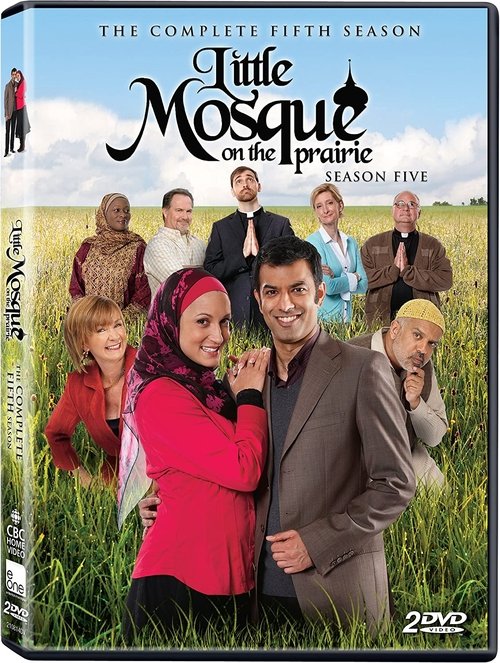









Popular
What challenges does Yasir face in his role as the new Imam in Season 5?
How does Sarah's character evolve throughout Season 5?
What is the significance of the community's response to the new mosque building in Season 5?
How does the relationship between Rayyan and her father evolve in Season 5?
What role does the character of Fred play in the community dynamics in Season 5?
Should I watch it?
Ask Your Own Question

What is the plot?
In the first episode of Season 5, titled "The New Girl," the community of Mercy is introduced to a new character, a young Muslim woman named Fatima. She arrives in town and quickly becomes the center of attention, particularly for the men in the mosque. As she interacts with the community, her modern views and confidence create a stir, especially among the women, who feel threatened by her presence. Yasir and Sarah are particularly concerned about how Fatima's arrival might affect their own relationship dynamics. Meanwhile, the men, including J.J. and Amir, are enamored by her, leading to humorous situations as they try to impress her.
In the second episode, "The Wedding," the community prepares for the wedding of a local couple, which brings excitement and tension. As the preparations unfold, misunderstandings arise between the families involved, leading to comedic conflicts. Fatima takes charge of the wedding planning, showcasing her organizational skills, but her assertiveness causes friction with the more traditional members of the community. The episode culminates in a chaotic but heartfelt wedding ceremony, where the characters learn to appreciate each other's differences.
The third episode, "The Protest," sees the mosque facing a protest from a local group opposed to its presence in Mercy. The community rallies together to defend their right to worship, but tensions rise as they confront the protesters. The episode highlights the characters' fears and hopes as they navigate the challenges of being a minority in a small town. J.J. takes a stand, trying to bridge the gap between the two sides, while Yasir struggles with his own insecurities about being a leader. The protest ends with a surprising act of solidarity from some townsfolk, showcasing the complexities of community relationships.
In the fourth episode, "The New Imam," the mosque welcomes a new imam, who brings fresh ideas and a different approach to leadership. His arrival creates a divide among the congregation, with some embracing his modern methods while others cling to traditional practices. Yasir feels overshadowed by the new imam, leading to a crisis of confidence. The episode explores themes of identity and belonging as the characters grapple with their faith and the evolving nature of their community. The new imam's innovative ideas lead to both positive changes and unexpected challenges, forcing the characters to confront their own beliefs.
The fifth episode, "The Family Reunion," focuses on the return of a long-lost family member, which stirs up old rivalries and unresolved issues within the community. As the family gathers, secrets are revealed, and tensions rise, leading to emotional confrontations. The characters must navigate their complicated relationships while trying to maintain harmony during the reunion. The episode highlights the importance of family and forgiveness, culminating in a heartfelt resolution that brings the characters closer together.
In the sixth episode, "The Charity Event," the mosque organizes a charity event to raise funds for a local cause. The planning process reveals differing opinions on how to approach the event, leading to conflicts among the organizers. Fatima takes the lead, but her ambitious ideas clash with the more conservative members of the community. As the event unfolds, unexpected challenges arise, testing the characters' resolve and teamwork. The charity event ultimately becomes a success, showcasing the community's ability to come together for a common cause.
The seventh episode, "The School Play," centers around a school play that features characters from the mosque. The children are excited to participate, but the parents have differing opinions on how to portray their culture. Yasir and Sarah find themselves at odds over how to support their child while respecting their traditions. The episode explores themes of cultural representation and acceptance, culminating in a heartwarming performance that brings the community together and fosters understanding.
In the eighth episode, "The Big Decision," Yasir faces a career opportunity that could take him away from Mercy. As he weighs his options, the community reacts with mixed feelings, fearing the loss of their leader. Sarah struggles with the idea of leaving their home, while the children express their desire to stay. The episode delves into the emotional turmoil of making life-changing decisions, ultimately leading Yasir to choose to remain in Mercy, reaffirming his commitment to the community.
The season concludes with the ninth episode, "The Farewell," where the community prepares to say goodbye to a beloved character who is moving away. The farewell party is filled with laughter, tears, and reflections on the impact this character has had on their lives. As they celebrate their time together, the characters express their hopes for the future and the bonds they have formed. The episode encapsulates the themes of community, friendship, and the bittersweet nature of change, leaving the characters with a renewed sense of purpose as they look ahead.









What is the ending?
In the final episode of "Little Mosque on the Prairie" Season 5, the community faces a significant change as the mosque is threatened with closure. The characters rally together to save their place of worship, leading to a heartfelt resolution that emphasizes unity and understanding. The episode concludes with the community coming together, showcasing their resilience and commitment to each other.
As the episode begins, the atmosphere in Mercy is tense. The town is buzzing with rumors that the mosque may be shut down due to a lack of funds and support. The characters are visibly worried, and the stakes are high. The camera pans through the mosque, capturing the worried faces of the community members as they gather for a meeting.
Amir, the mosque's leader, feels the weight of responsibility on his shoulders. He is determined to find a way to keep the mosque open, reflecting his deep connection to the community and his faith. His internal struggle is palpable as he grapples with the fear of losing a place that has become a sanctuary for many.
Meanwhile, Sarah, Amir's wife, is supportive but also anxious about the future. She encourages Amir to reach out to the townspeople, hoping to bridge the gap between the Muslim community and the rest of Mercy. Her determination to foster understanding is evident as she organizes a community event to raise awareness about the mosque's importance.
As the event unfolds, the scene shifts to the town hall, where a heated discussion takes place. The townspeople express their concerns and misconceptions about the mosque. Tensions rise, but Amir stands up to speak, passionately defending the mosque and its role in promoting peace and community. His heartfelt speech resonates with many, and the atmosphere begins to shift from hostility to curiosity.
In a pivotal moment, a few non-Muslim residents share their positive experiences with the mosque, highlighting the friendships they have formed. This moment of vulnerability and honesty helps to break down barriers, and the audience can feel the tension easing as understanding begins to blossom.
The climax of the episode occurs when the community comes together for a fundraising dinner at the mosque. The scene is vibrant, filled with laughter, food, and music. The characters are seen mingling, sharing stories, and enjoying each other's company. This celebration of diversity showcases the strength of their bonds and the importance of community support.
As the night progresses, Amir receives news that the funds raised will be enough to keep the mosque open. The relief washes over him, and he shares the good news with the community. The joy is palpable, and the characters embrace, celebrating their victory together.
In the final moments of the episode, the camera captures the mosque, now filled with light and laughter. The characters reflect on their journey, acknowledging the challenges they faced but also the strength they found in unity. The episode closes with a sense of hope and renewal, as the community stands together, ready to face whatever comes next.
In summary, the fates of the main characters are intertwined with the mosque's future. Amir emerges as a leader who has rallied his community, while Sarah's efforts to promote understanding have paid off. The townspeople, once divided, find common ground, and the mosque remains a vital part of their lives. The episode ends on a hopeful note, emphasizing the power of community and the importance of standing together in the face of adversity.
Is there a post-credit scene?
In Season 5 of "Little Mosque on the Prairie," there is no post-credit scene. The episodes conclude without any additional scenes or content after the credits roll. The focus remains on the main storylines and character developments throughout the episodes, wrapping up the narratives without extending into a post-credit format. Each episode typically ends with a resolution to the plot points introduced, leaving viewers with a sense of closure for that particular story arc.
What challenges does Yasir face in his role as the new Imam in Season 5?
In Season 5, Yasir faces significant challenges as the new Imam, particularly in balancing his responsibilities to the community with his personal life. He struggles with the expectations placed upon him by the congregation, who look to him for guidance and leadership. Yasir's internal conflict is heightened by his desire to be accepted and respected, while also dealing with the pressures of his family life, especially as he navigates his relationship with Sarah and their differing views on community involvement.
How does Sarah's character evolve throughout Season 5?
Sarah's character experiences notable growth in Season 5 as she grapples with her identity and her role within the mosque community. Initially, she feels overshadowed by Yasir's new position as Imam, leading to feelings of insecurity. However, as the season progresses, Sarah becomes more assertive, taking on a leadership role in organizing community events and advocating for women's voices within the mosque. This evolution reflects her journey towards empowerment and self-acceptance.
What is the significance of the community's response to the new mosque building in Season 5?
The community's response to the new mosque building in Season 5 serves as a pivotal plot point that highlights the themes of acceptance and integration. As the construction progresses, various characters express their concerns and hopes, reflecting their personal struggles with faith and community identity. The mixed reactions from both the Muslim community and the wider town illustrate the challenges of coexistence and the importance of dialogue in overcoming prejudice.
How does the relationship between Rayyan and her father evolve in Season 5?
In Season 5, the relationship between Rayyan and her father, Baber, undergoes significant tension and development. Baber, who is often traditional and strict, struggles to accept Rayyan's modern views and her desire for independence. Their interactions are filled with both conflict and moments of understanding, as Rayyan seeks to assert her own identity while still respecting her father's values. This dynamic showcases the generational clash within the Muslim community and the complexities of familial love.
What role does the character of Fred play in the community dynamics in Season 5?
Fred, the town's mayor, plays a crucial role in the community dynamics of Season 5 as he attempts to bridge the gap between the Muslim community and the non-Muslim residents of Mercy. His character often embodies the challenges of political correctness and the struggle for acceptance. Throughout the season, Fred's interactions with the mosque members reveal his genuine desire to foster understanding, but also highlight the obstacles he faces from both sides, making him a key figure in the narrative of integration and community building.
Is this family friendly?
"Little Mosque on the Prairie" is generally considered a family-friendly show, focusing on themes of community, faith, and cultural understanding. However, there are a few aspects that might be considered objectionable or upsetting for children or sensitive viewers:
-
Cultural Tensions: The show often addresses misunderstandings and prejudices between different cultural and religious groups, which may include discussions or scenes that highlight discrimination or stereotypes.
-
Personal Conflicts: Characters experience personal struggles, such as relationship issues, family disputes, and identity crises, which may evoke emotional responses.
-
Humor about Sensitive Topics: The series uses humor to tackle serious subjects, which might not resonate well with all viewers, especially younger children who may not fully grasp the nuances.
-
Mild Language: There may be instances of mild language or expressions that some parents might find inappropriate for younger audiences.
-
Religious Themes: The show explores various aspects of Islam and religious practices, which might be confusing or uncomfortable for viewers unfamiliar with these topics.
Overall, while the show is light-hearted and comedic, parents may want to preview episodes to ensure they align with their family's values and sensitivities.