
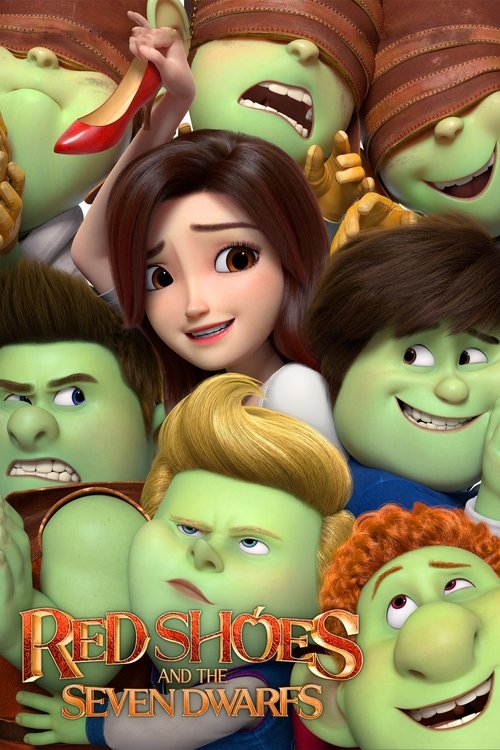









Popular
What motivates the character of Princess Moira to seek out the dwarfs?
How do the dwarfs in the story differ from traditional portrayals of dwarfs in fairy tales?
What role do the magical red shoes play in the story?
How does the character of the Evil Queen impact the story's conflict?
What is the significance of the dwarfs' transformation throughout the film?
Should I watch it?
Ask Your Own Question

What is the plot?
Sorry, we aren't able to watch and write up a full detailed plot yet. Check back in a few days.




What is the ending?
In the ending of "Red Shoes and the Seven Dwarfs," the main characters confront their inner struggles and ultimately find acceptance and love. The curse of the red shoes is broken, allowing the characters to embrace their true selves. The dwarfs, who have been transformed by their experiences, find happiness, and the princess learns to appreciate her worth beyond appearances. The film concludes with a celebration of friendship and self-acceptance.
As the climax of "Red Shoes and the Seven Dwarfs" unfolds, the scene shifts to the enchanted forest where the dwarfs and the princess, now fully aware of their true selves, prepare to confront the evil witch who has cast the curse. The atmosphere is tense, filled with a mix of determination and fear. The dwarfs, each embodying their unique traits, rally together, showcasing their growth throughout the journey. They are no longer just dwarfs; they are brave, loyal friends ready to fight for what they believe in.
The princess, having shed her superficial desires, stands alongside them, her heart filled with courage. She understands that true beauty comes from within, and she is ready to face the witch not just for herself but for her friends as well. As they approach the witch's lair, the dark clouds swirl ominously above, reflecting the internal struggles they have all faced.
In a dramatic confrontation, the witch reveals her true power, casting spells that threaten to separate the group. However, the dwarfs, united by their friendship and newfound confidence, work together to counter her magic. Each dwarf uses their unique abilities, showcasing their growth and the strength of their bond. The princess, too, steps forward, using her voice to break the witch's hold over them. Her declaration of self-acceptance resonates, weakening the witch's power.
As the battle reaches its peak, the princess steps into the light, her red shoes glowing. In a moment of clarity, she realizes that the shoes symbolize not just beauty but the burdens of expectation. She removes them, breaking the curse that has plagued them all. The witch, realizing her power is fading, is ultimately defeated, and with her defeat, the curse is lifted.
The scene shifts to a bright, sunlit clearing where the dwarfs and the princess stand together, transformed. The dwarfs, no longer under the witch's spell, regain their true forms, revealing their handsome appearances. They embrace their identities, no longer ashamed of who they are. The princess, now free from the constraints of her previous desires, finds joy in her friendships and the love that has blossomed among them.
In the final moments, the characters celebrate their victory. The dwarfs, now confident and self-assured, express their gratitude to the princess for her bravery and support. The princess, in turn, acknowledges the importance of their friendship and the lessons learned throughout their journey. They dance together in the clearing, laughter and joy filling the air, symbolizing their acceptance of themselves and each other.
As the camera pans out, the enchanted forest glows with warmth and light, a stark contrast to the darkness that once enveloped it. The film concludes with a message of self-acceptance, the power of friendship, and the understanding that true beauty lies within. Each character has found their place, and they look forward to a future filled with love and happiness, free from the burdens of their past.
Is there a post-credit scene?
In the movie "Red Shoes and the Seven Dwarfs," there is indeed a post-credit scene. After the main story concludes, the scene opens with the dwarfs and Snow White celebrating their victory and newfound happiness. As the credits roll, the camera shifts to a whimsical setting where the dwarfs are seen engaging in playful antics, showcasing their unique personalities.
The scene focuses on the dwarfs attempting to impress Snow White with their dance moves, each one trying to outdo the other. Their clumsy yet endearing efforts lead to a series of humorous mishaps, causing laughter and light-hearted chaos. The atmosphere is filled with joy and camaraderie, emphasizing the bond they have formed throughout their adventures.
As the scene progresses, a familiar character from the story, the Evil Queen, is shown lurking in the shadows, plotting her next move. This moment adds a hint of suspense and sets the stage for potential future adventures, leaving the audience with a sense of anticipation and excitement. The post-credit scene encapsulates the film's themes of friendship, love, and the ongoing battle between good and evil, while also providing a light-hearted conclusion to the story.
What motivates the character of Princess Moira to seek out the dwarfs?
Princess Moira is driven by a desire to escape her life of confinement and the expectations placed upon her as a princess. She feels stifled by her royal duties and yearns for freedom and adventure. Her encounter with the dwarfs represents a chance to break free from her sheltered existence and discover her true self.
How do the dwarfs in the story differ from traditional portrayals of dwarfs in fairy tales?
In 'Red Shoes and the Seven Dwarfs', the dwarfs are portrayed as misunderstood characters who are not simply comic relief or sidekicks. Each dwarf has a distinct personality and backstory, and they struggle with their own insecurities and desires. Their journey alongside Princess Moira allows them to grow and redefine their identities beyond their physical appearances.
What role do the magical red shoes play in the story?
The magical red shoes are central to the plot, symbolizing both the allure of beauty and the consequences of vanity. When worn, they grant the wearer extraordinary beauty but also come with a curse that can lead to dire consequences. Princess Moira's relationship with the shoes reflects her internal conflict between wanting to be seen as beautiful and the importance of inner worth.
How does the character of the Evil Queen impact the story's conflict?
The Evil Queen serves as the primary antagonist, representing the societal pressures and the obsession with beauty. Her desire to remain the most beautiful in the kingdom drives her to pursue Princess Moira and the dwarfs, creating a conflict that forces the characters to confront their own insecurities and the true meaning of beauty. Her actions propel the narrative forward and challenge the protagonists to grow.
What is the significance of the dwarfs' transformation throughout the film?
The transformation of the dwarfs is significant as it symbolizes their journey towards self-acceptance and the realization that true beauty comes from within. As they embark on their quest with Princess Moira, they learn to embrace their unique qualities and support one another, ultimately leading to a deeper understanding of friendship and love that transcends physical appearances.
Is this family friendly?
"Red Shoes and the Seven Dwarfs" is generally considered a family-friendly film, but it does contain some elements that may be potentially objectionable or upsetting for children or sensitive viewers. Here are a few aspects to consider:
-
Body Image Themes: The film explores themes of beauty and self-acceptance, which may lead to discussions about body image. Some scenes may depict characters feeling insecure about their appearance.
-
Villainous Behavior: There are moments involving the antagonist that may be intense or frightening for younger viewers, including scenes of deception and manipulation.
-
Emotional Struggles: Characters experience feelings of inadequacy, loneliness, and rejection, which could resonate deeply with sensitive viewers.
-
Mild Scary Moments: Certain scenes may include mild peril or suspense, particularly involving the villain and the challenges the main characters face.
-
Romantic Elements: There are romantic subplots that may include some mild innuendo or suggestive humor, which might not be suitable for very young children.
Overall, while the film is designed for a family audience, parents may want to consider these elements when deciding if it is appropriate for their children.







