











Popular
What happens to Jacob Langston when he returns from the dead?
How does the character of Sheriff Fred Langston react to the return of the deceased?
What role does the character of Dr. Maggie Langston play in the story?
What is the significance of the character of Rachael in Jacob's story?
How do the townspeople of Arcadia react to the phenomenon of the returned?
Should I watch it?
Ask Your Own Question

What is the plot?
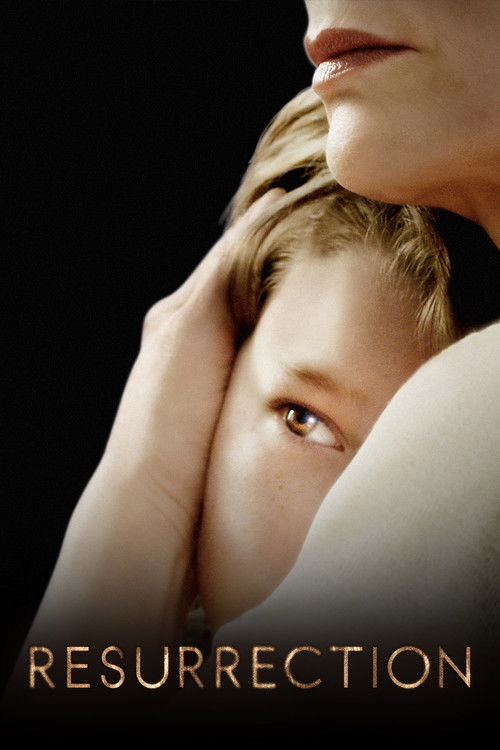
In the small town of Arcadia, Missouri, the story begins with the sudden and mysterious return of a young boy named Jacob Langston, who had drowned in a river thirty years prior. Jacob appears in a rice field, confused and disoriented, and is taken to the local police station by Sheriff Fred Langston, who is also Jacob's father. Fred is shocked to see his son, who he believed was dead, standing before him. Jacob does not seem to have aged and has no memory of his death or the intervening years.
As news of Jacob's return spreads, it creates a stir in the community. His mother, Barbara Langston, is initially skeptical but is overwhelmed with emotion upon seeing her son again. The family struggles to reconcile the reality of Jacob's return with the trauma of his loss. Meanwhile, the town's residents react with a mix of curiosity, disbelief, and fear. Some are supportive, while others are suspicious of the supernatural implications of Jacob's return.
Jacob begins to adjust to life back in Arcadia, but he experiences strange visions and memories that he cannot fully understand. He befriends a girl named Rachel, who is also dealing with her own family issues. Rachel's father, who is a local pastor, is concerned about the implications of Jacob's return and the potential for chaos in the town. As Jacob tries to fit in, he becomes increasingly aware of the tension surrounding his existence.
As the story unfolds, it is revealed that other people who have died in the past are also returning to life. This phenomenon raises questions about the nature of life and death, and the characters grapple with their beliefs and fears. The town's residents begin to form factions, with some believing that the returns are a miracle, while others see them as a curse. The emotional turmoil intensifies as families are forced to confront their pasts and the unresolved issues that come with the return of their loved ones.
Fred Langston, struggling with his own emotions, becomes increasingly protective of Jacob. He is haunted by the memories of losing his son and is determined to keep him safe from those who might wish to exploit or harm him. Fred's relationship with his wife, Barbara, becomes strained as they navigate their conflicting feelings about Jacob's return. Barbara is torn between her joy at having her son back and her fear of what it means for their family.
As the series progresses, Jacob's presence begins to have a profound impact on the town. The returns of other deceased individuals lead to confrontations and revelations that force the characters to confront their pasts. Tensions rise as some residents begin to take extreme measures to protect their loved ones or to rid the town of the "curse" they believe the returns represent. The emotional stakes escalate as friendships are tested and loyalties are challenged.
In a pivotal moment, Jacob's visions lead him to uncover dark secrets about the town and the people who have returned. He learns that some of the returned individuals have their own agendas and are not simply seeking to reconnect with their families. This revelation creates a rift between Jacob and those who wish to protect him, as he feels a responsibility to understand the truth behind the phenomenon.
The climax of the season builds as the town becomes increasingly divided over the returns. A confrontation occurs between those who support the returned individuals and those who want to drive them out. The emotional turmoil reaches a peak as families are torn apart by their differing beliefs about the nature of life and death. Jacob finds himself at the center of this conflict, struggling to understand his own identity and the implications of his return.
In the final episodes, the situation escalates into chaos as the town's residents confront the reality of the returns. Jacob's relationship with Rachel deepens, and they work together to uncover the truth about the phenomenon. As the season concludes, the characters are left to grapple with the consequences of their choices and the unresolved questions surrounding life, death, and the nature of existence. The season ends on a cliffhanger, leaving viewers eager to see how the characters will navigate the complexities of their new reality.









What is the ending?
In the ending of "Resurrection" Season 1, the series culminates in a tense confrontation between the living and the returned. The town of Arcadia is thrown into chaos as the returned individuals struggle with their identities and the implications of their resurrection. The season concludes with a significant revelation about the nature of the returned, particularly focusing on the character of Jacob, who is revealed to have a deeper connection to the mysterious events surrounding the returns. The fate of the main characters is left ambiguous, with lingering questions about the future of the town and the returned.
As the final episode unfolds, the tension in Arcadia reaches a boiling point. The town is on edge, grappling with the implications of the returned individuals, particularly Jacob, who has been at the center of the mystery since his return. The episode opens with a sense of urgency; the townspeople are divided, some embracing the returned while others view them with suspicion and fear.
Scene 1: The episode begins with a close-up of Jacob, who is sitting on the porch of his home, looking contemplative. His mother, Lucille, approaches him, her face a mixture of concern and love. She tries to reassure him, but Jacob is troubled by the weight of his existence and the questions surrounding his return. He feels a deep connection to the other returned, especially to those who have been struggling with their identities.
Scene 2: Meanwhile, Sheriff Fred, who has been a staunch protector of the town, is seen in his office, grappling with the growing unrest. He receives reports of disturbances and confrontations between the returned and the townspeople. His internal conflict is palpable; he wants to maintain order but is also haunted by the implications of the returned. He reflects on his own past and the choices he has made, which adds to his emotional turmoil.
Scene 3: The narrative shifts to the character of Bellamy, who has been trying to understand the phenomenon of the returned. He meets with other characters who have been affected by the returns, including the parents of the deceased. Their conversations are filled with pain and longing, as they express their fears and hopes. Bellamy's determination to uncover the truth about the returned drives him to confront the deeper mysteries of life and death.
Scene 4: As the episode progresses, tensions escalate. A confrontation occurs at the town hall, where the community gathers to discuss the future of the returned. Emotions run high, and accusations fly. The returned, including Jacob, stand together, facing the hostility of some townspeople. The scene is charged with fear and uncertainty, highlighting the struggle between acceptance and rejection.
Scene 5: In a pivotal moment, Jacob steps forward, his voice steady but filled with emotion. He speaks about the importance of understanding and compassion, urging the townspeople to see the returned as individuals rather than threats. His plea resonates with some, but others remain unconvinced, leading to a chaotic scene where fear and anger boil over.
Scene 6: The climax of the episode occurs when a violent confrontation breaks out. The sheriff tries to restore order, but the situation spirals out of control. In the chaos, Jacob's connection to the other returned becomes evident; he seems to possess an understanding of their shared experience. This moment of unity among the returned is juxtaposed with the fear of the townspeople, creating a powerful visual of conflict.
Scene 7: As the dust settles, the aftermath of the confrontation leaves the town in disarray. The returned are left to ponder their existence and the implications of their return. Jacob, in particular, is left with a sense of purpose but also uncertainty about what lies ahead. The episode closes with him looking out over the town, a mixture of hope and apprehension in his eyes.
In the final moments, the fates of the main characters are left ambiguous. Lucille is shown embracing Jacob, her love unwavering despite the chaos. Sheriff Fred is seen grappling with his decisions, hinting at a potential change in his perspective. Bellamy, still searching for answers, is left with more questions than ever. The season ends on a note of uncertainty, emphasizing the ongoing struggle between the living and the returned, and the complex emotions that bind them together. The screen fades to black, leaving viewers to ponder the implications of resurrection and the nature of life itself.
Is there a post-credit scene?
In the first season of "Resurrection," there is no post-credit scene. The episodes conclude without any additional scenes or content after the credits roll. The focus remains on the unfolding narrative and character development throughout the episodes, particularly as the story explores the mysterious return of individuals who have been deceased. Each episode wraps up its storyline, leading into the next without any extra scenes that would typically be found in a post-credit format.
What happens to Jacob Langston when he returns from the dead?
Jacob Langston, a young boy who died in 1982, mysteriously returns to life in the present day, appearing as he did at the time of his death. His return causes a stir in the small town of Arcadia, particularly for his parents, Henry and Lucille, who are overwhelmed with emotions ranging from joy to confusion. Jacob struggles to adjust to the modern world and grapples with memories of his past life, which are often fragmented and haunting.
How does the character of Sheriff Fred Langston react to the return of the deceased?
Sheriff Fred Langston, Jacob's father, is initially skeptical and conflicted about his son's return. He experiences a mix of disbelief and hope, torn between the joy of having his son back and the fear of the implications of such a miraculous event. As the story unfolds, Fred's protective instincts kick in, leading him to investigate the phenomenon further, while also dealing with the emotional turmoil of reconnecting with Jacob.
What role does the character of Dr. Maggie Langston play in the story?
Dr. Maggie Langston, Jacob's aunt and a local doctor, becomes a crucial figure in understanding the phenomenon of the returned. She is both scientifically minded and emotionally invested, often caught between her professional skepticism and her familial love. Maggie's character embodies the struggle to reconcile the inexplicable with the rational, as she seeks to find answers while also supporting her family through the emotional upheaval.
What is the significance of the character of Rachael in Jacob's story?
Rachael, a woman who also returns from the dead, becomes a pivotal character as her presence raises questions about the nature of the returns. Her backstory intertwines with Jacob's, and she serves as a catalyst for exploring the deeper implications of resurrection. Rachael's struggles with her own past and her connection to Jacob highlight themes of loss, identity, and the search for belonging.
How do the townspeople of Arcadia react to the phenomenon of the returned?
The townspeople of Arcadia exhibit a range of reactions to the phenomenon of the returned, from curiosity and excitement to fear and hostility. As more individuals return, the community becomes increasingly divided, with some viewing the returns as miracles and others as threats. This tension creates a backdrop for exploring the complexities of human relationships and the impact of the supernatural on everyday life.
Is this family friendly?
"Resurrection" is a supernatural drama that explores themes of life, death, and the emotional turmoil surrounding the return of deceased loved ones. While the show has a compelling narrative, it does contain several elements that may be objectionable or upsetting for children or sensitive viewers.
-
Death and Grief: The central premise involves characters who have returned from the dead, which can evoke strong themes of loss and mourning. Scenes depicting family members grappling with the return of their deceased loved ones can be emotionally intense.
-
Violence: There are moments of violence, including confrontations and physical altercations that may be distressing. Some scenes depict characters in peril or facing threats, which can create a tense atmosphere.
-
Supernatural Elements: The show includes supernatural themes that may be frightening for younger viewers, such as the concept of resurrection and the implications of life after death.
-
Emotional Turmoil: Characters experience significant emotional struggles, including confusion, fear, and anger regarding their loved ones' returns. This emotional weight can be heavy and may be difficult for sensitive viewers to process.
-
Family Conflict: The show portrays complex family dynamics, including conflict and betrayal, which may be unsettling for younger audiences.
Overall, while "Resurrection" offers a thought-provoking narrative, its themes and scenes may not be suitable for all children or sensitive viewers.