





























Popular
Should I watch it?
Ask Your Own Question

What is the plot?
Tatsumi, a young man from a rural village, sets out for the capital city to earn money to save his village from poverty. He is filled with hope and determination as he travels, dreaming of a better life. Upon arriving in the capital, he is quickly disillusioned by the stark contrast between the rich and the poor. He witnesses the rampant corruption and cruelty of the ruling class, which deeply disturbs him.
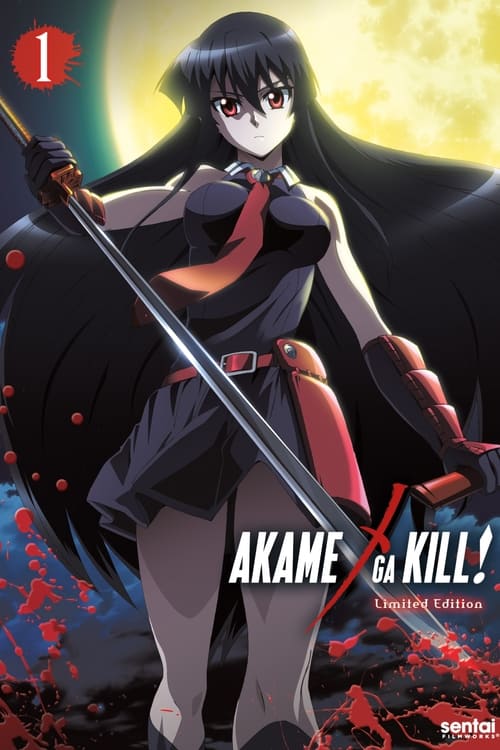
While exploring the city, Tatsumi encounters a group of bandits who attempt to rob him. He is saved by a mysterious girl named Akame, who is a member of a group known as Night Raid, a secret assassin organization that targets corrupt officials. Impressed by her skills and strength, Tatsumi is drawn to Akame and her cause. He learns that Night Raid fights against the oppressive Empire and seeks to bring justice to the people.
Tatsumi decides to join Night Raid, hoping to make a difference. He meets the other members: the charismatic leader Najenda, the fierce and loyal Mine, the stoic and powerful Leone, and the enigmatic and deadly Esdeath. Each member has their own tragic backstory and motivations for fighting against the Empire. Tatsumi is eager to prove himself and quickly begins training with the group.
Their first mission together is to assassinate a corrupt noble named Koro. During the mission, Tatsumi struggles with the reality of taking a life, but he ultimately overcomes his hesitation and helps the team succeed. They retrieve Koro's Teigu, a powerful weapon, which they plan to use against the Empire. This victory boosts Tatsumi's confidence and solidifies his commitment to Night Raid.
As Night Raid continues their operations, they face off against the Empire's elite soldiers known as the Jaegers, led by the ruthless Esdeath. During a confrontation, Tatsumi witnesses the brutal tactics of the Jaegers and the lengths they will go to maintain their power. This encounter deepens his resolve to fight against the Empire's tyranny.
Tatsumi's relationship with Mine develops as they bond over their shared experiences and struggles. Mine, initially cold and distant, begins to open up to Tatsumi, revealing her vulnerabilities. Their connection grows stronger, and they become a source of support for each other amidst the chaos of their missions.
The stakes rise when Night Raid targets a high-ranking official, the Minister of Defense, who is responsible for numerous atrocities. The mission is fraught with danger, and Tatsumi faces his first real test as a fighter. He confronts the Minister and his guards, showcasing his growth and determination. However, the mission takes a tragic turn when one of their own, a beloved member of Night Raid, is killed during the operation. This loss weighs heavily on Tatsumi and the team, forcing them to confront the harsh realities of their fight.
As Night Raid continues to clash with the Jaegers, Tatsumi learns more about the Teigu, the powerful weapons that grant their users extraordinary abilities. He discovers that he has been chosen to wield a Teigu called Incursio, which grants him incredible strength and agility. This new power comes with its own challenges, as Tatsumi must learn to control it while grappling with the moral implications of using such a weapon.
The conflict escalates when Esdeath becomes personally invested in capturing Tatsumi, intrigued by his potential and strength. She begins to see him as a worthy opponent and a potential ally, complicating Tatsumi's feelings as he grapples with her ruthless nature and his own growing power. Their encounters are filled with tension, as Tatsumi is torn between his duty to Night Raid and the allure of Esdeath's strength.
In a pivotal moment, Tatsumi and Mine are sent on a mission to eliminate a corrupt noble who has been exploiting the people. During the mission, they are ambushed by the Jaegers, leading to a fierce battle. Tatsumi fights valiantly, but the situation becomes dire when Mine is gravely injured. In a desperate attempt to save her, Tatsumi unleashes the full power of Incursio, transforming into a monstrous form. This transformation shocks both allies and enemies, showcasing the dark potential of his Teigu.
As the season progresses, the emotional toll of their fight weighs heavily on Tatsumi and the members of Night Raid. They face betrayal, loss, and the harsh realities of war. Each character's backstory is explored, revealing their motivations and the personal stakes involved in their struggle against the Empire.
The climax of the season occurs when Night Raid launches a full-scale assault on the capital, aiming to take down the Emperor himself. The battle is intense and chaotic, with each member of Night Raid facing off against powerful enemies. Tatsumi confronts Esdeath in a climactic showdown, where their conflicting ideologies clash. Despite his newfound power, Tatsumi struggles against Esdeath's overwhelming strength and cunning.
In the final moments of the season, the battle reaches a devastating conclusion. Night Raid suffers significant losses, and Tatsumi is left to grapple with the consequences of their fight. The season ends on a cliffhanger, leaving the fate of the characters uncertain and the struggle against the Empire far from over.








What is the ending?
In the ending of "Akame ga Kill!" Season 1, the main character Tatsumi faces a climactic battle against the Empire's strongest fighters. After a series of intense confrontations, the Night Raid members confront the corrupt Prime Minister and his forces. The story culminates in a tragic finale where several key characters meet their demise, leading to a bittersweet resolution for Tatsumi and his allies.
As the final episodes unfold, the tension escalates. The remaining members of Night Raid, including Akame, Tatsumi, and others, prepare for a decisive confrontation against the Empire. They infiltrate the capital, determined to take down the Prime Minister and his elite guards. The atmosphere is thick with anticipation and dread as they face overwhelming odds.
In a pivotal scene, Tatsumi, now wielding the powerful Imperial Arm, engages in a fierce battle against the Prime Minister's strongest soldier, Esdeath. The fight is brutal, showcasing Tatsumi's growth and determination. However, despite his efforts, he is ultimately outmatched. Esdeath, with her ice manipulation abilities, proves to be a formidable opponent, and Tatsumi struggles to keep up.
Meanwhile, the other members of Night Raid are also embroiled in their own battles. Leone faces off against the Prime Minister's guards, showcasing her fierce loyalty and strength. The emotional stakes are high as each character fights not just for their lives but for the ideals they believe in. The camaraderie and bonds formed throughout their journey are palpable, adding weight to their struggles.
As the battles rage on, the narrative shifts to a heart-wrenching moment when several members of Night Raid fall. The deaths of characters like Mine and Leone are particularly impactful, highlighting the cost of their rebellion against the oppressive regime. Their sacrifices resonate deeply with Tatsumi, who is left grappling with the loss of his friends and the harsh realities of their fight.
In the climax, Tatsumi, fueled by grief and rage, confronts Esdeath one last time. The battle reaches a fever pitch, and in a moment of desperation, Tatsumi unleashes the full potential of his Imperial Arm. However, the outcome is tragic; Tatsumi is ultimately defeated, and in a final act of defiance, he chooses to fight until the very end, embodying the spirit of rebellion.
The series concludes with Akame, the last surviving member of Night Raid, standing amidst the ruins of their struggle. The weight of loss hangs heavy in the air as she reflects on the sacrifices made by her comrades. The final scenes depict her walking away from the battlefield, a symbol of resilience and the enduring fight against tyranny.
In summary, the fates of the main characters are as follows: Tatsumi falls in battle, having fought valiantly but ultimately succumbing to the overwhelming power of Esdeath. Mine sacrifices herself to protect Tatsumi, and Leone also meets her end, leaving Akame as the sole survivor of Night Raid. The ending encapsulates the themes of sacrifice, the harsh realities of war, and the enduring spirit of those who fight for justice, even in the face of insurmountable odds.
Is there a post-credit scene?
In "Akame ga Kill!" Season 1, there is no post-credit scene following the final episode. The series concludes with a dramatic and emotional climax, leaving viewers with a sense of resolution regarding the fates of the main characters. The focus remains on the intense battles and the overarching themes of sacrifice and the harsh realities of war, rather than providing additional content or a teaser for future events. The absence of a post-credit scene emphasizes the weight of the story's conclusion and the impact of the characters' journeys.
What motivates Tatsumi to join Night Raid?
Tatsumi, a young and idealistic warrior from a rural village, is driven to join Night Raid after witnessing the brutal corruption of the Empire firsthand. His village is destroyed, and his friends are killed by the Empire's soldiers, igniting a deep desire for revenge and justice. He seeks to fight against the oppressive regime and protect those who cannot defend themselves, believing that joining Night Raid is the best way to make a difference.
How does Akame's past influence her character?
Akame's past is marked by her training as an assassin from a young age, which shapes her into a skilled and cold fighter. She was taken from her family and raised by the Empire to be a weapon, leading to a deep-seated conflict within her. Despite her lethal abilities, she struggles with the morality of her actions and the loss of her childhood, which fuels her desire to overthrow the corrupt system and protect the innocent.
What is the significance of the Imperial Arms in the story?
Imperial Arms are powerful weapons that possess unique abilities, each tied to a specific user. They play a crucial role in the battles fought by Night Raid and the Empire, as they can turn the tide of conflict. Each member of Night Raid wields an Imperial Arm that reflects their personality and fighting style, adding depth to their character development and the overall narrative, as they often face opponents with equally formidable weapons.
What is the relationship between Esdeath and Tatsumi?
Esdeath, a high-ranking general of the Empire, becomes infatuated with Tatsumi after their first encounter. Her sadistic nature clashes with Tatsumi's ideals, creating a complex dynamic filled with tension. Esdeath sees Tatsumi as a challenge and is drawn to his strength and determination, while Tatsumi is horrified by her ruthless methods. This relationship highlights the conflict between their opposing ideologies and the emotional turmoil it brings to Tatsumi.
How does the character of Leone evolve throughout the season?
Leone, a member of Night Raid, initially presents herself as a carefree and playful individual, often using humor to mask her deeper struggles. As the season progresses, her character evolves to reveal a more serious side, particularly as she confronts the realities of their mission and the losses they endure. Leone's protective instincts towards her comrades and her fierce loyalty become more pronounced, showcasing her growth from a lighthearted fighter to a determined warrior willing to sacrifice for her friends.
Is this family friendly?
"Akame ga Kill!" is not considered family-friendly due to its mature themes and graphic content. Here are some potentially objectionable or upsetting aspects that may affect children or sensitive viewers:
-
Graphic Violence: The series features intense and brutal combat scenes, including dismemberment and bloodshed, which can be quite graphic and disturbing.
-
Death and Loss: Characters frequently face death, and the emotional weight of loss is a recurring theme, often depicted in a dramatic and heart-wrenching manner.
-
Dark Themes: The narrative explores themes of corruption, betrayal, and the harsh realities of war, which may be too heavy for younger audiences.
-
Mature Content: There are instances of suggestive themes and nudity, particularly in character designs and certain scenes, which may not be appropriate for children.
-
Emotional Trauma: Characters experience significant emotional turmoil, including despair, revenge, and moral dilemmas, which can be distressing to watch.
Overall, the series is aimed at a more mature audience and contains elements that may be upsetting for children or sensitive viewers.