







Popular
Who were the standout contestants in Season 16 of The Voice?
What were some memorable performances from the Battle Rounds?
How did the coaches' dynamics influence the contestants' journeys?
What was the significance of Maelyn Jarmon's final performance?
How did the Knockout Rounds impact the competition's outcome?
Should I watch it?
Ask Your Own Question

What is the plot?
In Season 16 of The Voice, the competition begins with the Blind Auditions, where the four coaches--Adam Levine, Blake Shelton, Kelly Clarkson, and John Legend--are seated in their iconic red chairs, facing away from the stage. Contestants perform solo, hoping to impress the coaches enough to turn their chairs. The first episode features a variety of artists, including a standout performance by a young singer named Maelyn Jarmon, who captivates all four coaches with her rendition of "Fields of Gold." After a tense moment, she chooses John Legend as her coach.
As the Blind Auditions progress over several episodes, each coach builds their teams by selecting artists who resonate with them. Blake Shelton focuses on country artists, while Kelly Clarkson seeks out powerful vocalists. Adam Levine, known for his pop sensibilities, aims to find unique voices, and John Legend, the newest coach, looks for a diverse range of talent. The competition intensifies as contestants like Shawn Sounds and Andrew Sevener earn spots on teams, showcasing their vocal prowess and emotional performances.
Following the Blind Auditions, the competition moves into the Battle Rounds. Here, each coach pairs two of their team members to perform a duet, with the goal of determining who will advance to the next round. The coaches provide guidance and feedback, pushing their artists to elevate their performances. Notable battles include a fierce showdown between Maelyn Jarmon and another contestant, where Maelyn's emotional delivery wins her the round. Coaches have the option to steal artists who are eliminated, and several contestants find new homes on different teams, adding to the drama.
The Knockout Rounds follow, where contestants perform solo songs, and coaches must make tough decisions about who to keep on their teams. The stakes are high, and the performances are even more polished. Kelly Clarkson's team shines with powerful vocalists, while Blake Shelton showcases his country roots. John Legend's mentorship proves effective as his artists deliver standout performances. The emotional weight of the competition is palpable as contestants pour their hearts into their songs, knowing that only a few will advance to the live shows.
As the live shows commence, the format shifts to public voting, where viewers can vote for their favorite performances. Each week, contestants perform live, and the pressure mounts as they face elimination based on audience votes. The coaches continue to mentor their artists, providing last-minute advice and encouragement. Maelyn Jarmon consistently impresses with her performances, including a stunning rendition of "Hallelujah," which resonates deeply with both the audience and the coaches.
Throughout the season, the competition narrows down to the top artists, and the emotional stakes rise. Contestants form bonds, and the camaraderie among them is evident, even as they compete fiercely for the title. The finale approaches, and the remaining artists prepare for their final performances, showcasing their growth and artistry. The atmosphere is charged with excitement and anticipation as the audience eagerly awaits the results.
In the final episode, the top artists perform one last time, each delivering powerful and memorable performances. The coaches reflect on their journeys and the growth of their artists. After the final performances, the results are revealed, and Maelyn Jarmon is crowned the winner of Season 16. The emotional culmination of the season is celebrated, with heartfelt reactions from the contestants, coaches, and audience, marking a triumphant conclusion to a season filled with talent, passion, and unforgettable moments.









What is the ending?
In the finale of "The Voice" Season 16, Maelyn Jarmon is crowned the winner, marking a significant moment in the competition. The other finalists, including Andrew Sevener, Dexter Roberts, and Gyth Rigdon, also showcase their talents, but it is Maelyn who captures the hearts of the audience and the coaches. The season concludes with emotional performances and heartfelt moments, celebrating the journey of all the contestants.
As the finale begins, the stage is set with vibrant lights and an electric atmosphere. The audience buzzes with anticipation, knowing that this is the culmination of weeks of hard work, dedication, and talent. The coaches--John Legend, Kelly Clarkson, Adam Levine, and Blake Shelton--take their places, each filled with pride for their respective team members.
The first performance of the night features Andrew Sevener, who delivers a soulful rendition of "In Case You Didn't Know." His voice resonates through the venue, and the audience responds with enthusiastic applause. Andrew's journey has been one of growth, and he reflects on how far he has come since the blind auditions. He feels a mix of nerves and excitement, knowing this is his chance to shine.
Next up is Dexter Roberts, who performs "God's Country." His country roots shine through as he connects with the audience, showcasing his authenticity and passion for the genre. Dexter's journey has been filled with challenges, but he remains determined to prove himself. He feels a sense of fulfillment as he performs, knowing he has given his all throughout the competition.
Gyth Rigdon takes the stage next, performing "Ain't No Mountain High Enough." His energy is infectious, and he engages the audience with his charisma. Gyth has faced his own struggles, but he has grown immensely during the competition. As he sings, he feels a sense of joy and gratitude for the experience, cherishing the friendships he has made along the way.
Finally, Maelyn Jarmon steps into the spotlight, performing "Hallelujah." Her hauntingly beautiful voice captivates everyone in the room. Maelyn's journey has been marked by vulnerability and strength, and she pours her heart into the performance. As she sings, she reflects on the support she has received from her coach, John Legend, and the other contestants. The emotional weight of the moment is palpable, and she feels a deep connection to the song.
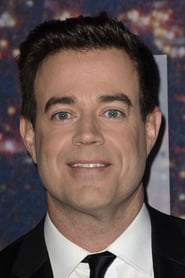
As the performances conclude, the tension builds as the host, Carson Daly, prepares to announce the winner. The coaches express their pride in all the finalists, acknowledging the incredible talent they have witnessed throughout the season. The atmosphere is charged with anticipation, and the audience holds their breath.
Carson finally reveals the winner: Maelyn Jarmon. The crowd erupts in cheers, and Maelyn is visibly overwhelmed with emotion. She embraces her coach, John Legend, who beams with pride. Maelyn's journey has been one of self-discovery, and winning the competition feels like a validation of her hard work and talent.
As the show wraps up, the other finalists join Maelyn on stage, celebrating together. Andrew, Dexter, and Gyth express their admiration for Maelyn, and the camaraderie among the contestants is evident. Each of them has grown throughout the competition, and while only one can win, they all leave with a sense of accomplishment and newfound confidence.
The season concludes with a montage of highlights from the journey, showcasing the growth and transformation of each contestant. The emotional connections formed throughout the season are celebrated, leaving the audience with a sense of hope and inspiration as they reflect on the power of music and the bonds created through shared experiences.
Is there a post-credit scene?
The Voice, Season 16, does not feature a post-credit scene. The season concludes with the final performances and the announcement of the winner, which is a standard format for the show. The focus remains on the competition and the emotional moments shared by the contestants, coaches, and audience during the finale. After the winner is crowned, the show wraps up without any additional scenes or content following the credits.
Who were the standout contestants in Season 16 of The Voice?
Season 16 featured several standout contestants, including Maelyn Jarmon, who ultimately won the season. Other notable contestants included Andrew Sevener, who impressed with his unique voice and style, and Dexter Roberts, who brought a country flair to the competition. Each contestant showcased their individual talents and emotional stories, captivating both the coaches and the audience.
What were some memorable performances from the Battle Rounds?
The Battle Rounds in Season 16 were filled with memorable performances. One standout moment was when Maelyn Jarmon and Rod Stokes performed 'The Climb,' showcasing their vocal prowess and emotional connection to the song. Another notable battle was between Andrew Sevener and Jej Vinson, where they delivered a powerful rendition of 'Take Me to Church,' leaving the coaches in awe of their talent.
How did the coaches' dynamics influence the contestants' journeys?
The dynamics between the coaches--Adam Levine, Blake Shelton, Kelly Clarkson, and John Legend--played a significant role in shaping the contestants' journeys. For instance, Kelly Clarkson's nurturing approach helped many contestants feel confident, while Blake Shelton's playful banter created a light-hearted atmosphere. The rivalry between Adam and Blake often led to humorous exchanges, but it also pushed contestants to perform at their best to win the coaches' favor.
What was the significance of Maelyn Jarmon's final performance?
Maelyn Jarmon's final performance was significant as it encapsulated her journey throughout the competition. She performed 'Hallelujah,' a song that resonated deeply with her personal experiences and showcased her vocal range and emotional depth. This performance not only solidified her status as a frontrunner but also connected with the audience on a profound level, ultimately leading to her victory.
How did the Knockout Rounds impact the competition's outcome?
The Knockout Rounds were pivotal in determining the competition's outcome, as they allowed contestants to showcase their growth and versatility. During this phase, Maelyn Jarmon delivered a stunning performance of 'The Story,' which highlighted her unique artistry and emotional delivery, earning her a spot in the live shows. The intensity of the Knockouts also led to surprising eliminations, as contestants like Jej Vinson and Andrew Sevener fought hard to secure their places in the competition.
Is this family friendly?
"The Voice" Season 16 is generally considered family-friendly, as it focuses on music and talent rather than controversial themes. However, there are a few aspects that might be sensitive for children or those who are more sensitive:
-
Emotional Performances: Contestants often share personal stories that can be deeply emotional, touching on themes of loss, struggle, and perseverance. These stories may evoke strong feelings and could be upsetting for some viewers.
-
Competition Pressure: The competitive nature of the show can create tense moments, as contestants face the possibility of elimination. This pressure can lead to emotional reactions, including tears and disappointment.
-
Judges' Critiques: While the judges are generally supportive, there are moments when they provide constructive criticism that may be difficult for younger viewers to understand or accept.
-
Personal Backstories: Some contestants share challenging life experiences, such as overcoming adversity or dealing with personal hardships, which may be heavy topics for younger audiences.
Overall, while the show promotes positivity and talent, the emotional depth of the performances and personal stories may require parental guidance for younger viewers.