
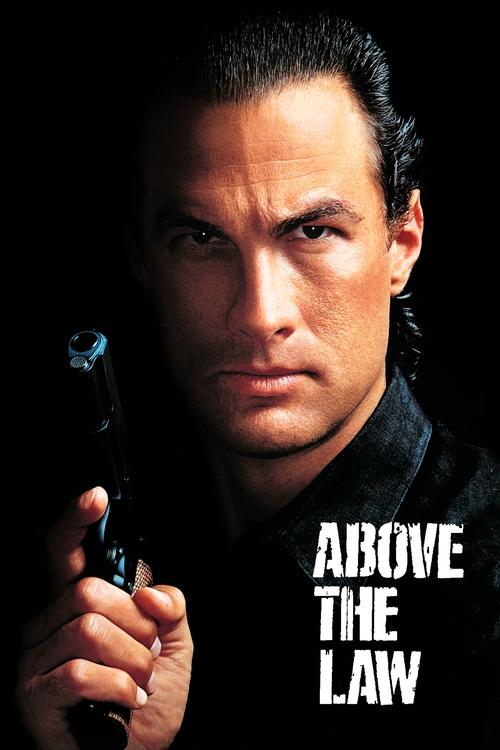


















Popular
What motivates Nico Toscani to investigate the corruption within the police department?
How does Nico's background as a martial artist influence his approach to confronting criminals?
What role does the character of Captain Kwan play in the story?
How does Nico's relationship with his partner, Detective Jacks, evolve throughout the film?
What is the significance of the final confrontation between Nico and the main antagonist, Zagon?
Should I watch it?
Ask Your Own Question

What is the plot?
Sorry, we aren't able to watch and write up a full detailed plot yet. Check back in a few days.


What is the ending?
In the ending of "Above the Law," Nico Toscani confronts the corrupt officials involved in a drug trafficking operation. After a series of intense confrontations, he manages to expose the truth, leading to a climactic showdown. Ultimately, he prevails, but not without personal sacrifice and loss.
As the film approaches its climax, the tension escalates. Nico Toscani, played by Steven Seagal, has been on a relentless quest to uncover the truth behind a drug trafficking operation that involves high-ranking officials. The stakes are high, and the danger is palpable as he navigates a world filled with betrayal and corruption.
Scene by scene, the narrative unfolds:
Nico, having gathered enough evidence, prepares for a final confrontation. He is fueled by a mix of determination and anger, knowing that the lives of many depend on his actions. The scene shifts to a dimly lit warehouse where the drug deal is set to take place. The atmosphere is thick with anticipation, and Nico's heart races as he enters, fully aware of the risks involved.
Inside the warehouse, he spots the key players: corrupt police officers and drug lords, all gathered for the exchange. Nico's internal conflict is evident; he is torn between his duty as a law enforcement officer and his desire for justice. He knows that exposing these criminals could lead to his own demise, yet he feels an overwhelming responsibility to act.
As the deal unfolds, tension mounts. Nico stealthily maneuvers through the shadows, observing the exchange. Suddenly, a confrontation erupts when he reveals himself, brandishing his weapon. The room erupts into chaos as gunfire breaks out. Nico's training and instincts kick in, and he fights with precision and skill, taking down several adversaries.
In the midst of the chaos, Nico's partner, Jacks, played by Pam Grier, arrives to back him up. Their camaraderie is palpable, and they work together seamlessly, showcasing their trust and shared commitment to justice. However, the situation becomes dire when they are outnumbered, and Jacks is injured in the crossfire. Nico's emotional state shifts from determination to desperation as he fights to protect his partner.
As the battle rages on, Nico confronts the main antagonist, a corrupt official involved in the drug operation. Their confrontation is intense, filled with personal stakes. Nico's motivations are clear; he is not just fighting for himself but for the integrity of the law and the safety of the community. The fight culminates in a brutal showdown, where Nico's skills are put to the ultimate test.
In the end, Nico emerges victorious, having taken down the corrupt officials and dismantled the drug operation. However, the victory is bittersweet. Jacks, despite her bravery, succumbs to her injuries, leaving Nico devastated. The emotional weight of the loss hangs heavy on him, highlighting the personal sacrifices made in the pursuit of justice.
As the dust settles, Nico stands amidst the wreckage, reflecting on the cost of his actions. He has exposed the truth, but at a great personal price. The film closes with him walking away from the scene, a lone figure against the backdrop of a city that remains fraught with corruption. His fate is uncertain, but his resolve to fight for justice endures, leaving the audience with a sense of both closure and lingering questions about the ongoing battle against corruption.
Is there a post-credit scene?
The movie "Above the Law," produced in 1988, does not have a post-credit scene. The film concludes with the resolution of the main conflict, focusing on the protagonist, Nico Toscani, played by Steven Seagal, as he confronts the corrupt officials involved in drug trafficking and human rights violations. The ending wraps up the story without any additional scenes or hints at future developments after the credits roll.
What motivates Nico Toscani to investigate the corruption within the police department?
Nico Toscani, played by Steven Seagal, is driven by a deep sense of justice and personal integrity. As a former CIA operative and a martial artist, he feels a strong responsibility to protect the innocent and uphold the law. His investigation into the corruption is further fueled by his personal experiences, including the loss of his friend and the realization that the very system he serves is compromised.
How does Nico's background as a martial artist influence his approach to confronting criminals?
Nico's extensive training in martial arts shapes his entire approach to conflict. He uses his skills not just for physical confrontations but also to instill fear in those who exploit their power. His calm demeanor and confidence in his abilities allow him to navigate dangerous situations with a strategic mindset, often preferring to confront adversaries directly rather than relying solely on weapons.
What role does the character of Captain Kwan play in the story?
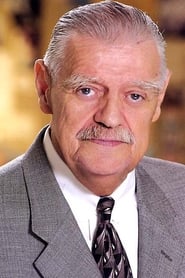
Captain Kwan, portrayed by James D. W. W. Wong, serves as a foil to Nico Toscani. He represents the corrupt elements within the police force, often clashing with Nico's ideals. Kwan's character embodies the systemic issues that Nico is fighting against, and their interactions highlight the tension between loyalty to the badge and the pursuit of justice.
How does Nico's relationship with his partner, Detective Jacks, evolve throughout the film?
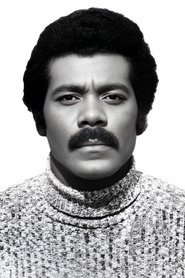
Nico's relationship with Detective Jacks, played by Henry Silva, begins with camaraderie and mutual respect, but it becomes strained as the investigation deepens. Jacks initially supports Nico's quest for justice, but as the dangers escalate and the corruption is revealed, Jacks faces a moral dilemma that tests their partnership. This evolution showcases the complexities of loyalty and the impact of corruption on personal relationships.
What is the significance of the final confrontation between Nico and the main antagonist, Zagon?
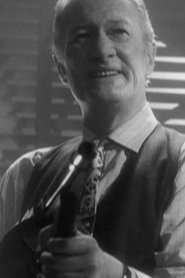
The final confrontation between Nico and Zagon, played by William Forsythe, is a culmination of the film's tension and themes of justice versus corruption. It is not just a physical battle but also a clash of ideologies. Nico's determination to bring Zagon to justice represents his unwavering commitment to his principles, while Zagon embodies the ruthless nature of unchecked power. This showdown is emotionally charged, highlighting Nico's personal stakes and the lengths he will go to protect the innocent.
Is this family friendly?
"Above the Law," produced in 1988, is not considered family-friendly due to several potentially objectionable elements. Here are some aspects that might be upsetting for children or sensitive viewers:
-
Violence: The film features numerous scenes of intense violence, including hand-to-hand combat, gunfights, and brutal confrontations. The action sequences are graphic and may be disturbing.
-
Language: There is frequent use of strong language throughout the film, including profanity that may not be suitable for younger audiences.
-
Themes of Corruption: The storyline delves into themes of police corruption, drug trafficking, and moral ambiguity, which may be complex and unsettling for younger viewers.
-
Death and Injury: Characters experience serious injuries and death, which are depicted in a realistic manner, potentially causing distress.
-
Drug Use: The film includes references to drug use and trafficking, which may not be appropriate for children.
-
Sexual Content: There are scenes that imply sexual situations and suggestive content, which may be inappropriate for younger audiences.
These elements contribute to the film's rating and overall suitability for family viewing.








